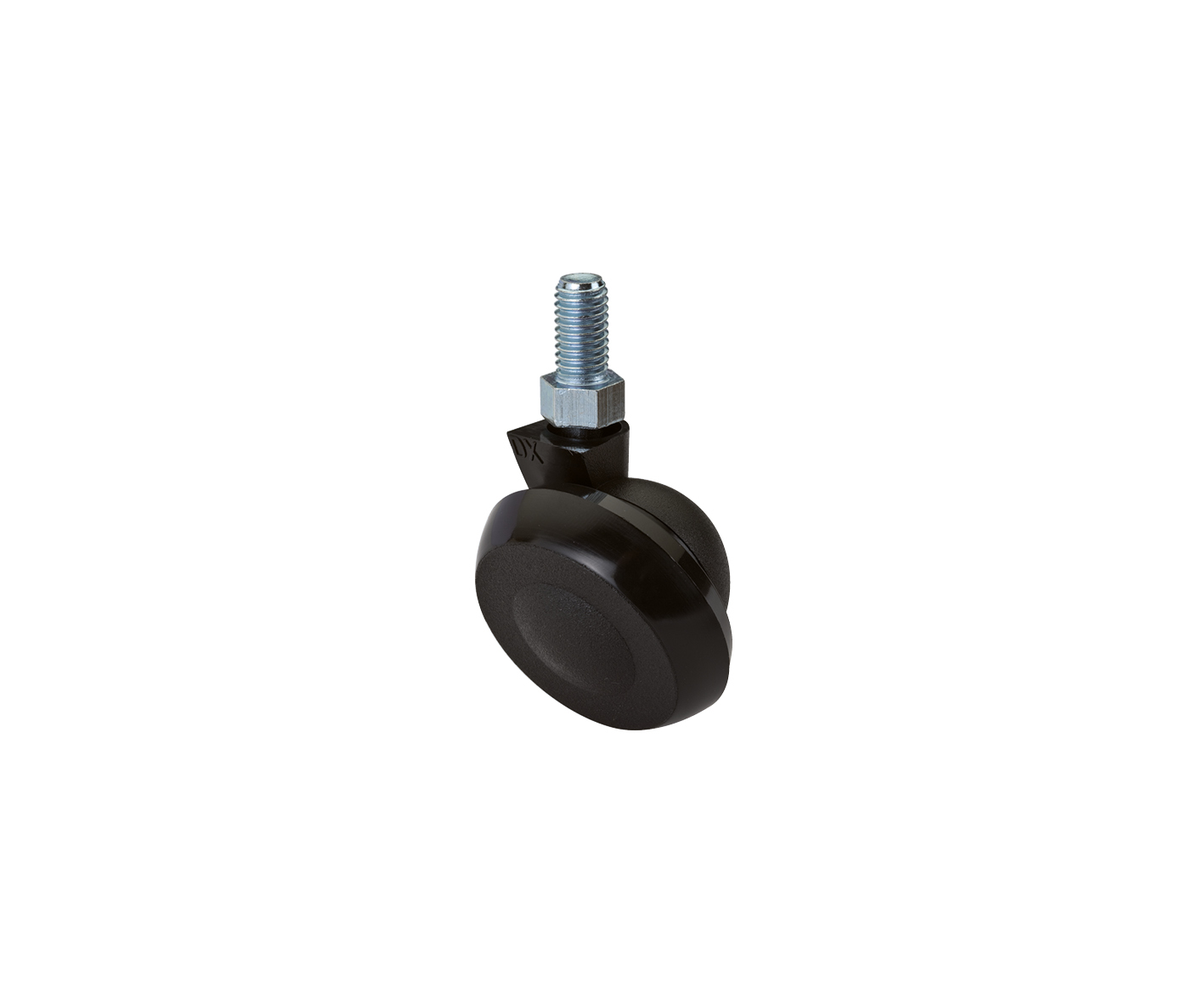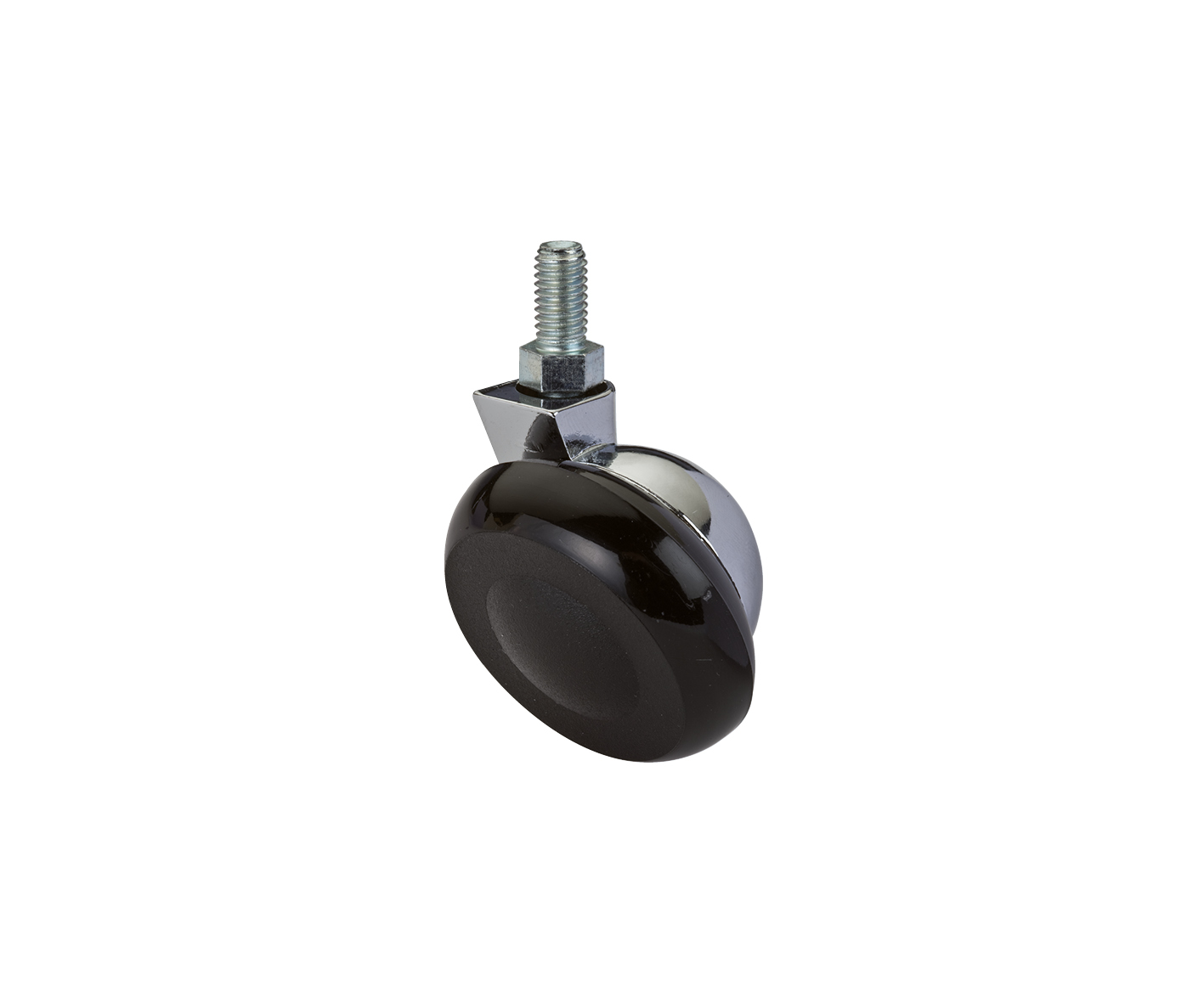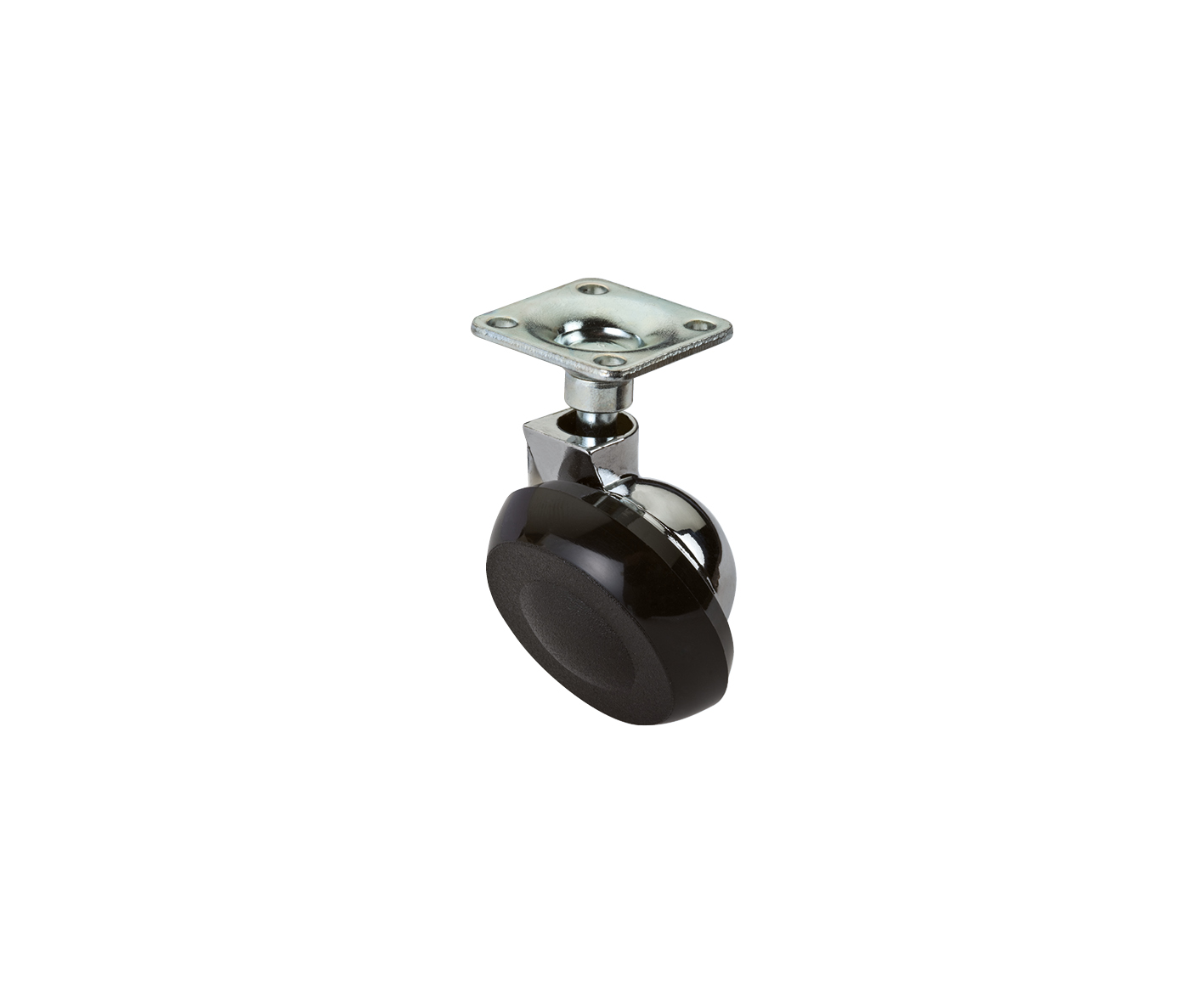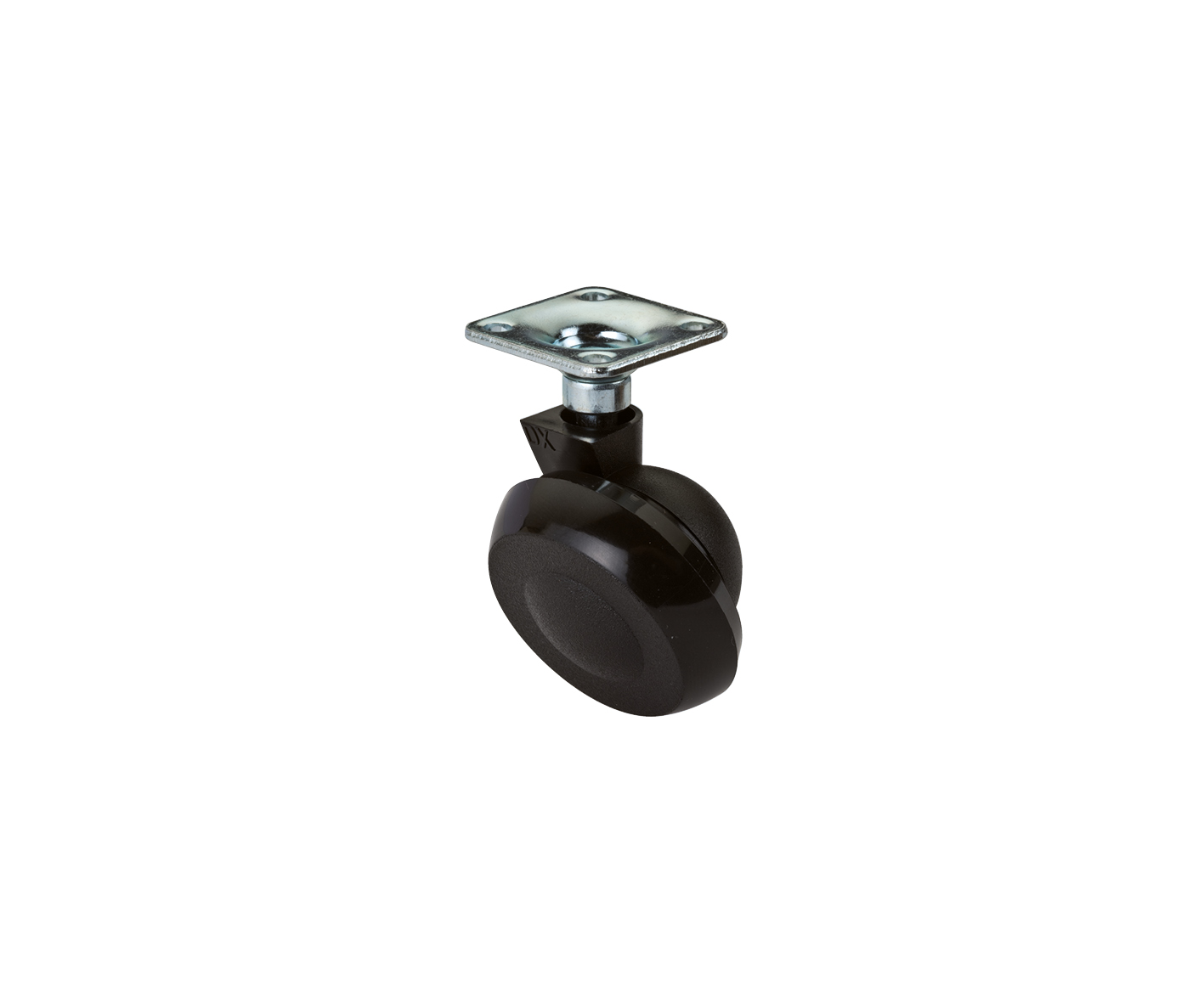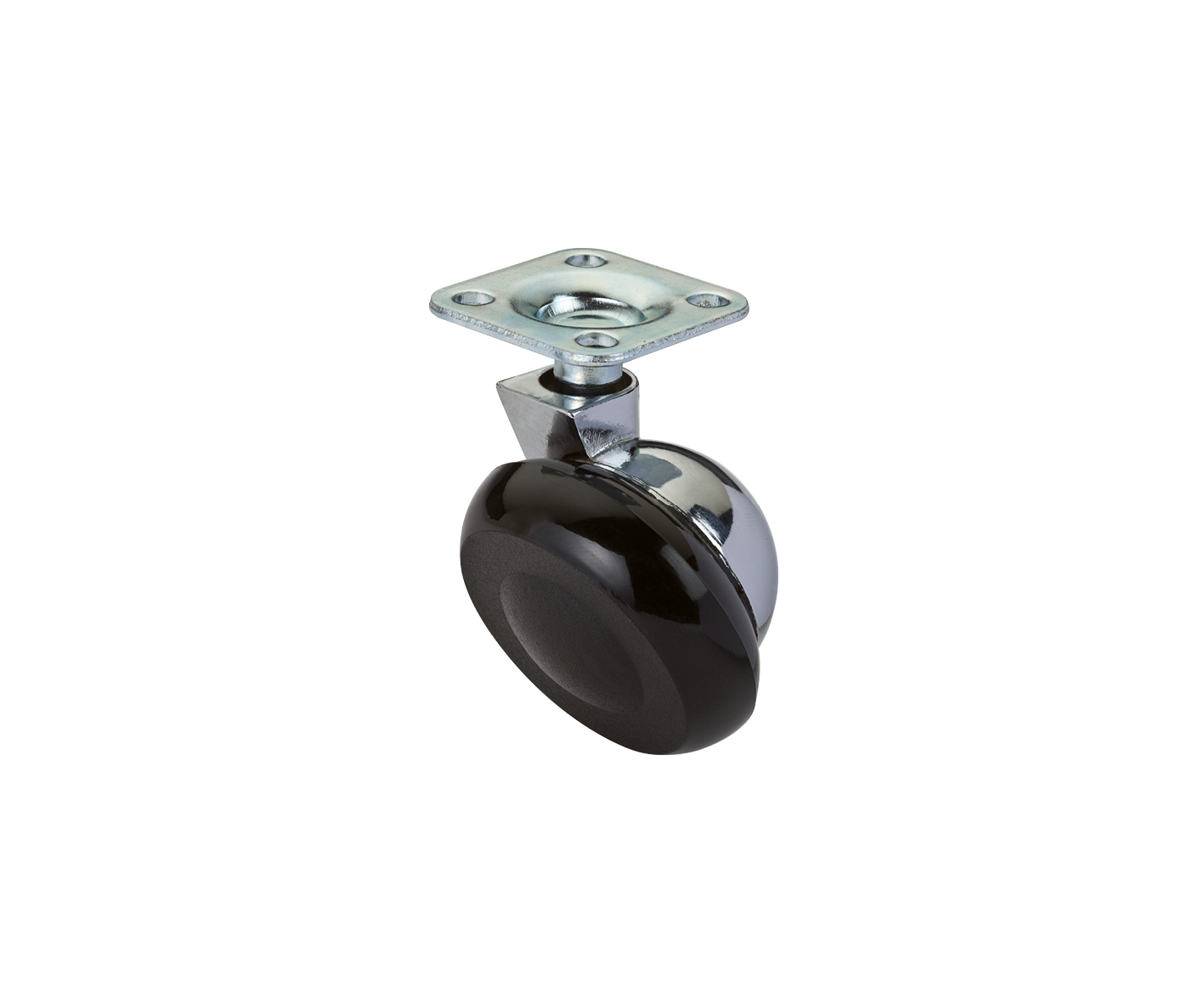
Castors

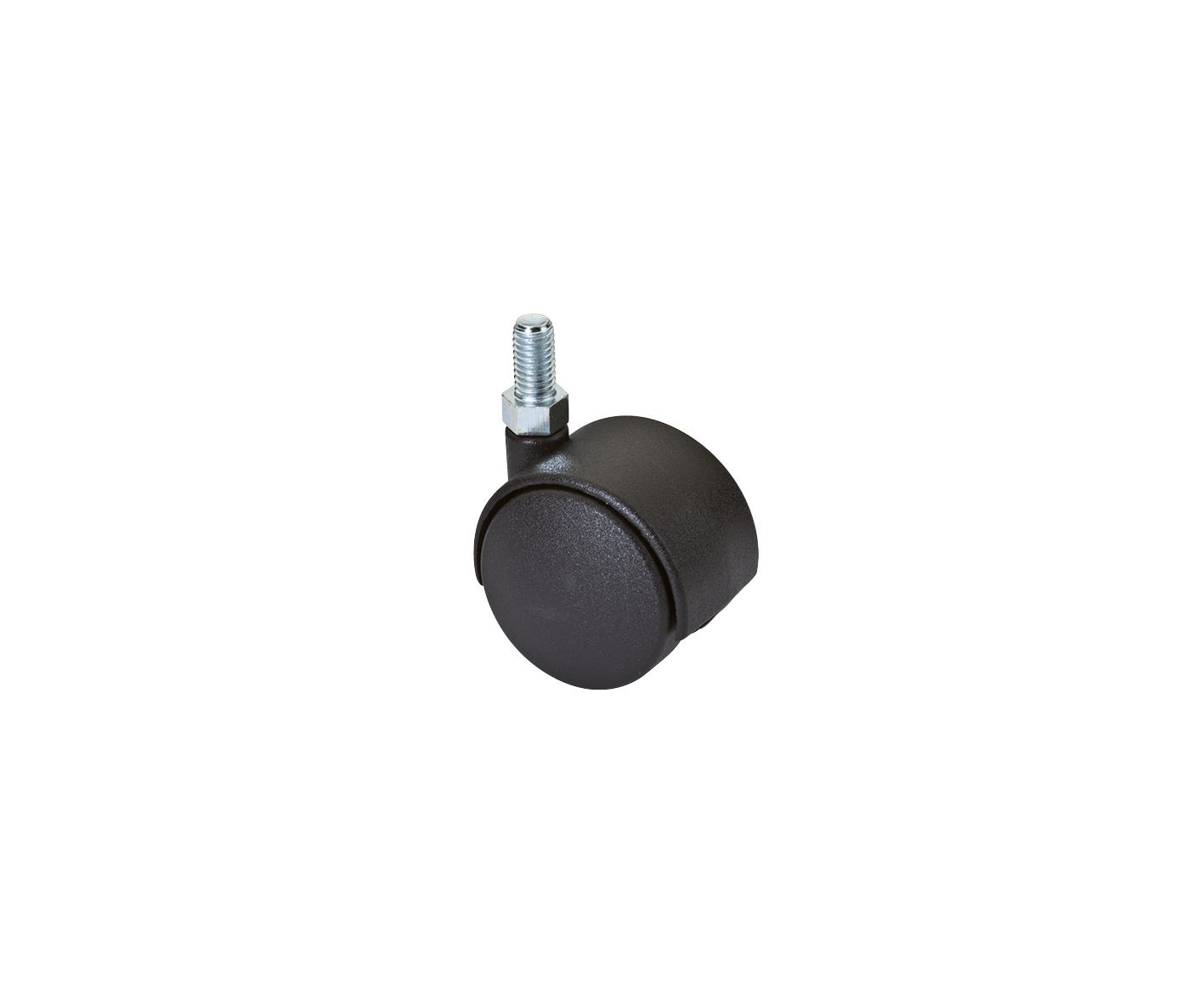
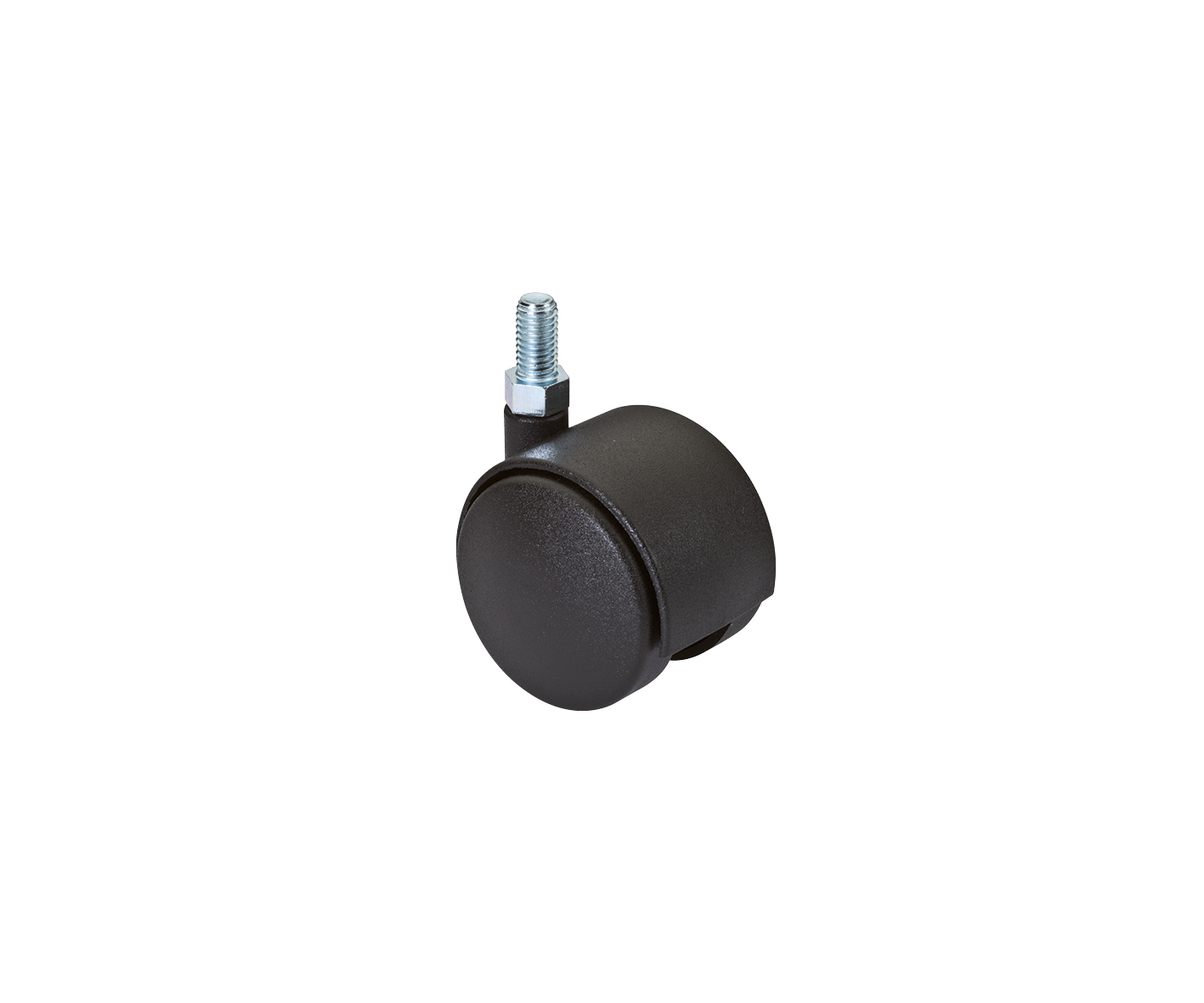
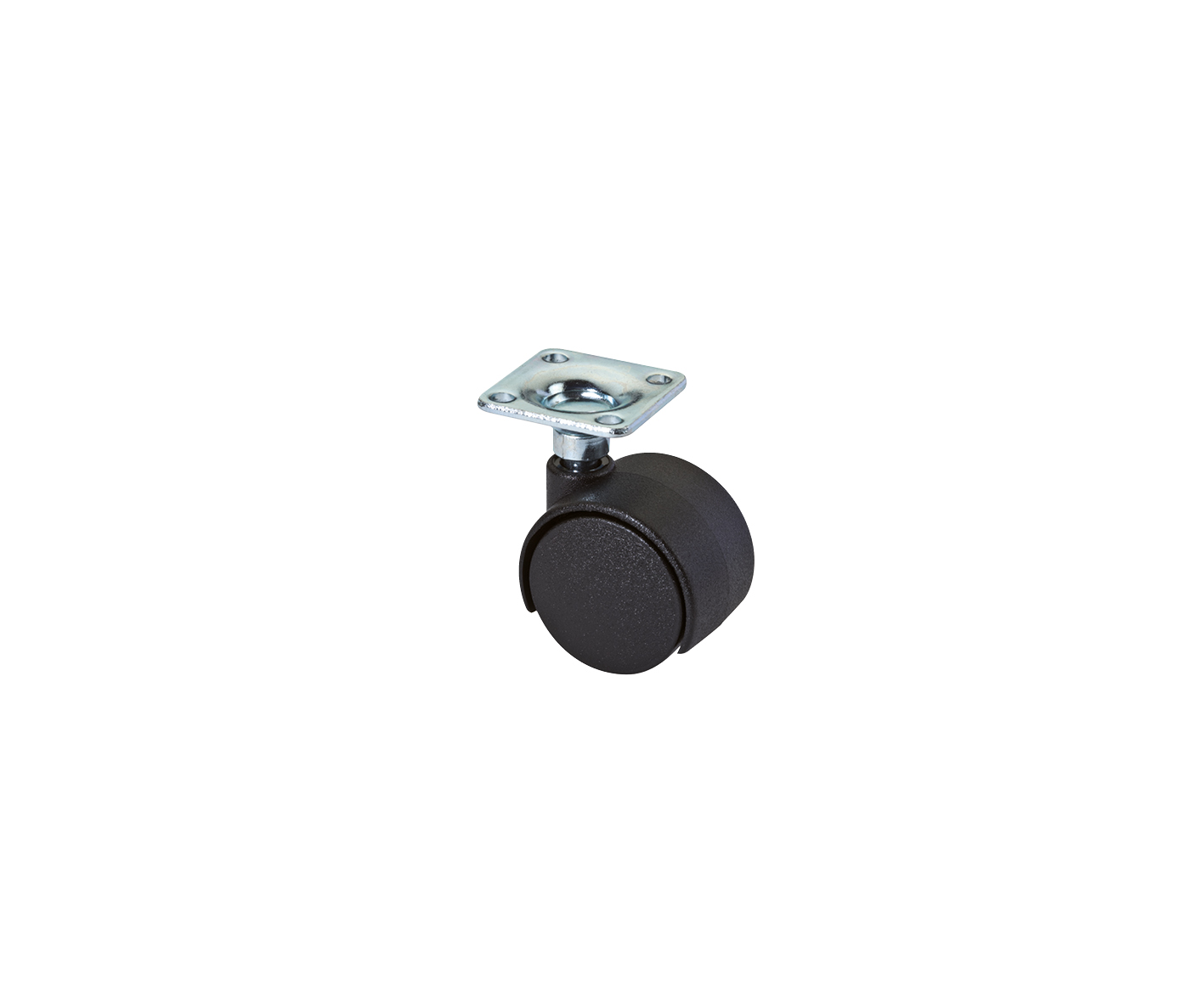
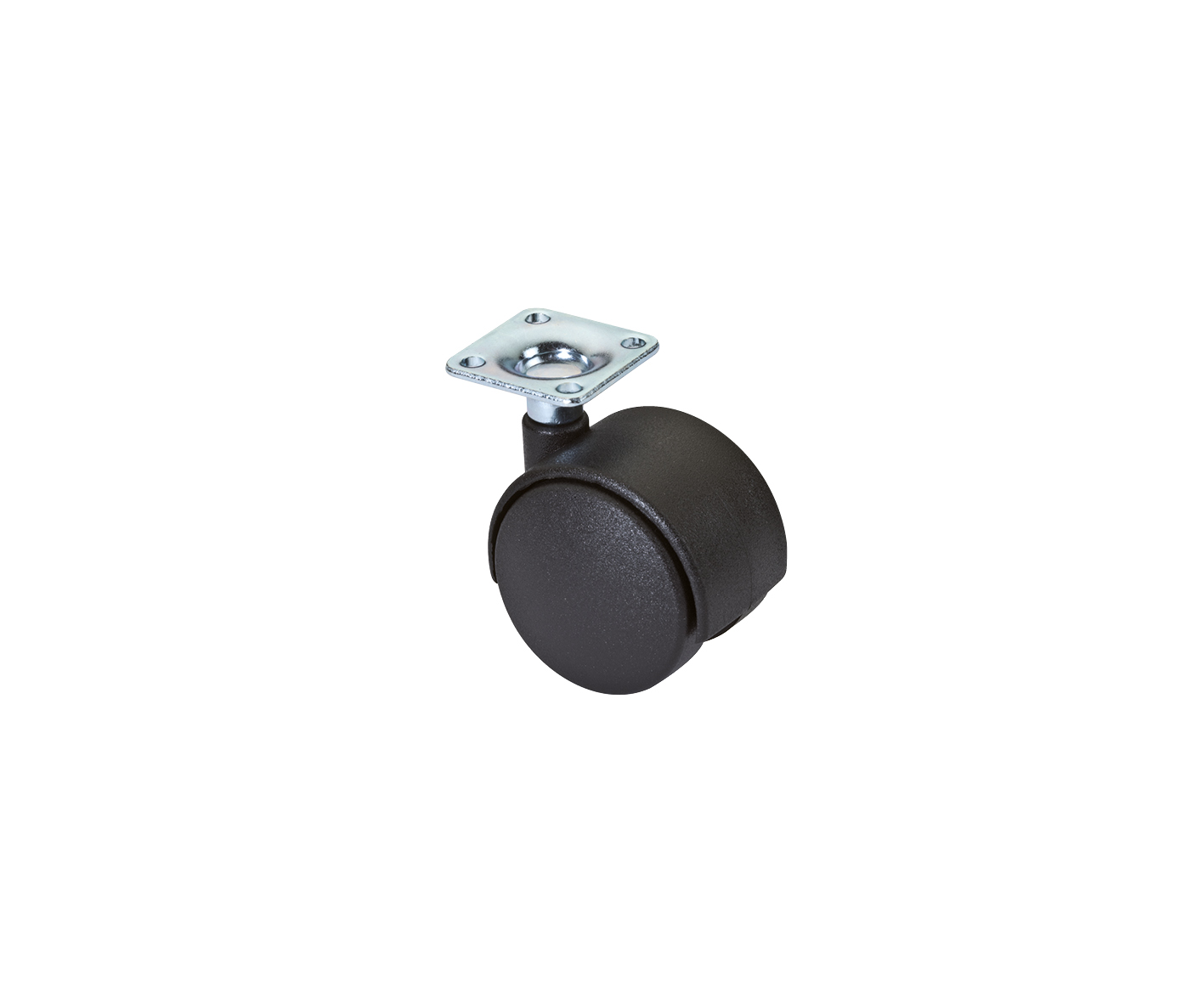
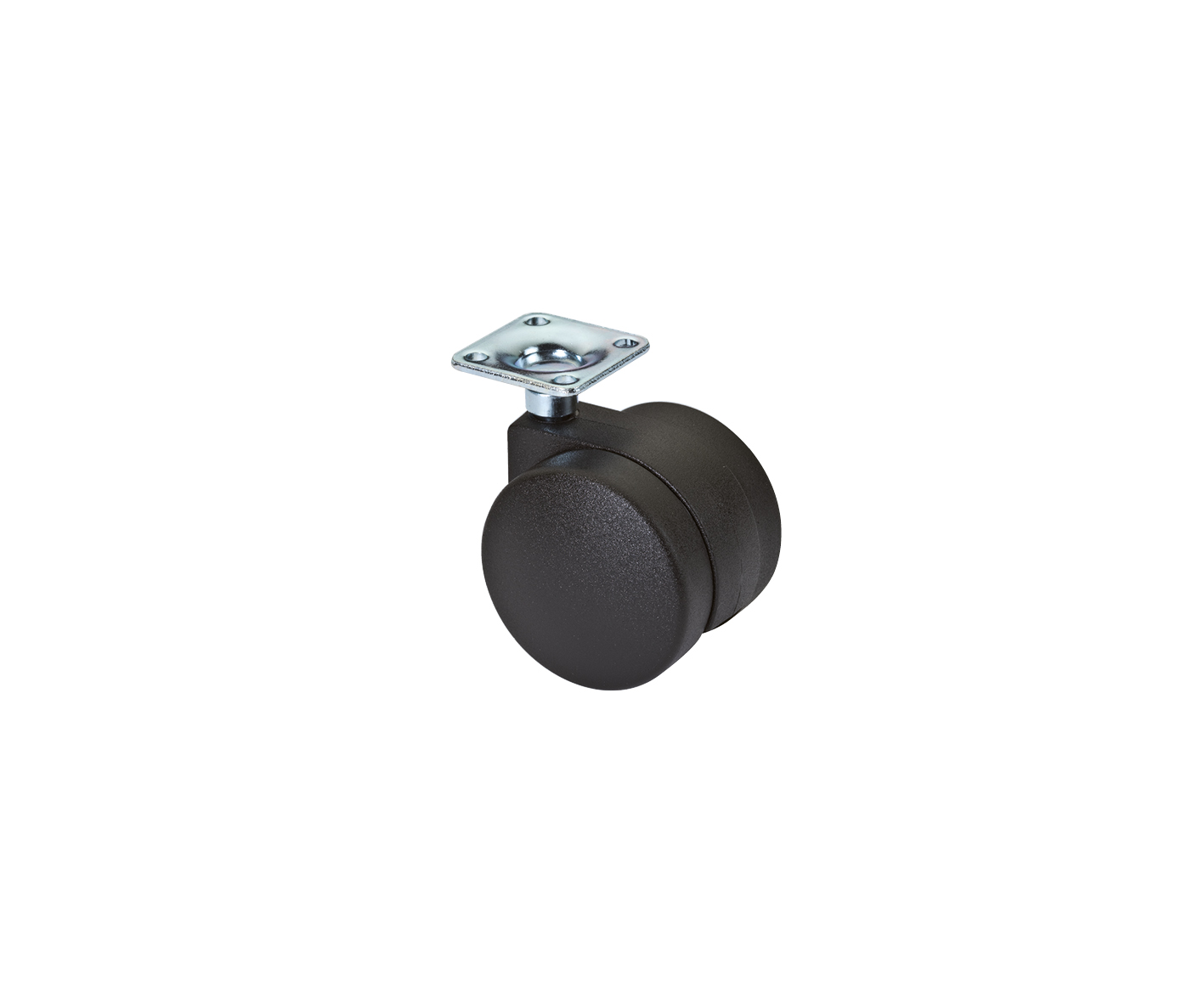
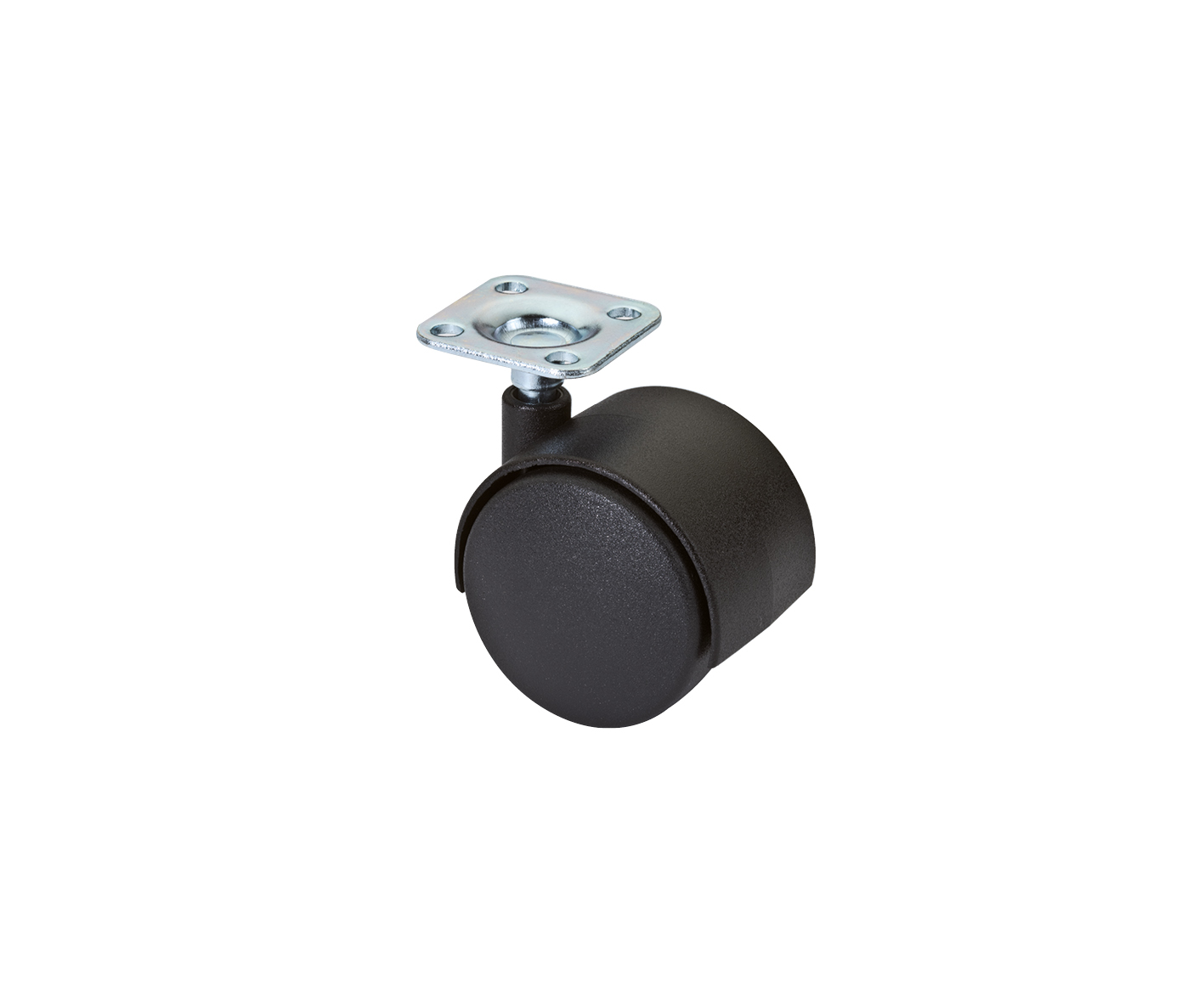
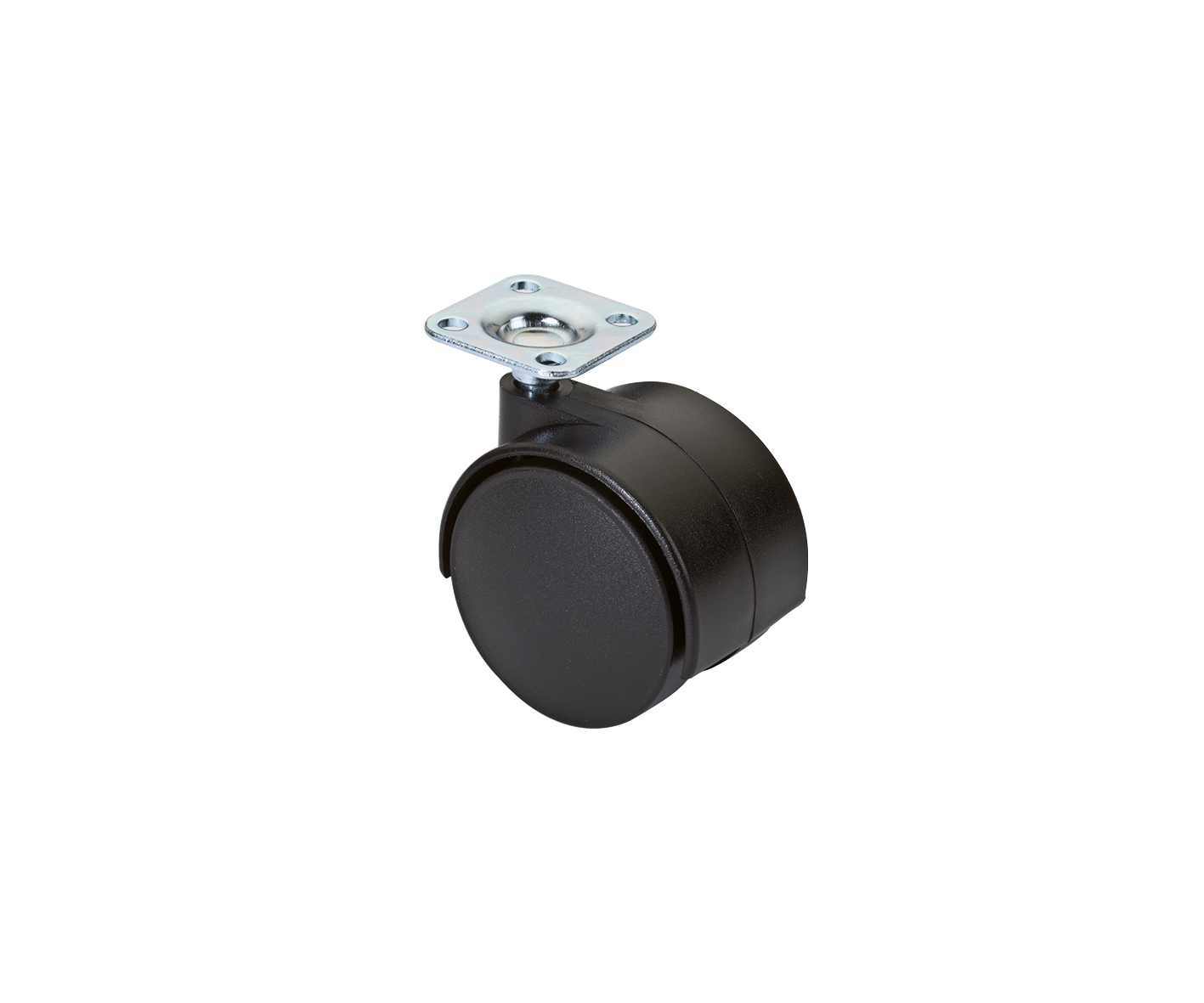
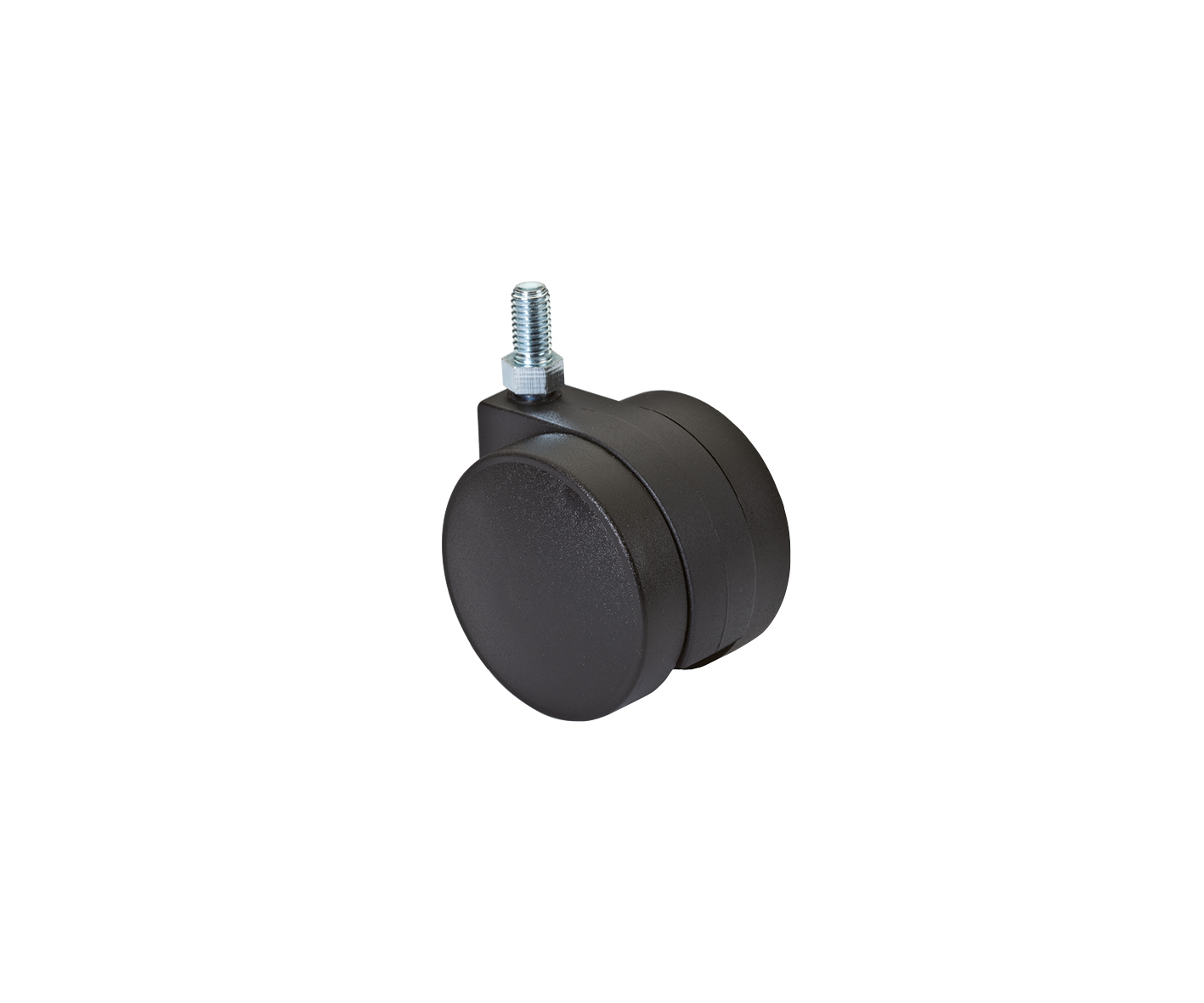
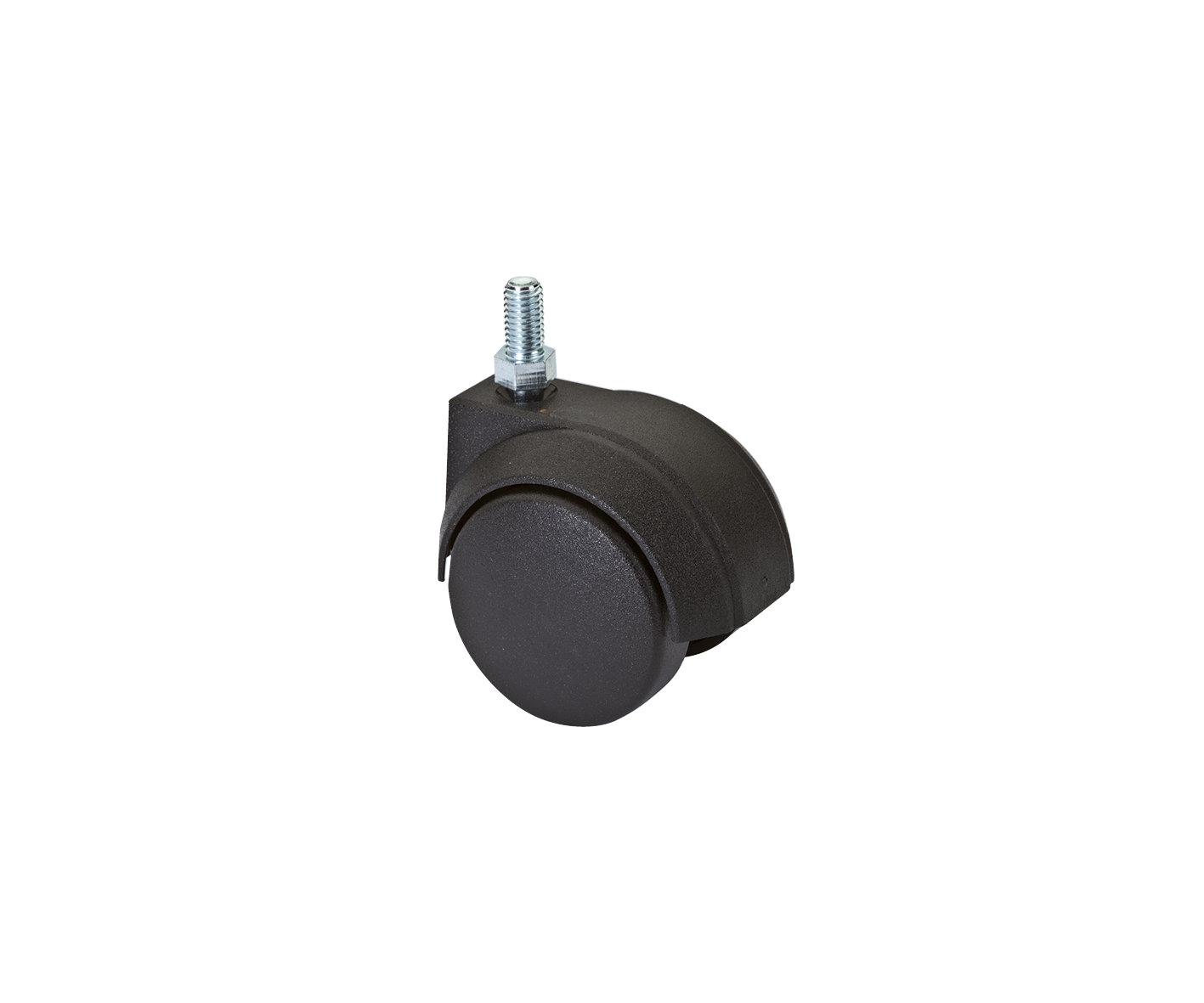
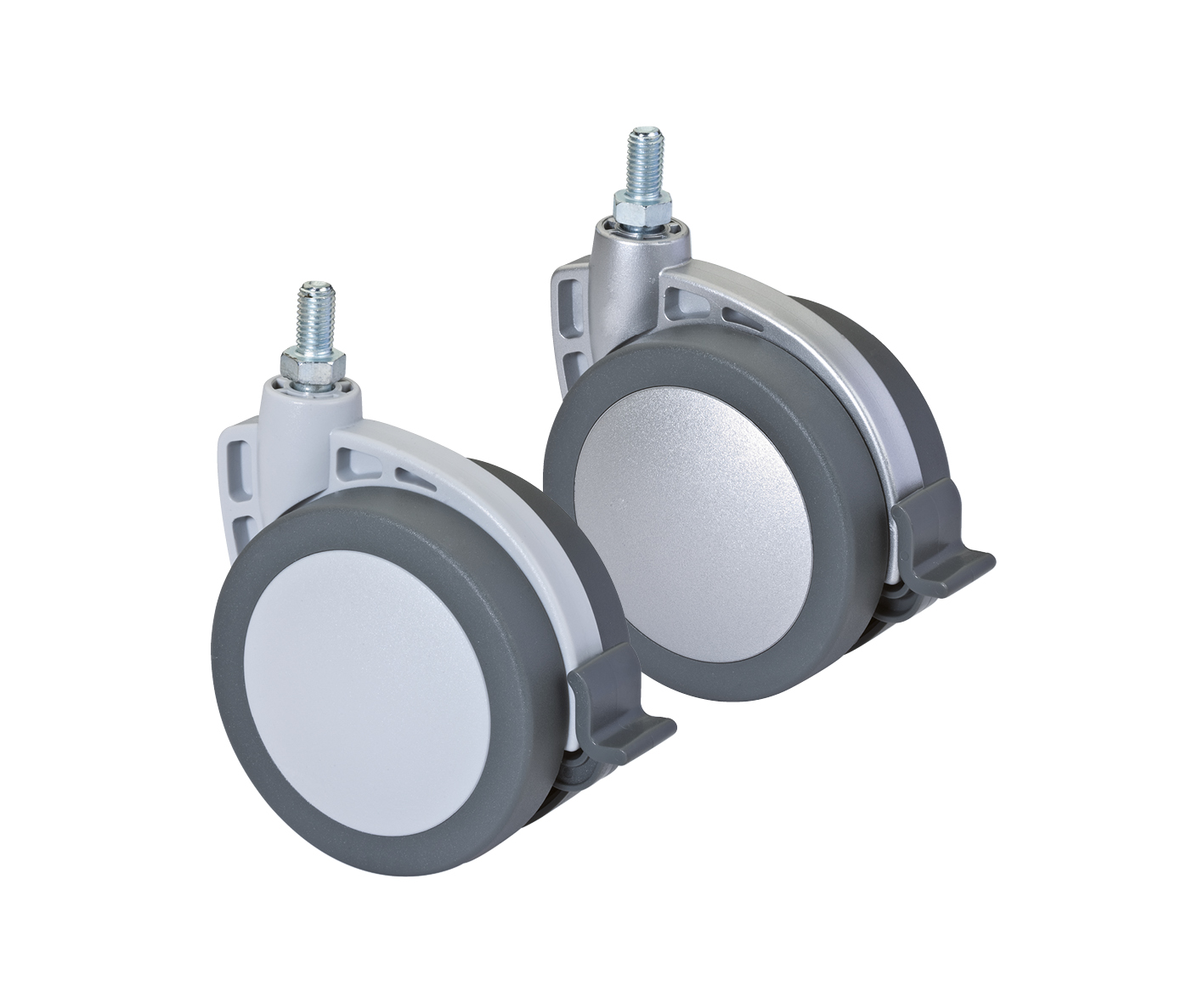
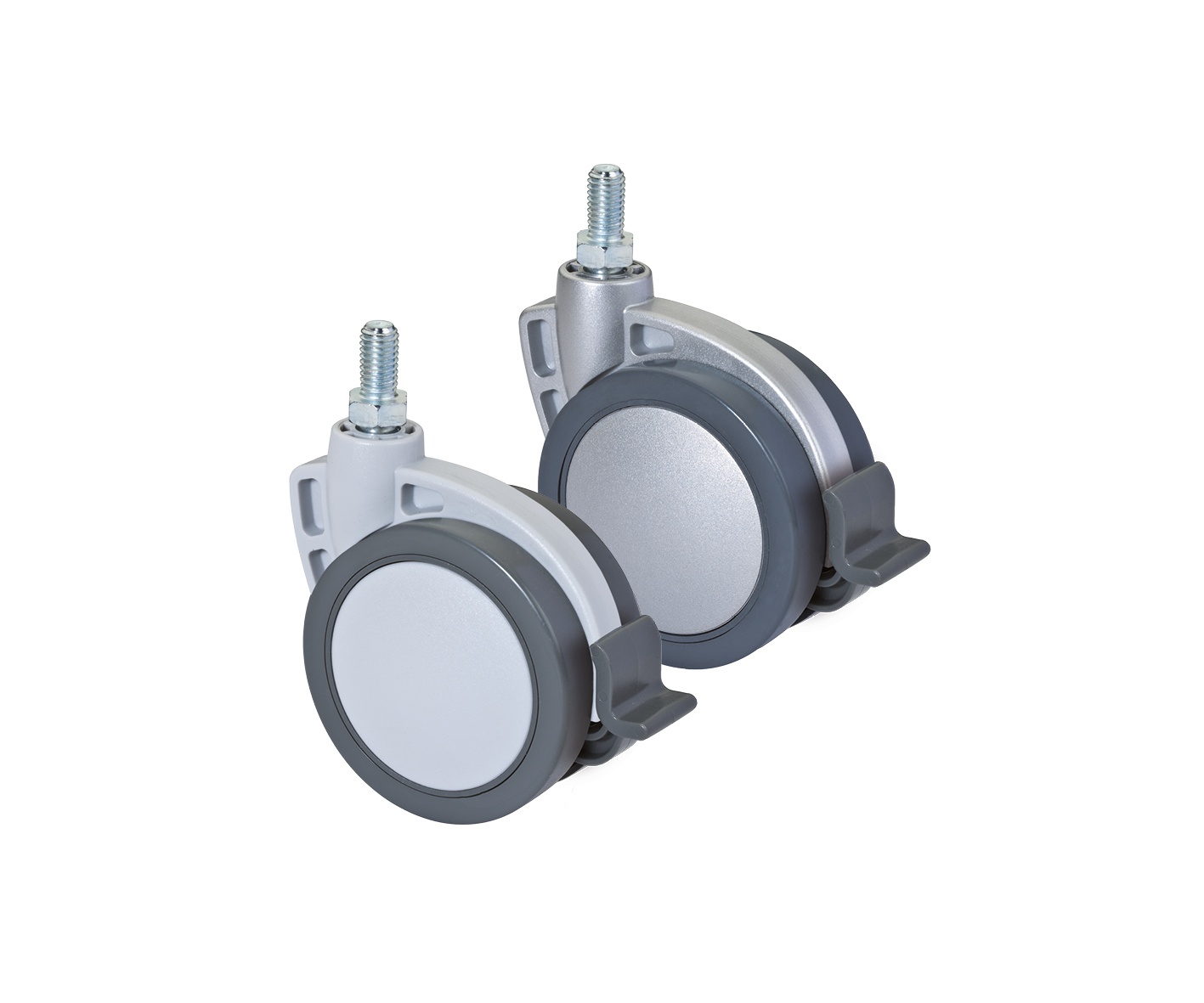
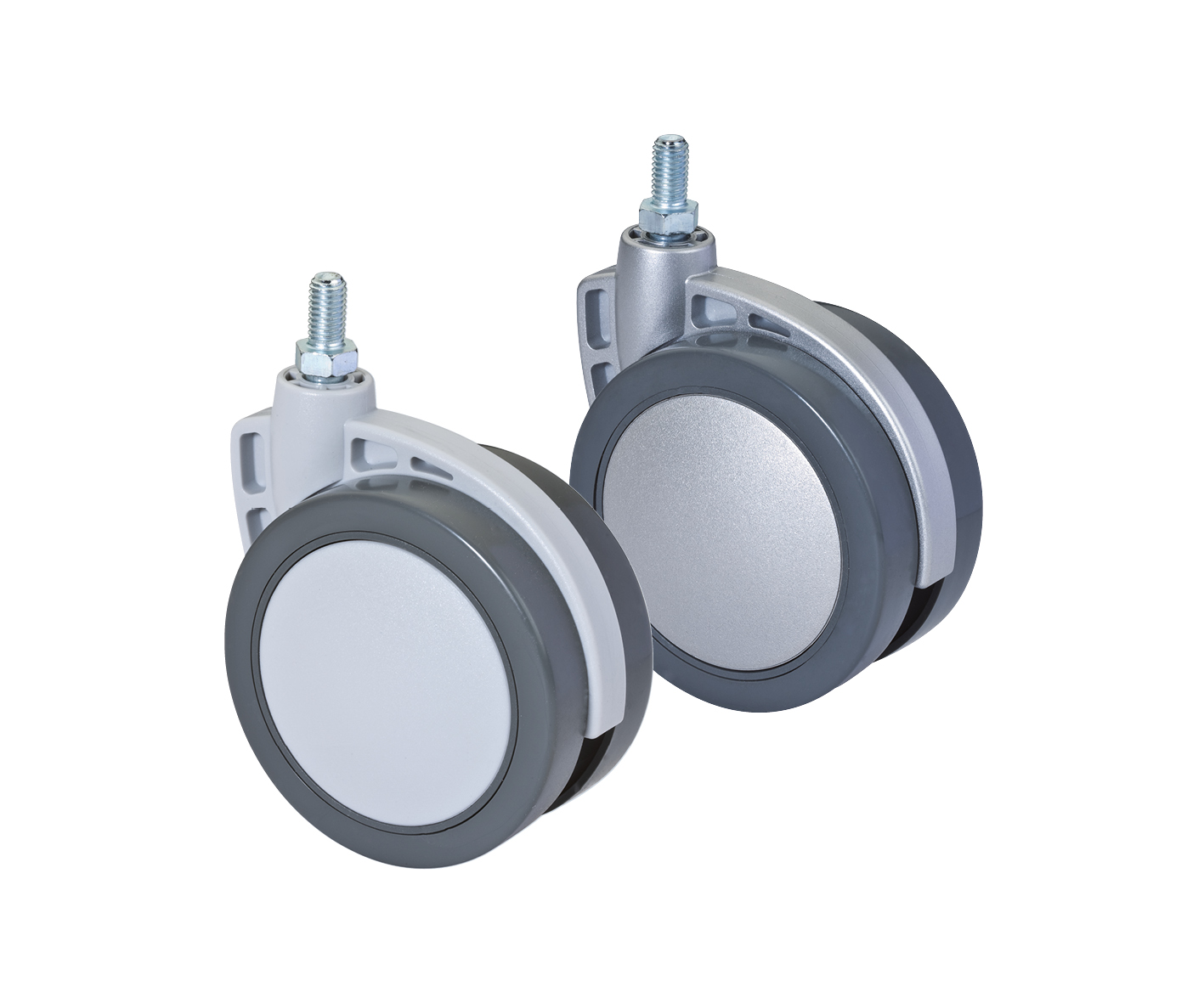
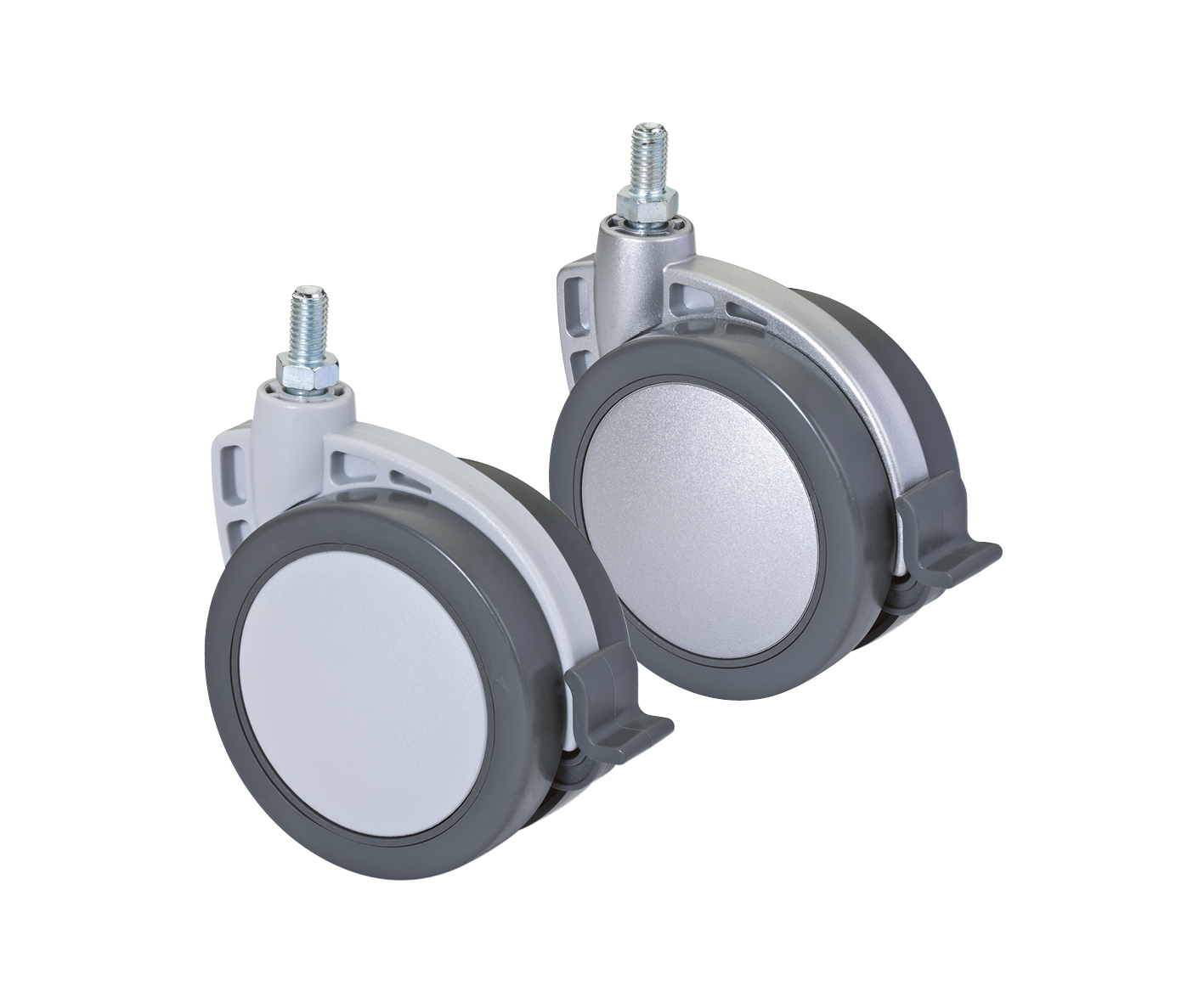
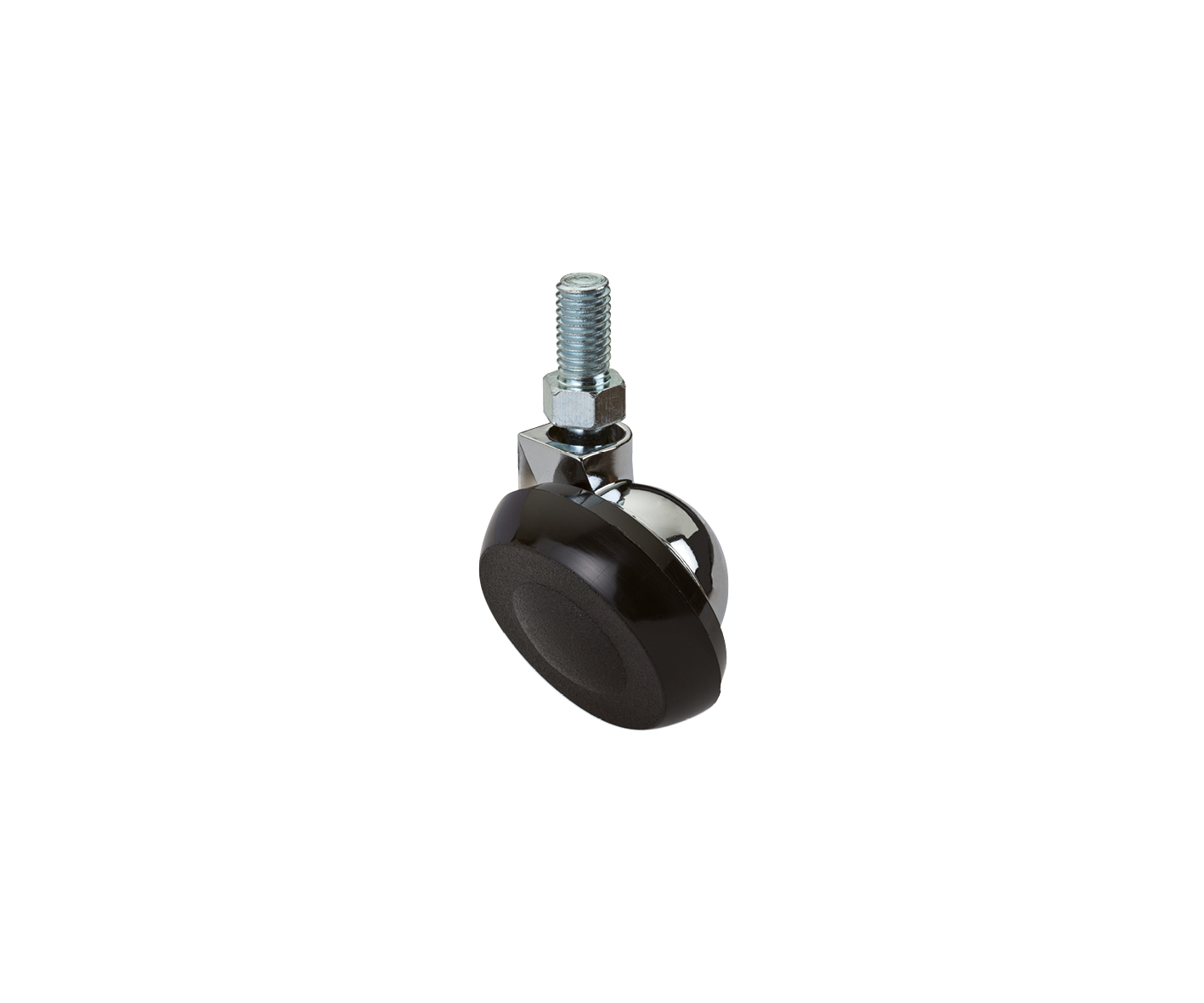
Furniture castors are technical components designed to ensure smooth, safe, and controlled movement of furniture, cabinets, trolleys, chairs, drawers, workbenches, and professional furniture.
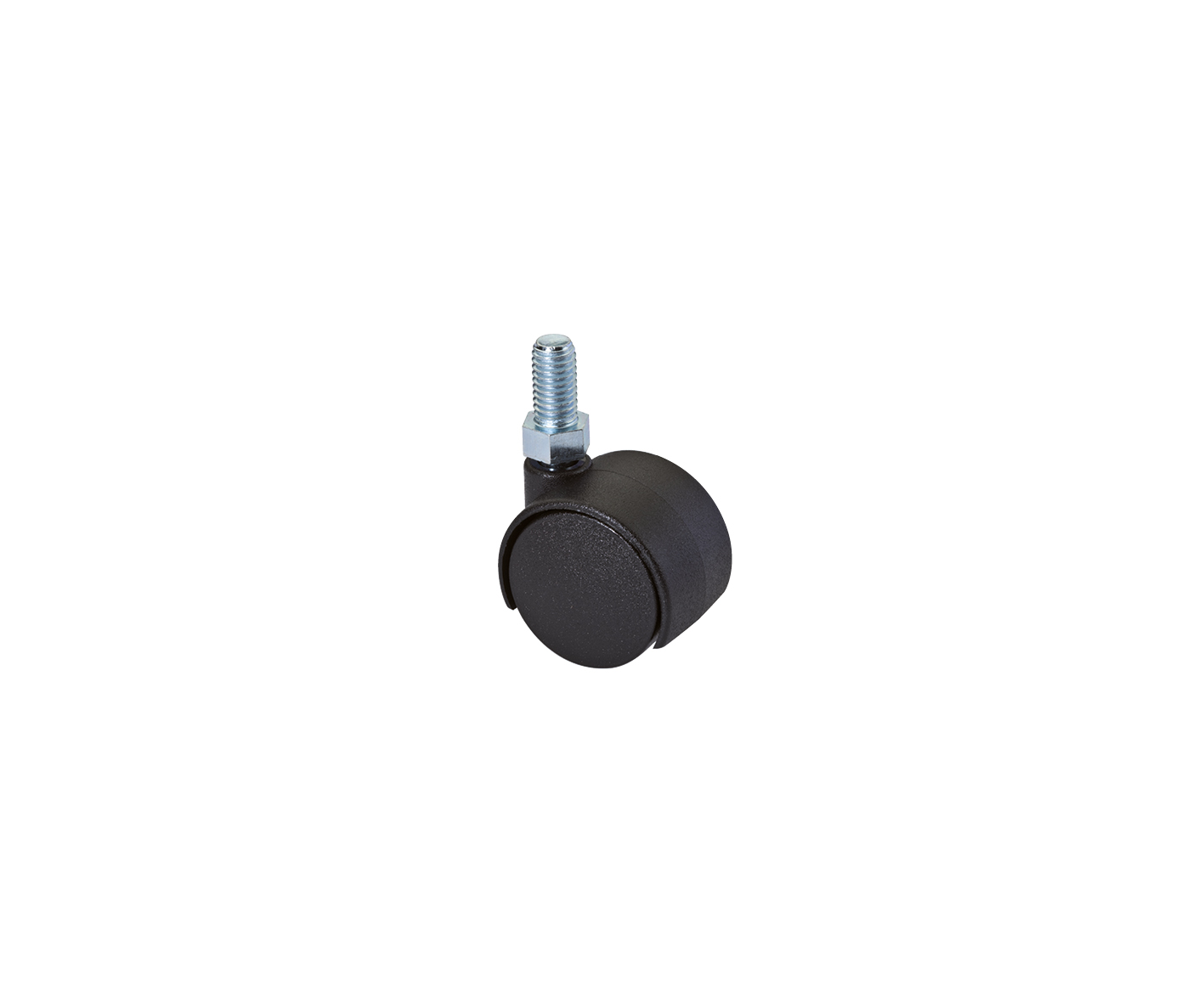
They improve ergonomics, functionality, and mobility across a variety of applications.

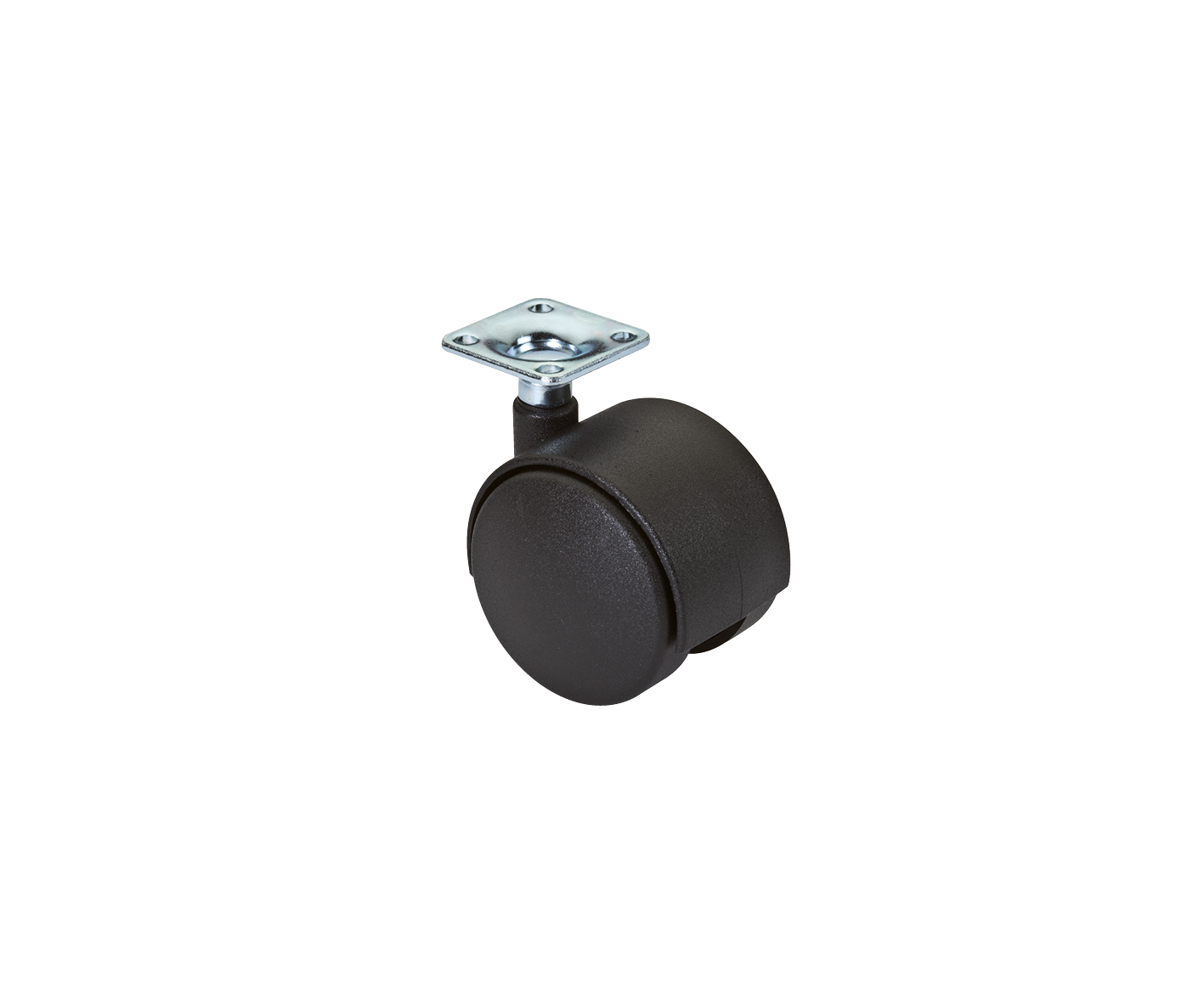
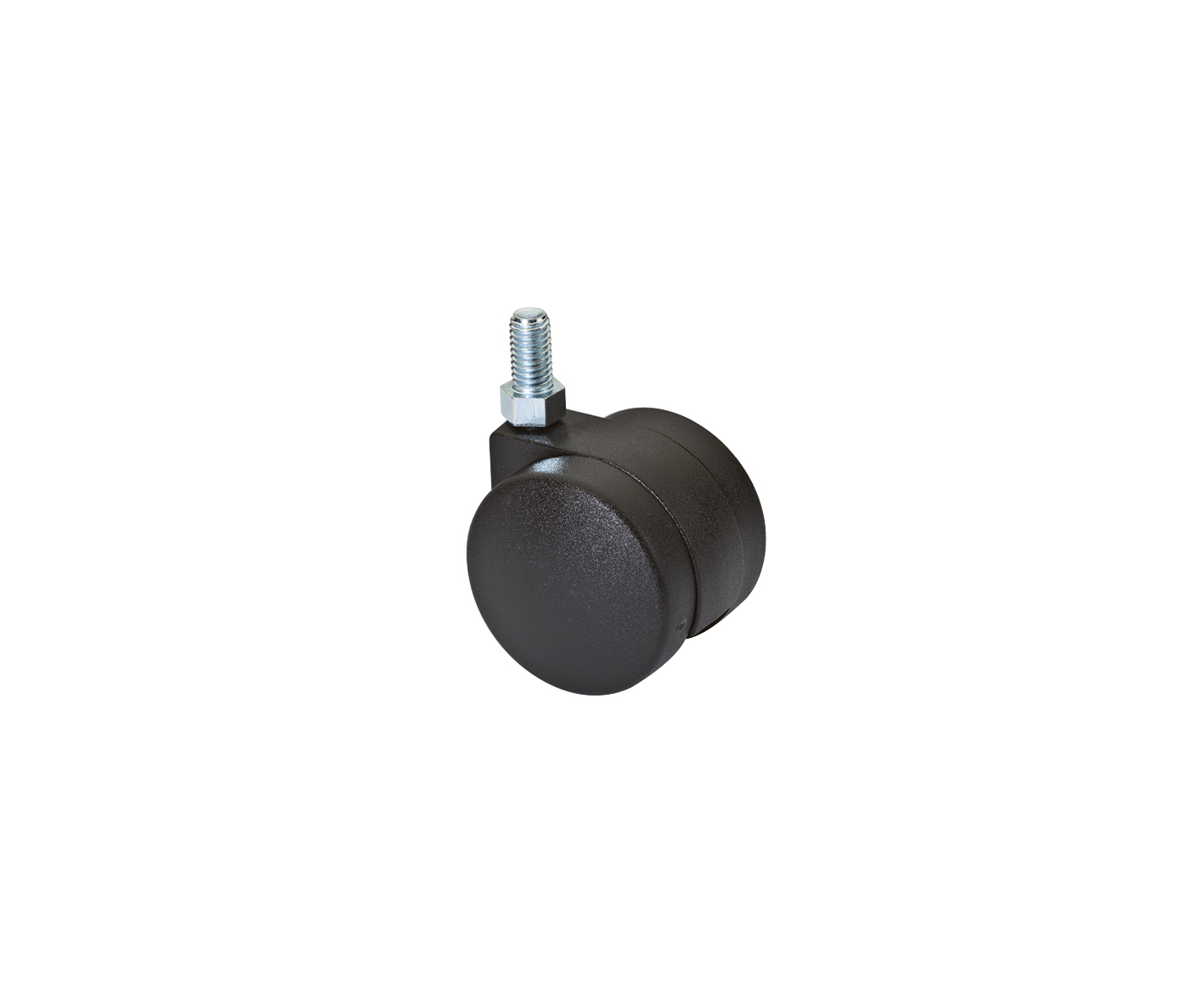
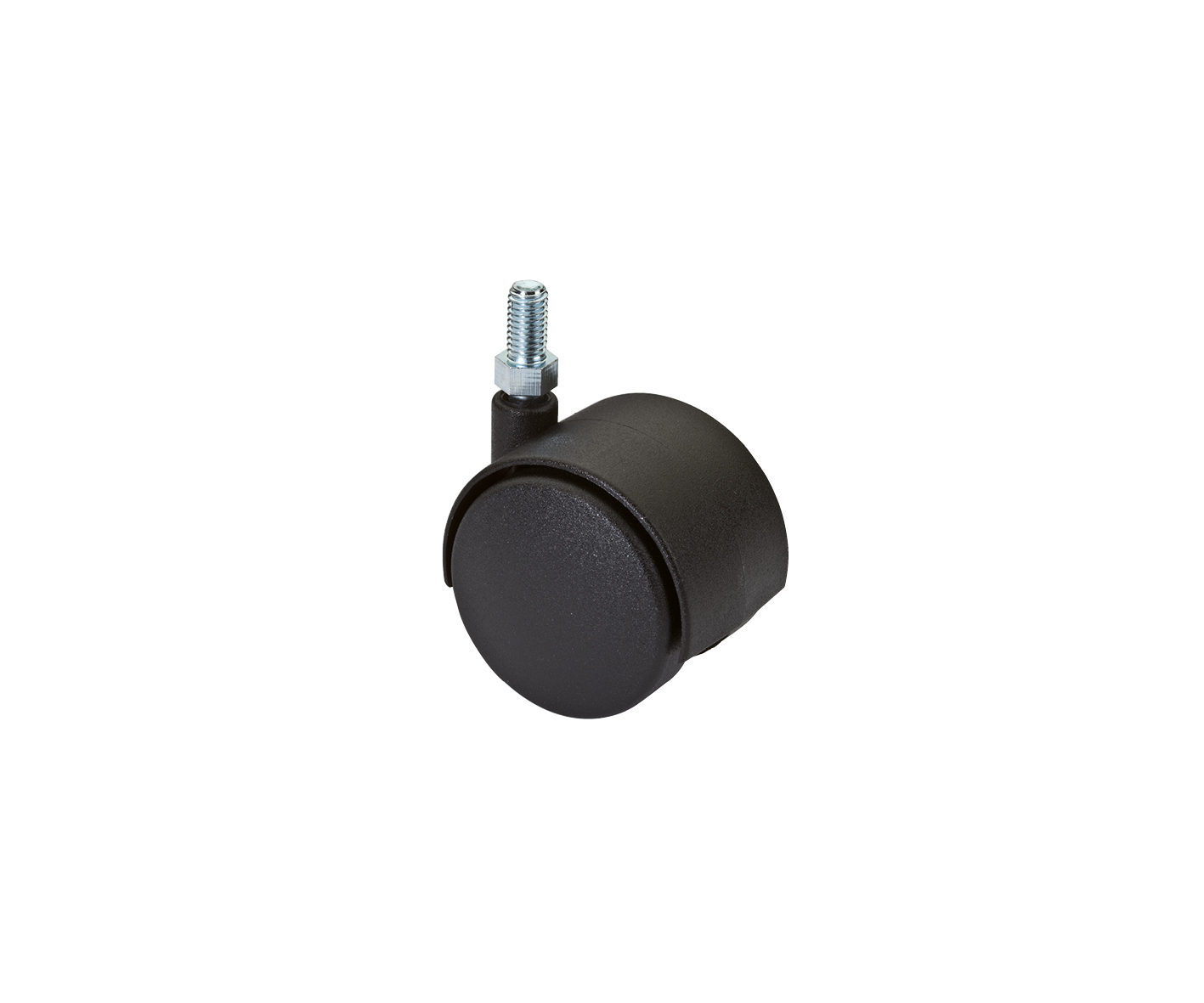
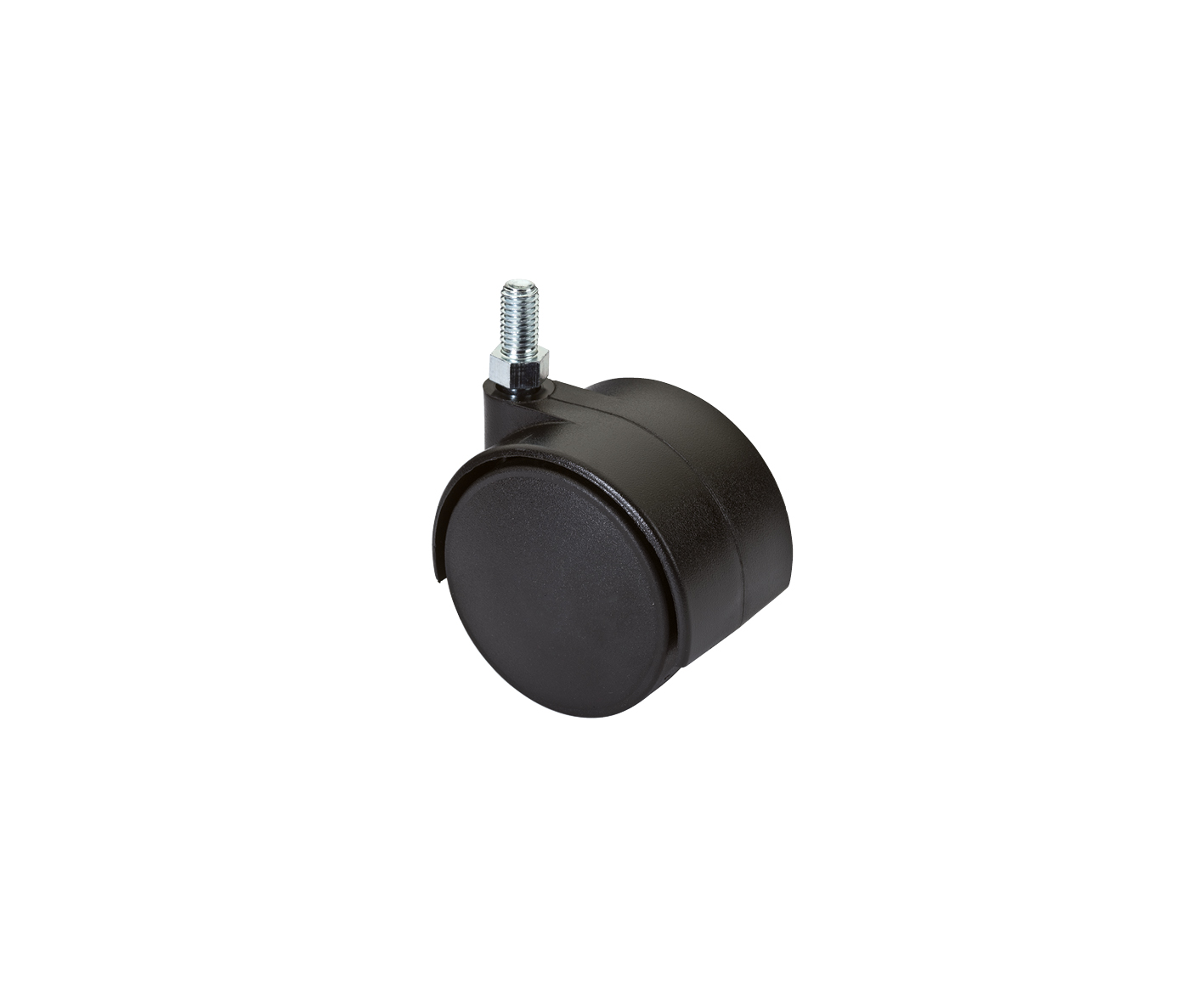
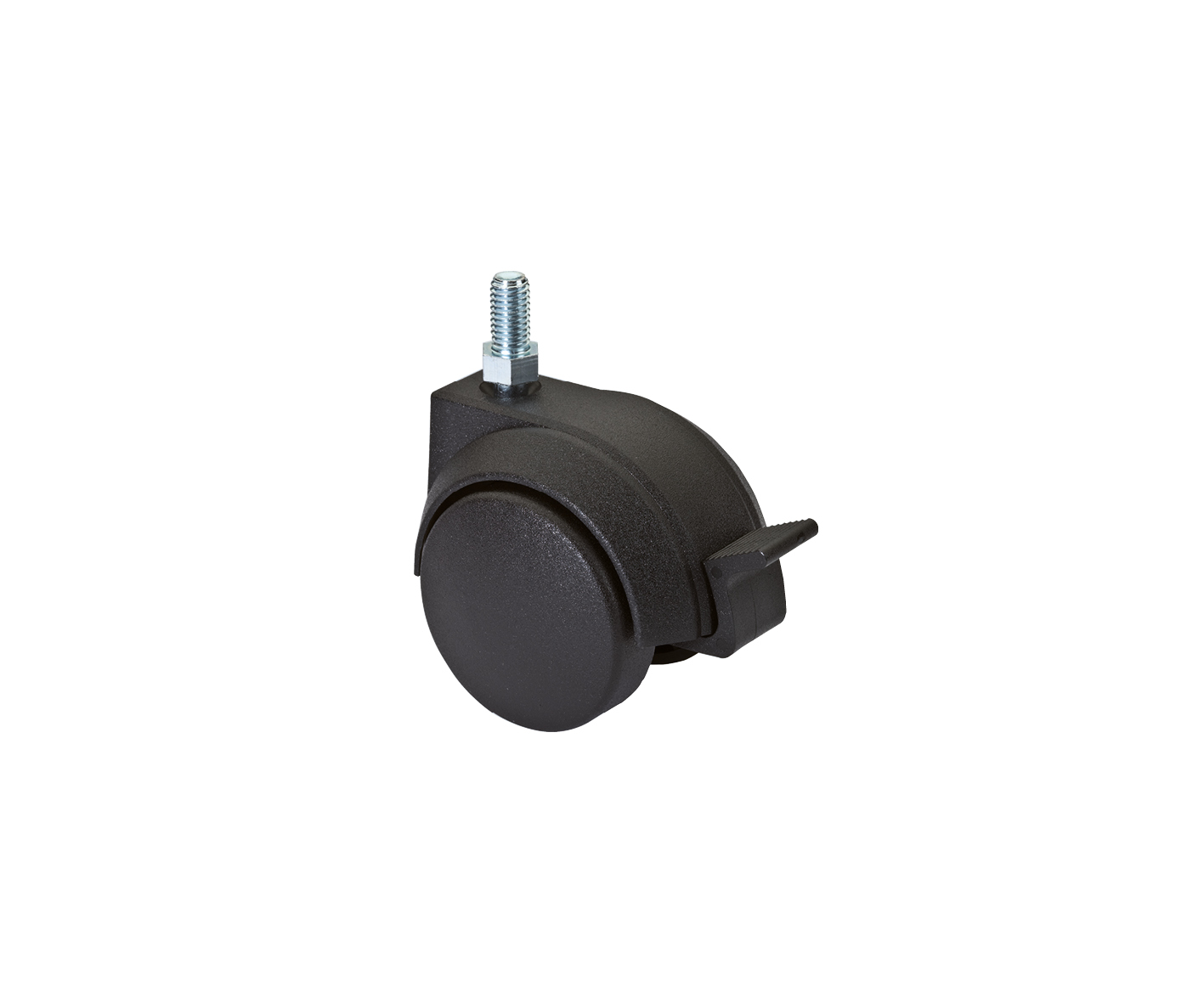
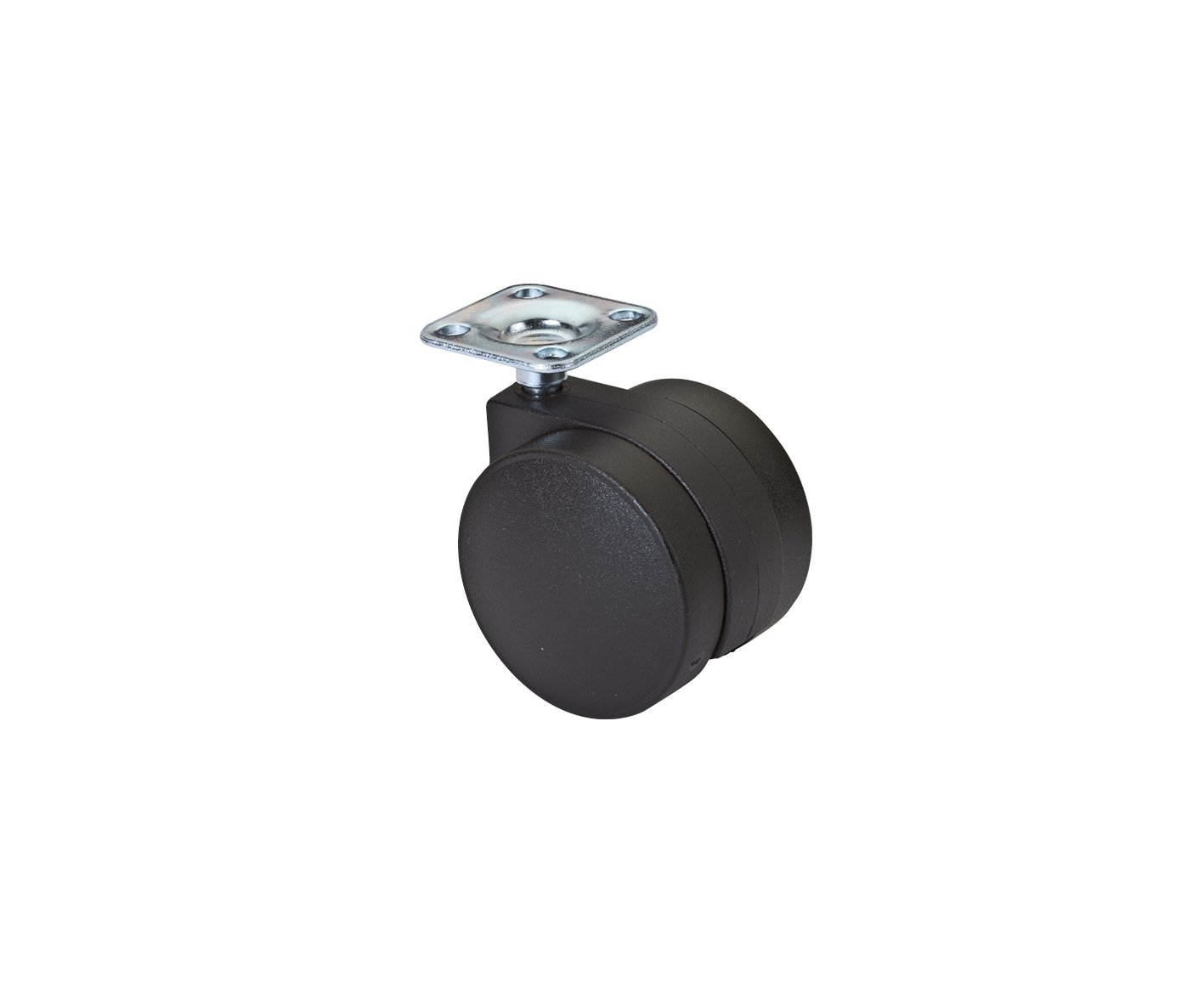
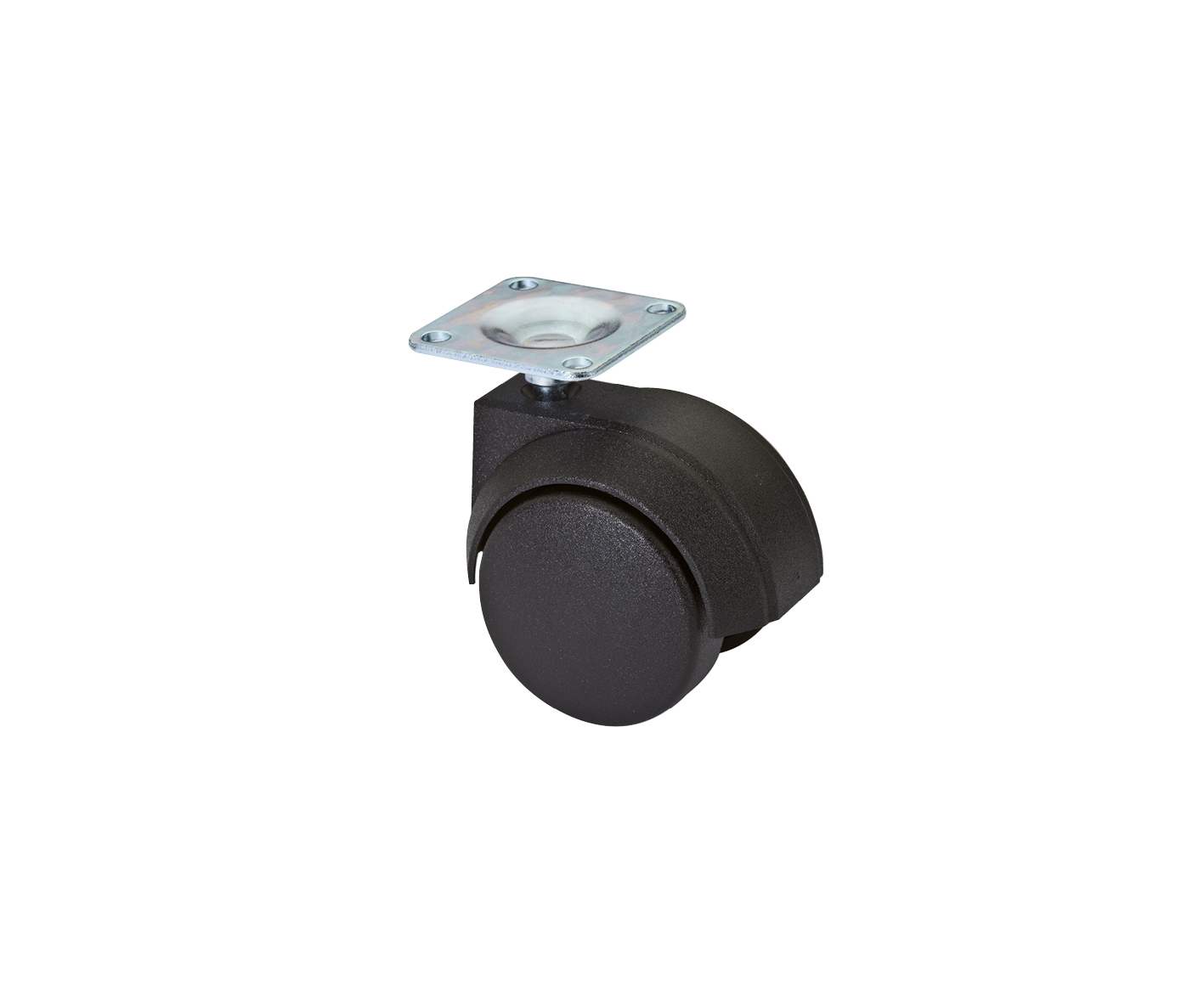
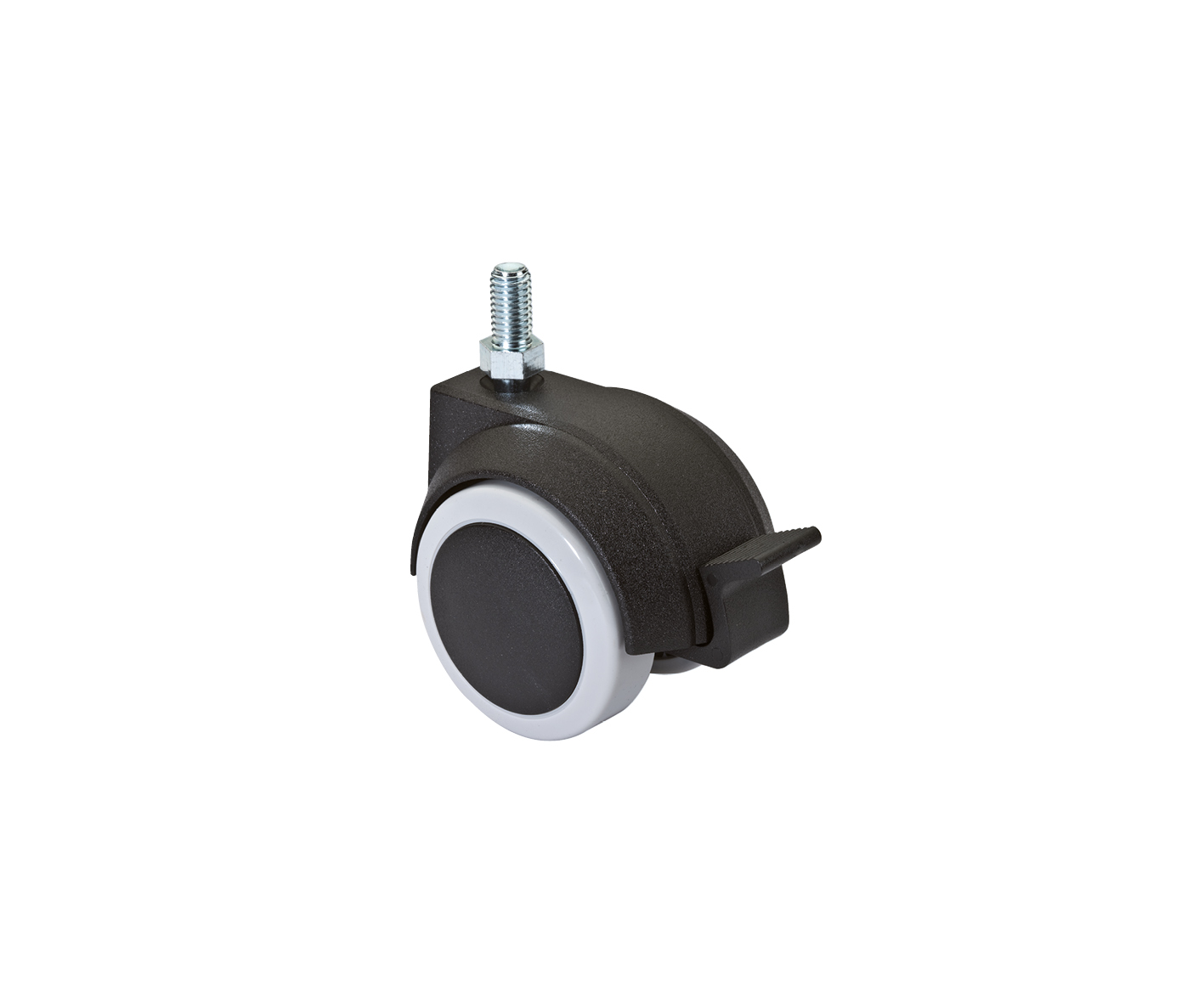
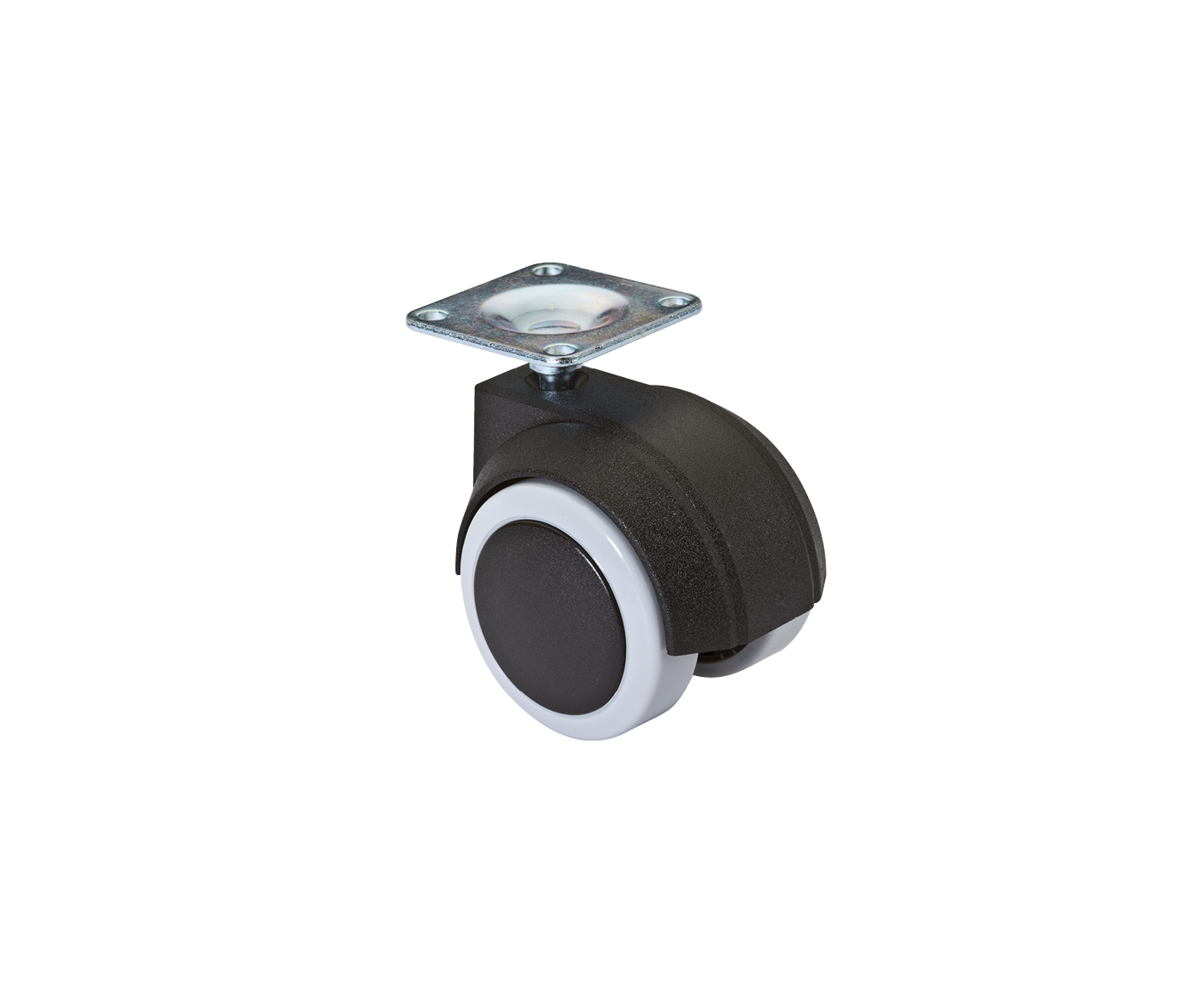
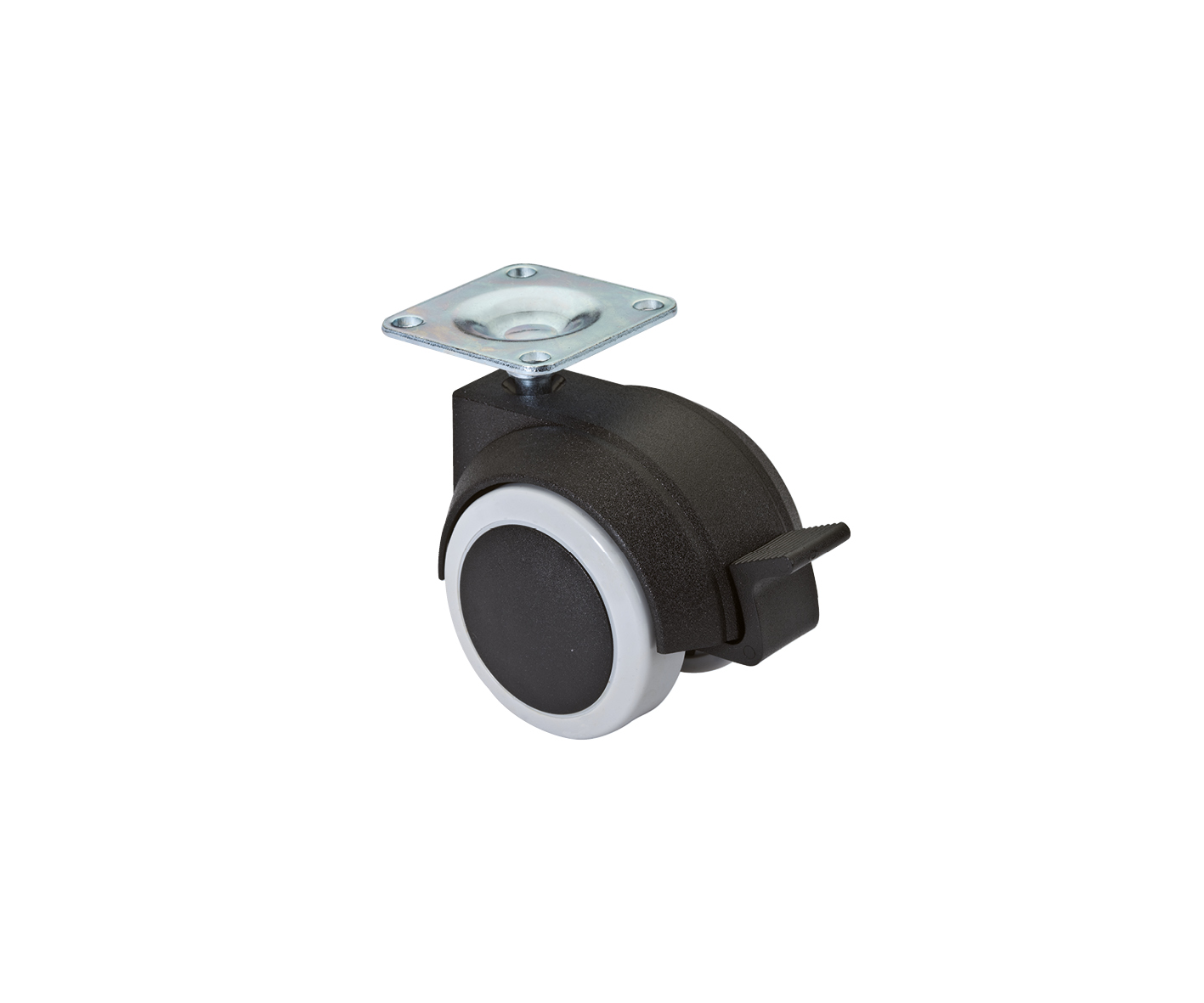
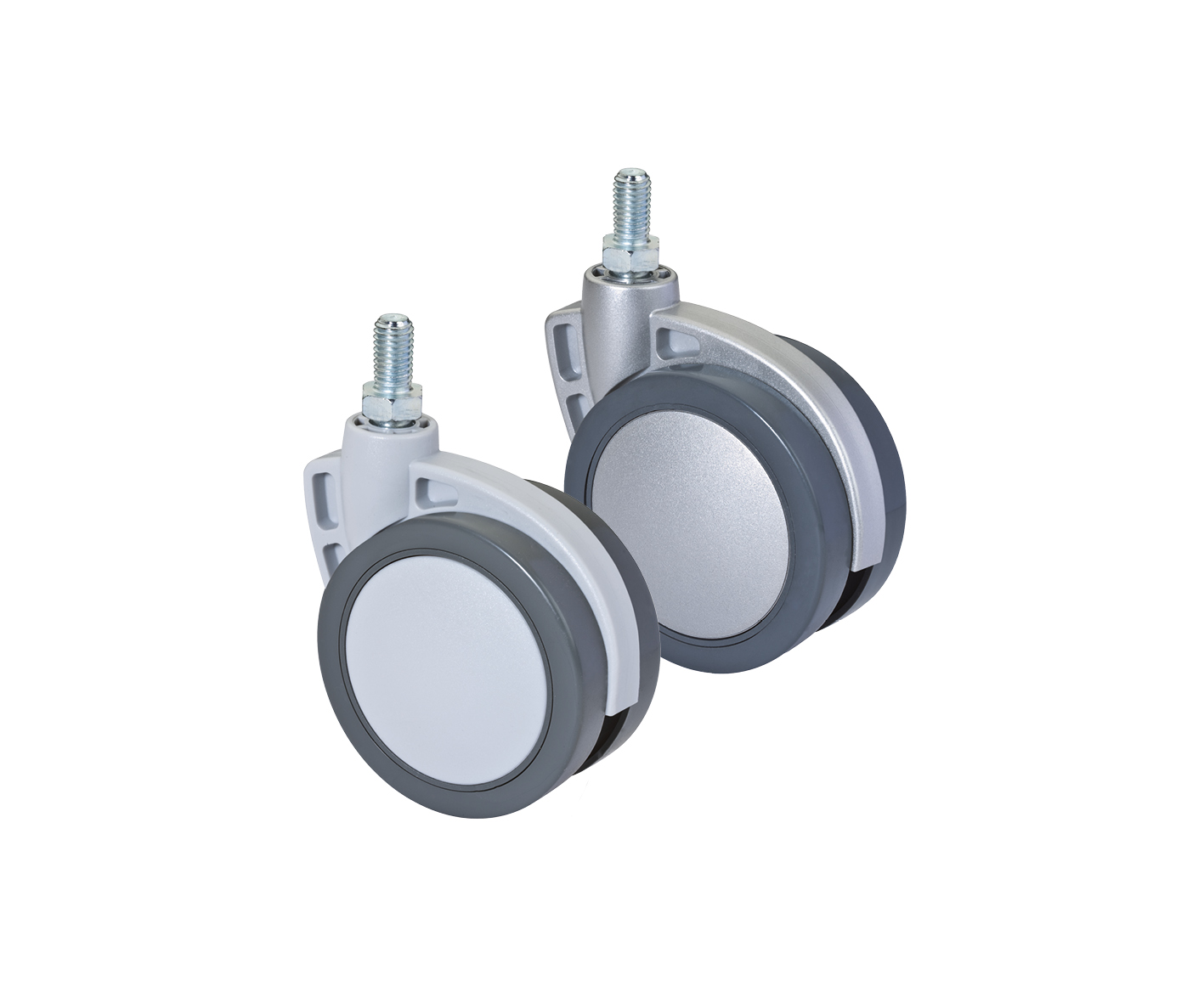
Available with a plate or a pin, in multiple diameters and load capacities, and with or without brakes, these castors can be made from rigid or rubberized materials (such as nylon or rubber) to suit different surfaces. They help protect floors and guarantee long-lasting performance.

MACO develops furniture castors for B2B clients, integrating them into the production processes of companies in the home, commercial, and light industrial furniture sectors. Our solutions combine strength, reliability, and technical customization, providing controlled mobility and consistent performance for demanding applications.

What is a furniture castor?

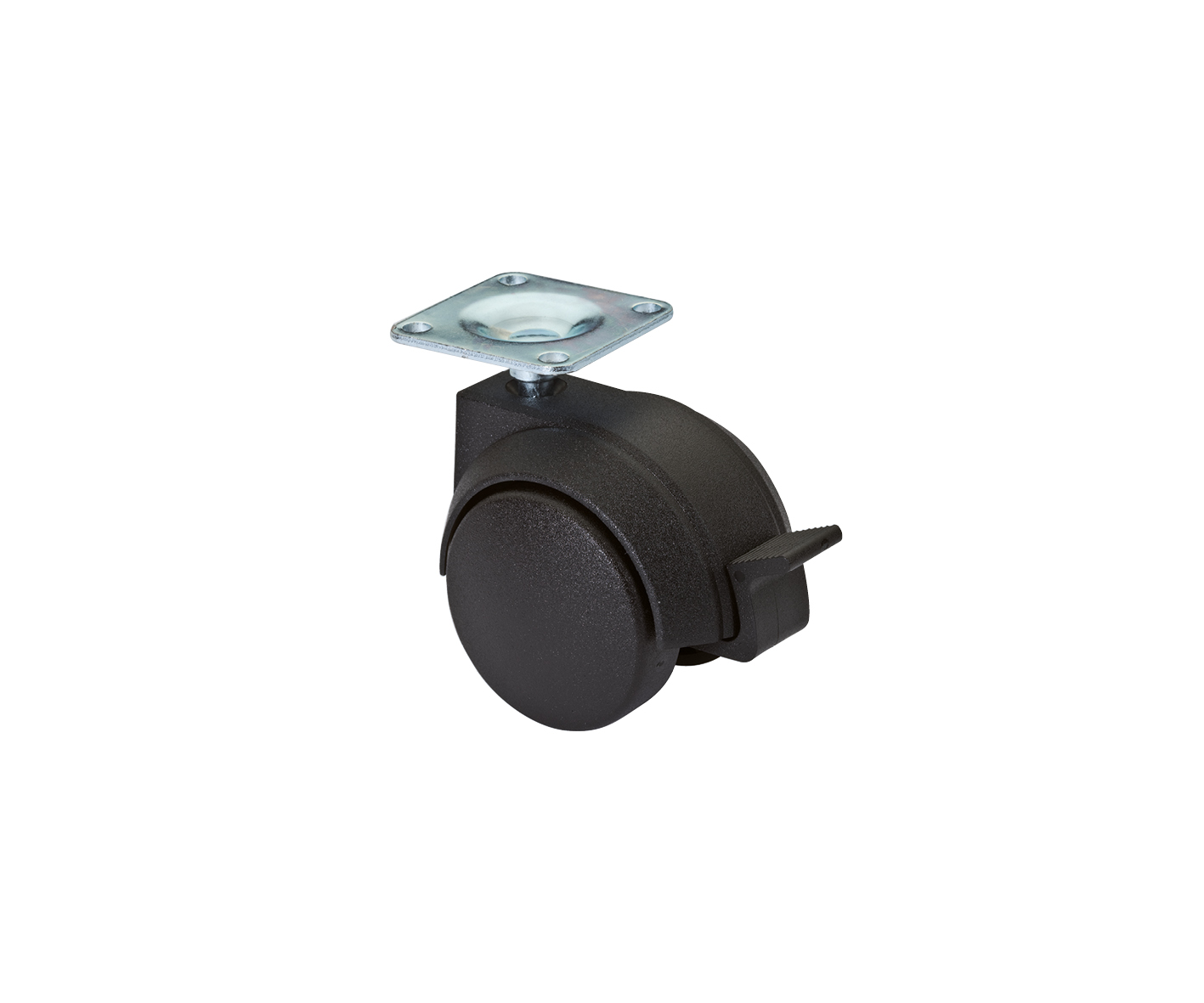
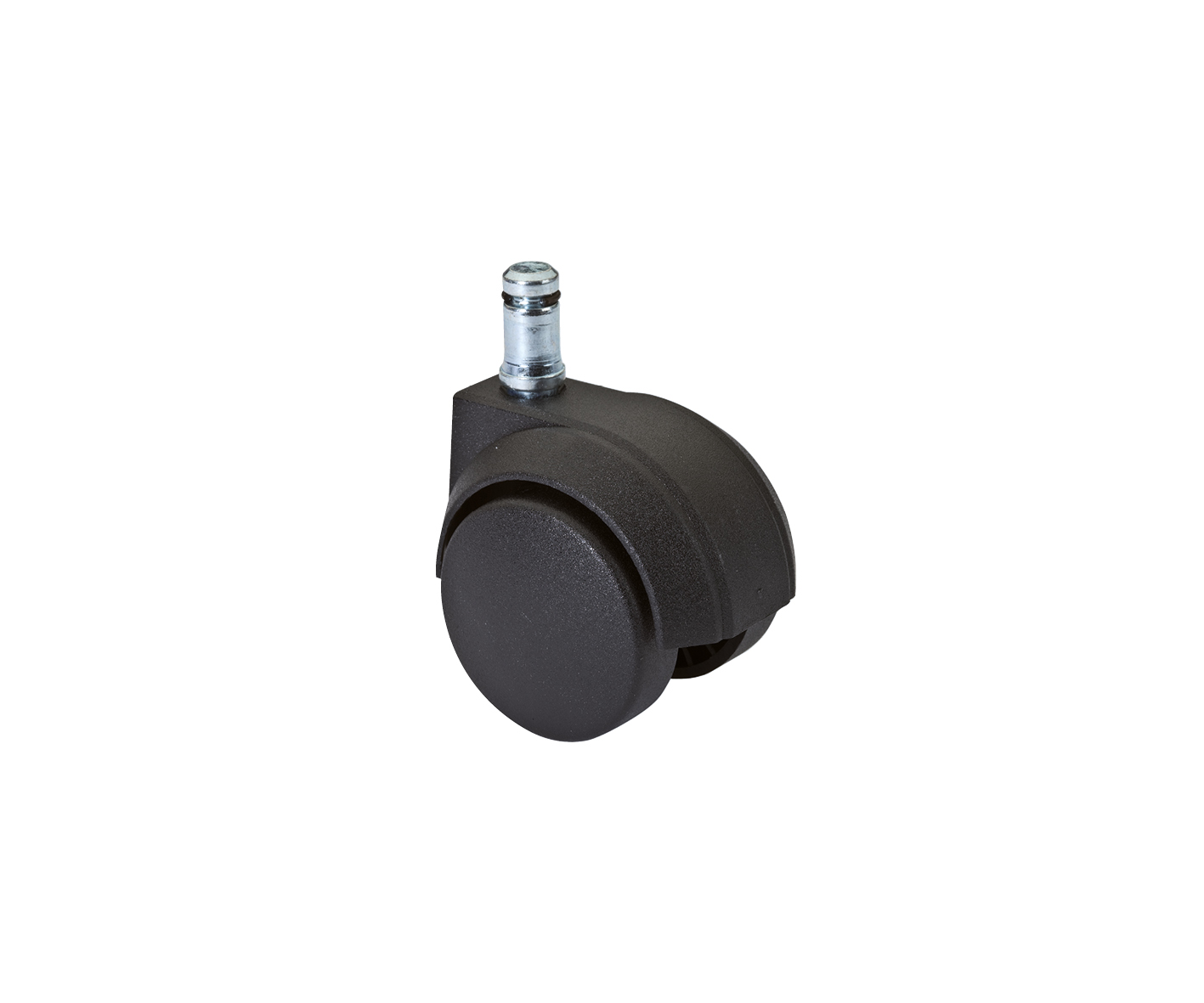
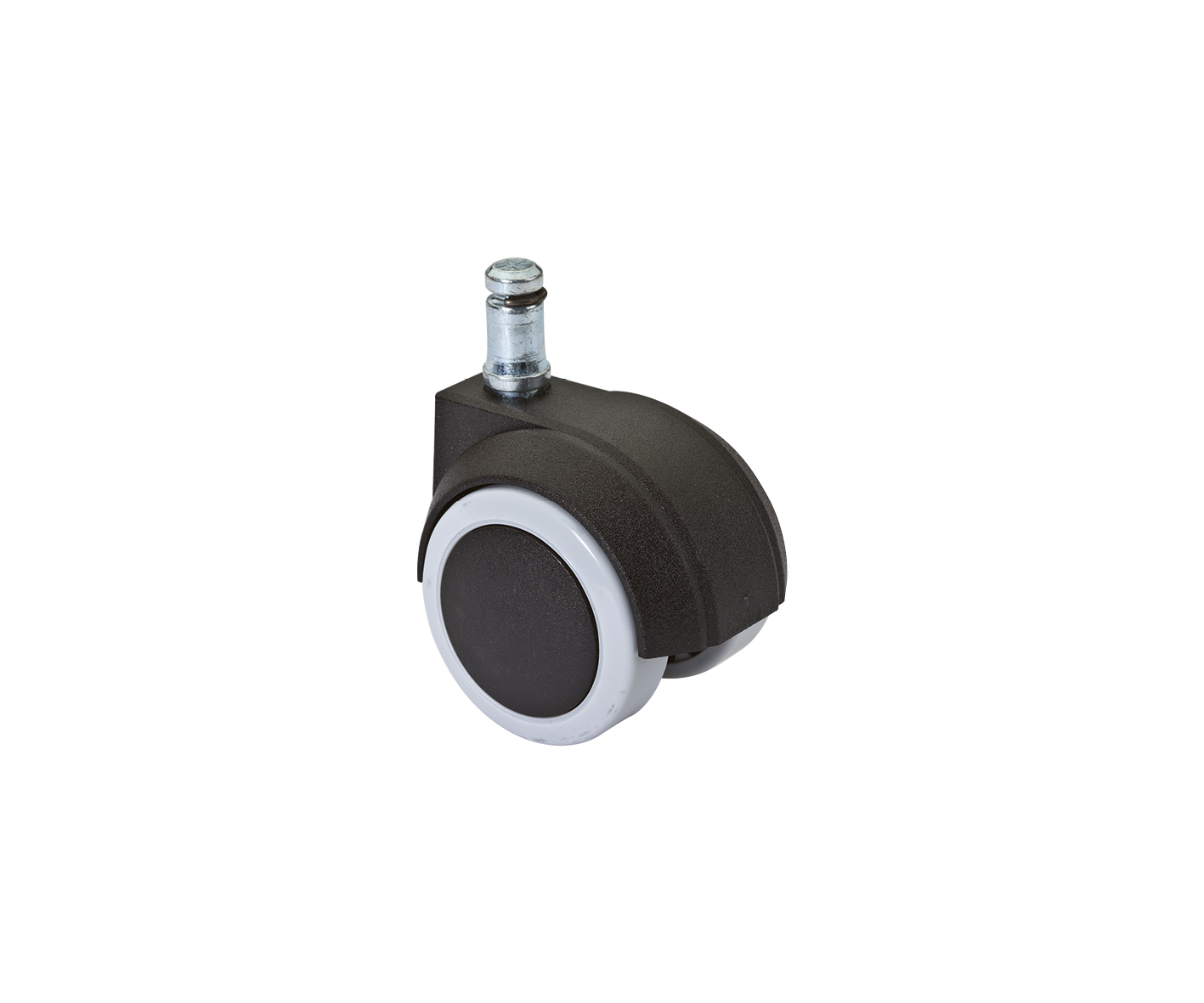
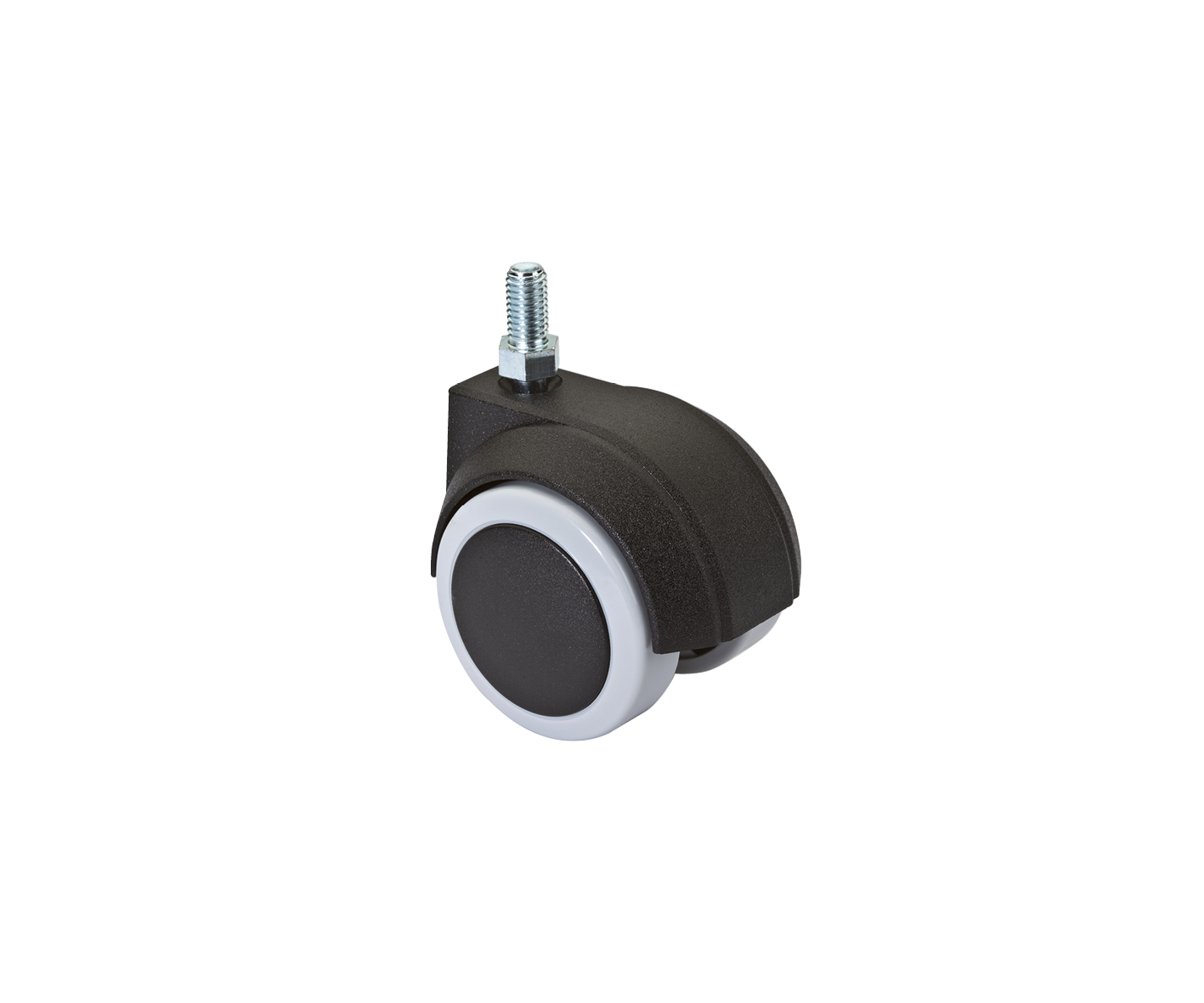
A furniture castor is a technical component designed to enable the controlled movement of furniture and structures. It consists of several elements that work together to ensure stability, smooth motion, and safety.

A furniture castor is generally composed of:

  • castor body (plastic material)
  • one or two rotating wheels, depending on the castor model (plastic or rubber)
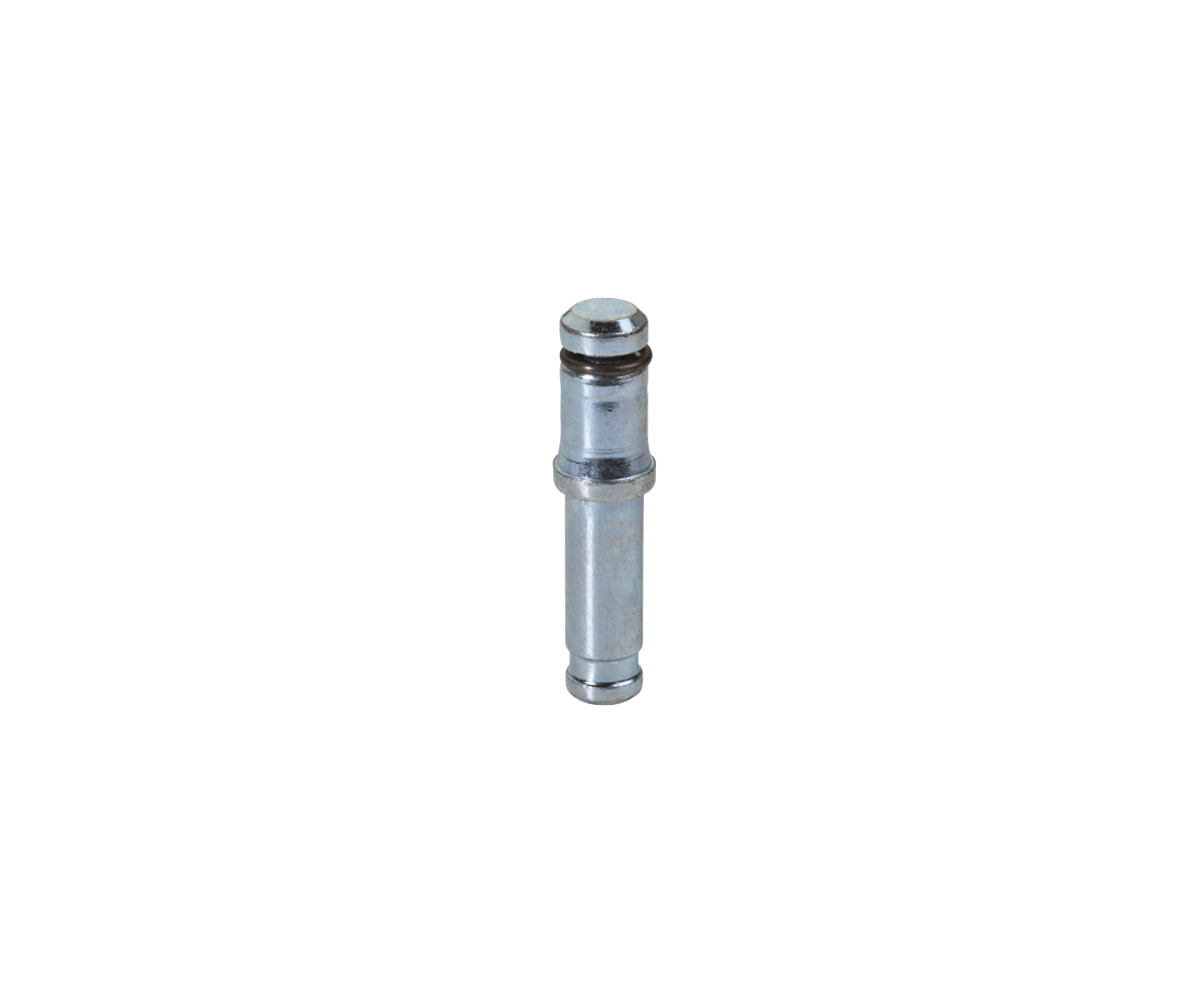
  • central steel pin
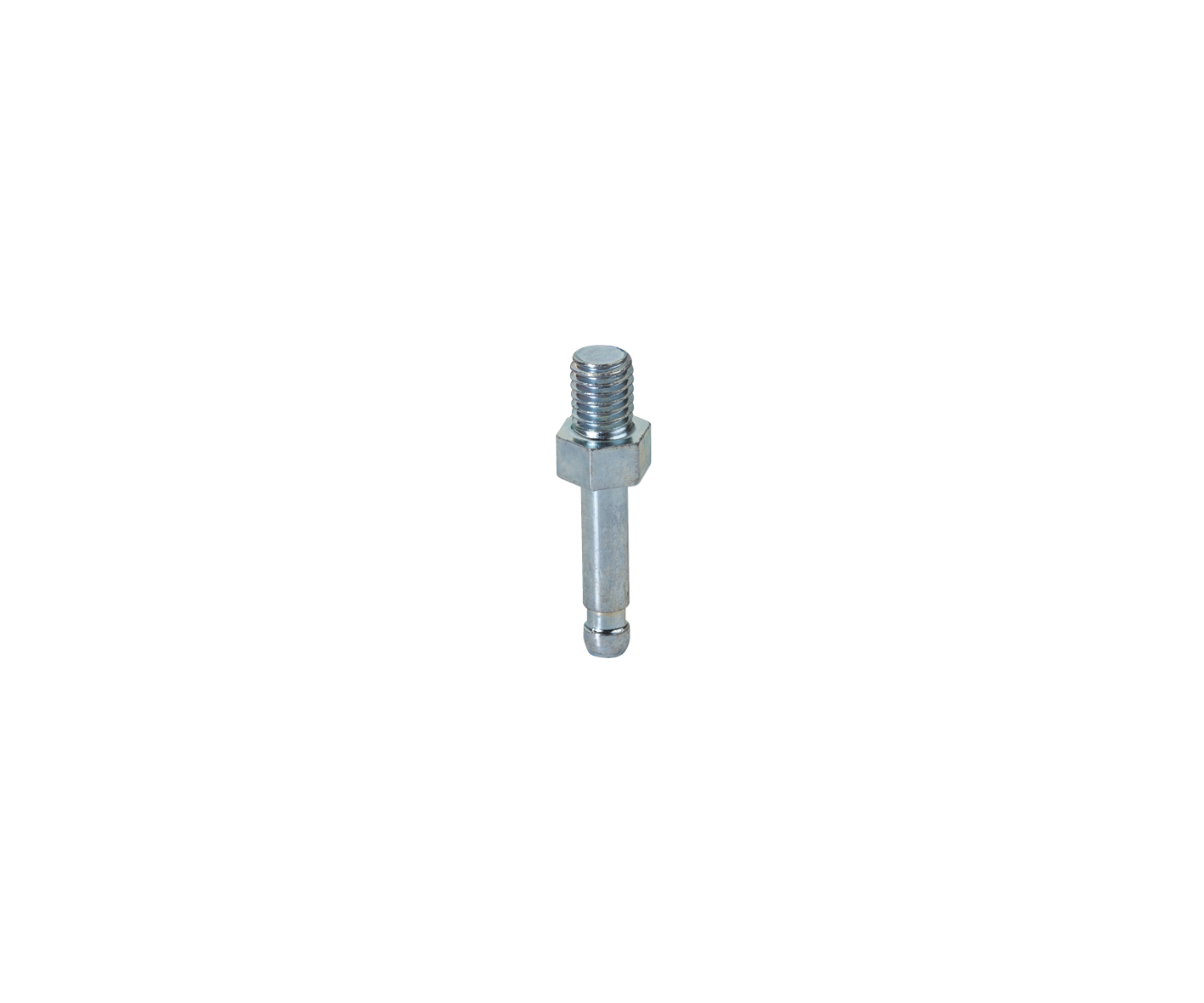
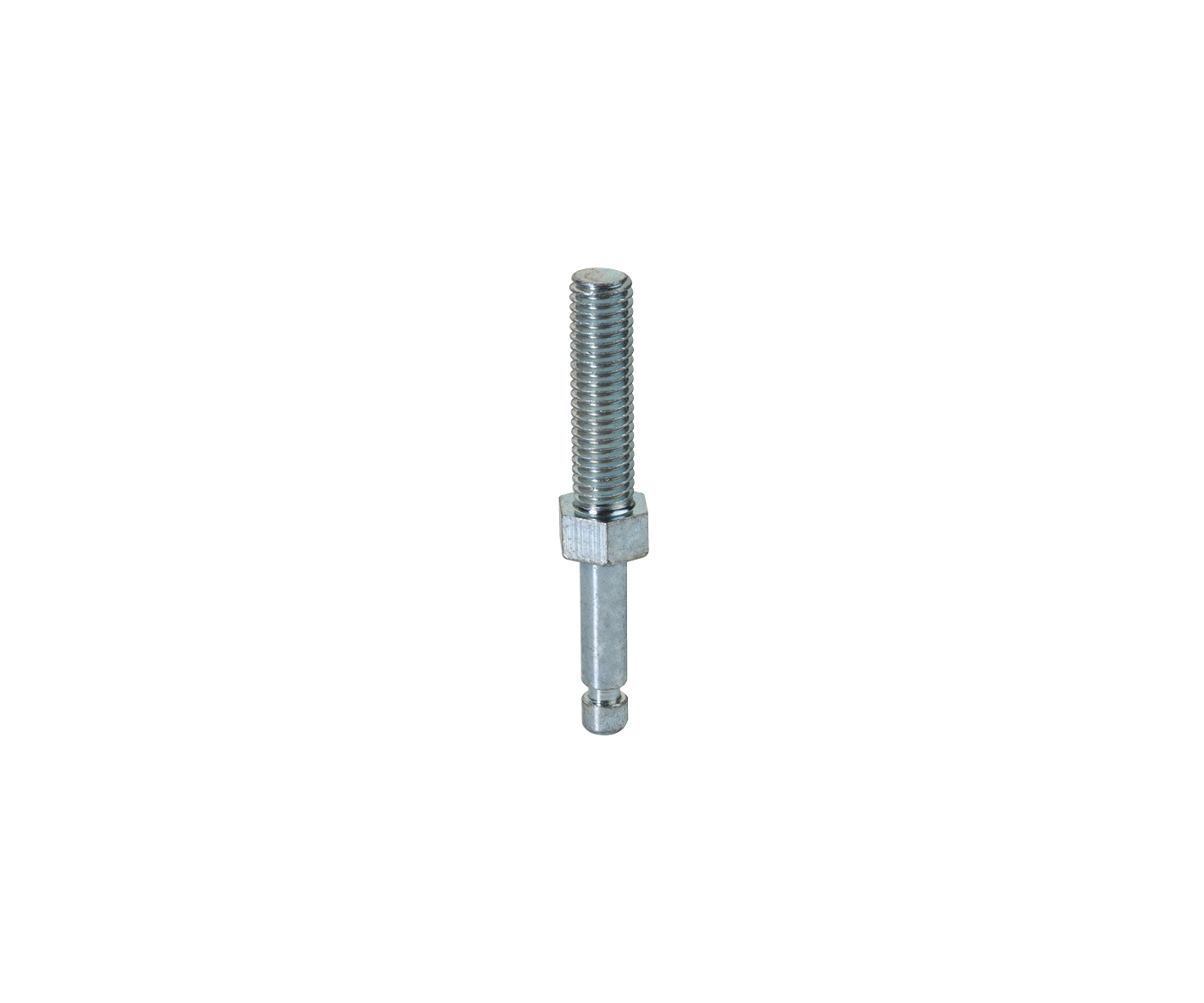
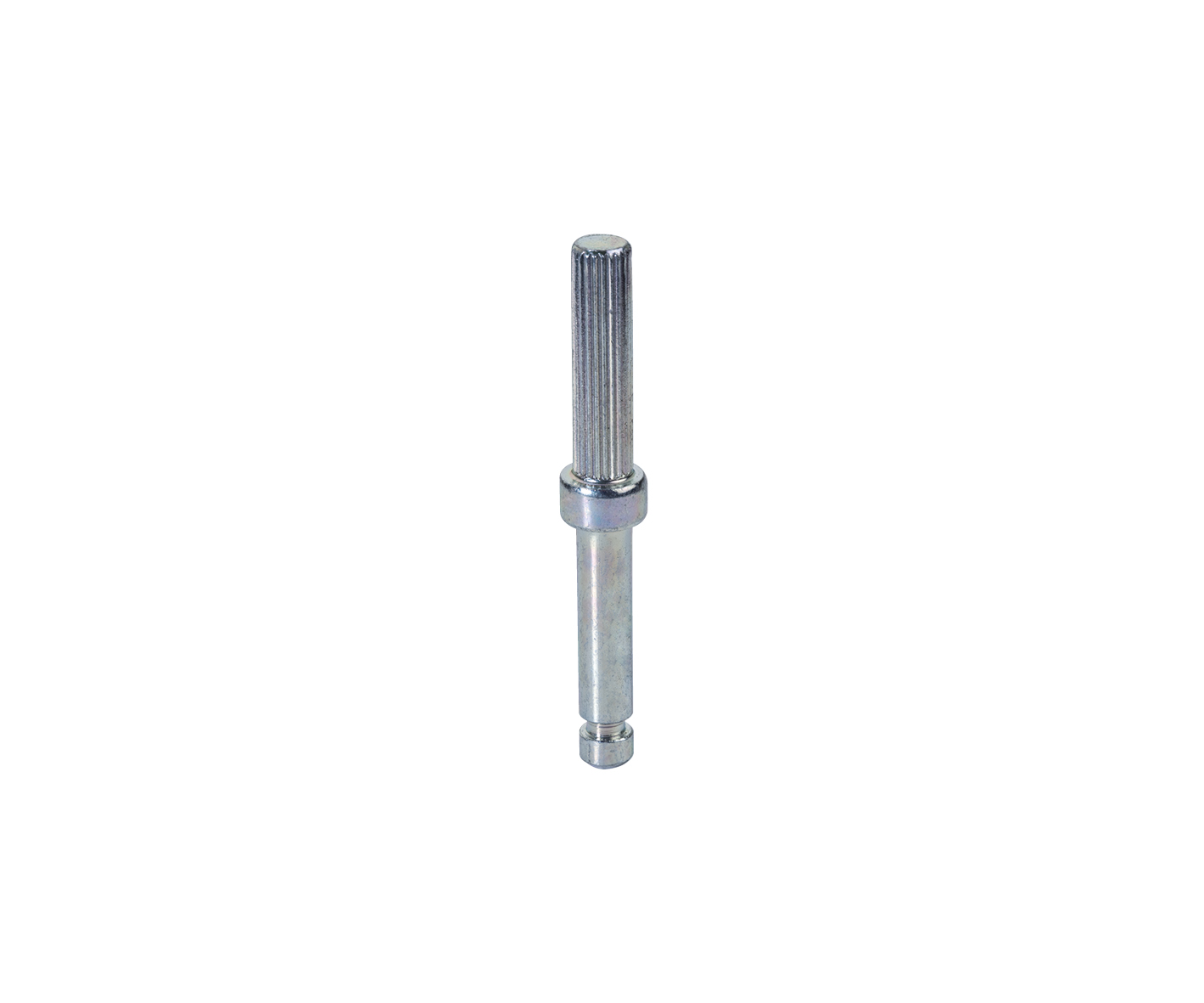
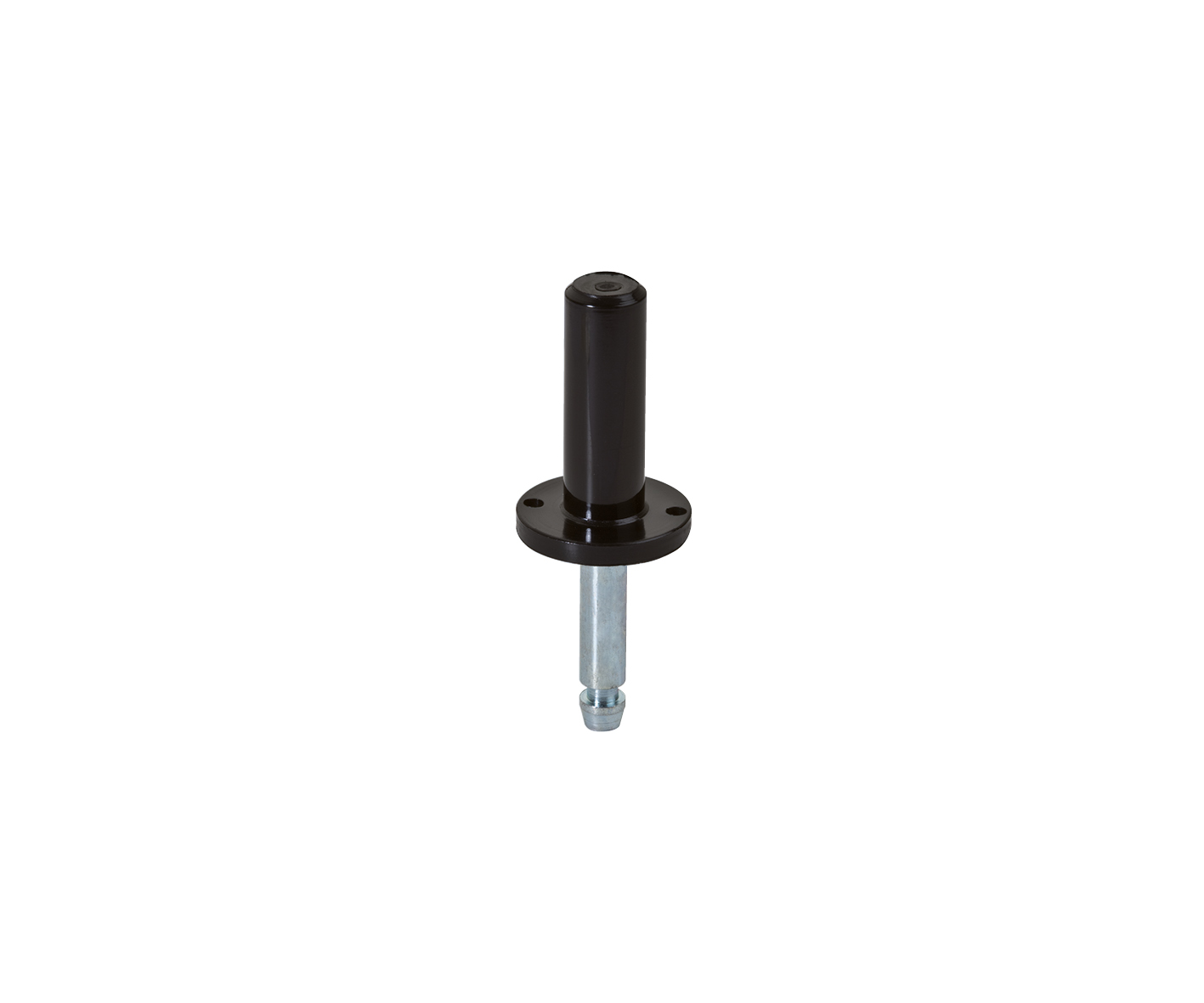
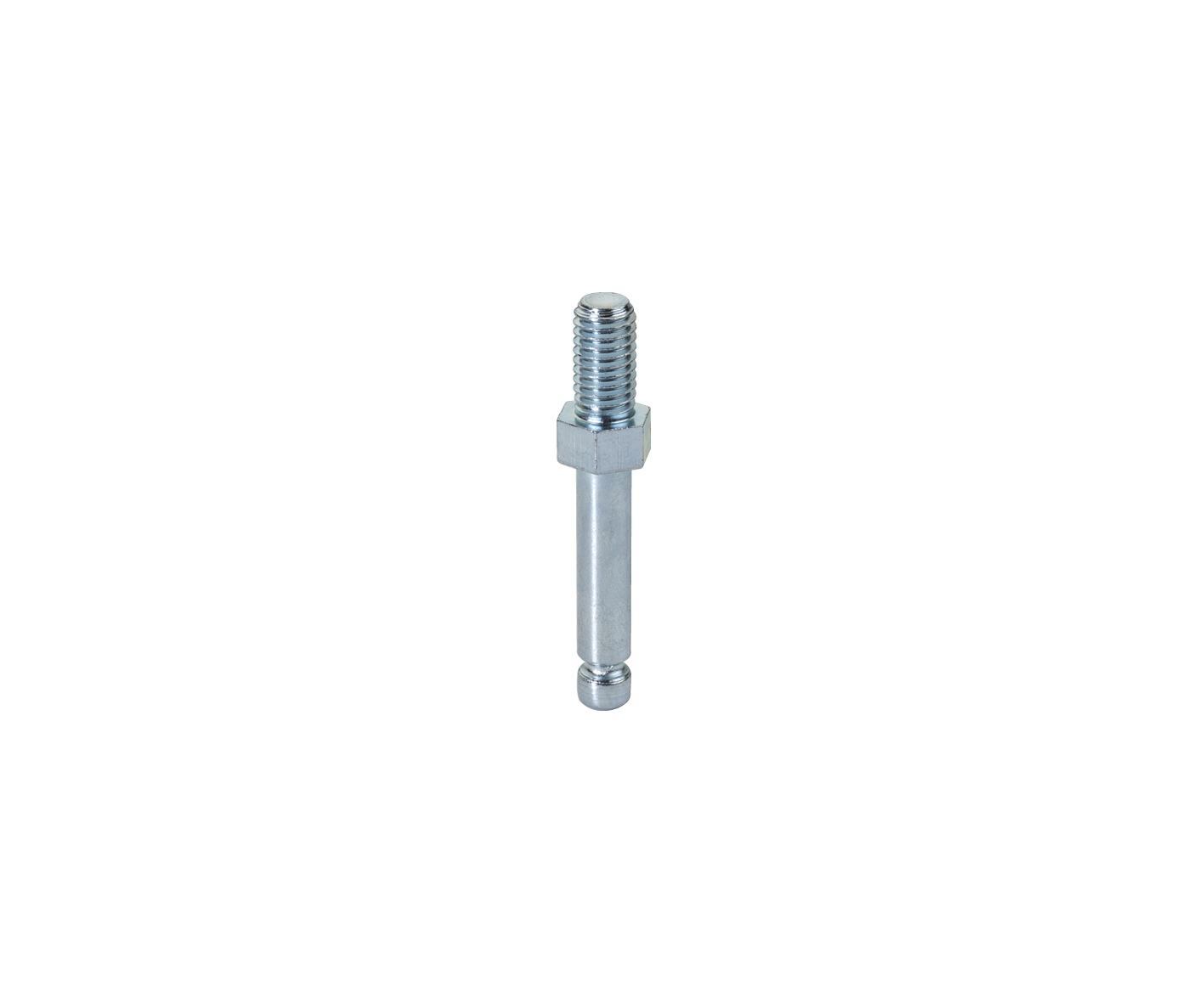
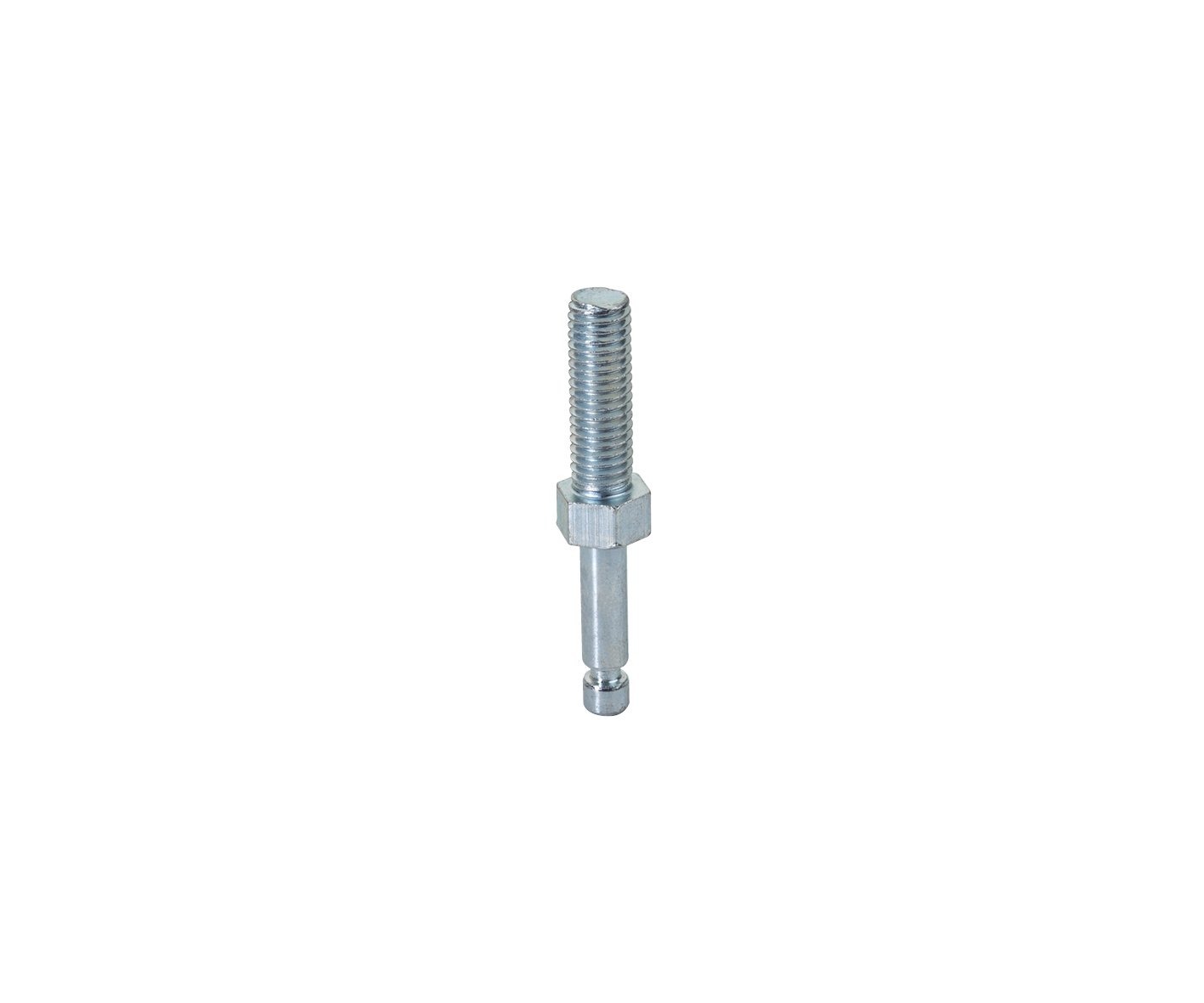
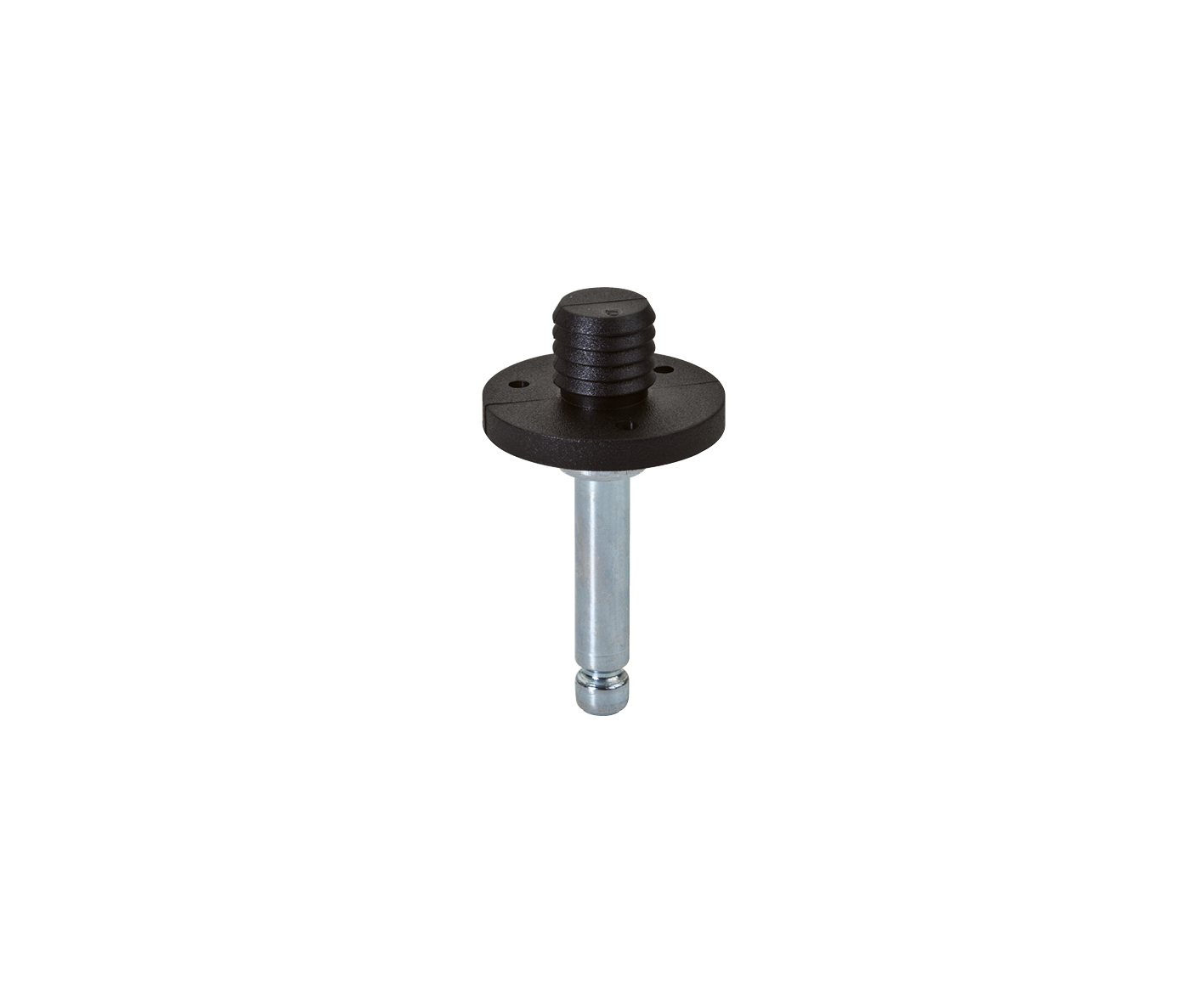
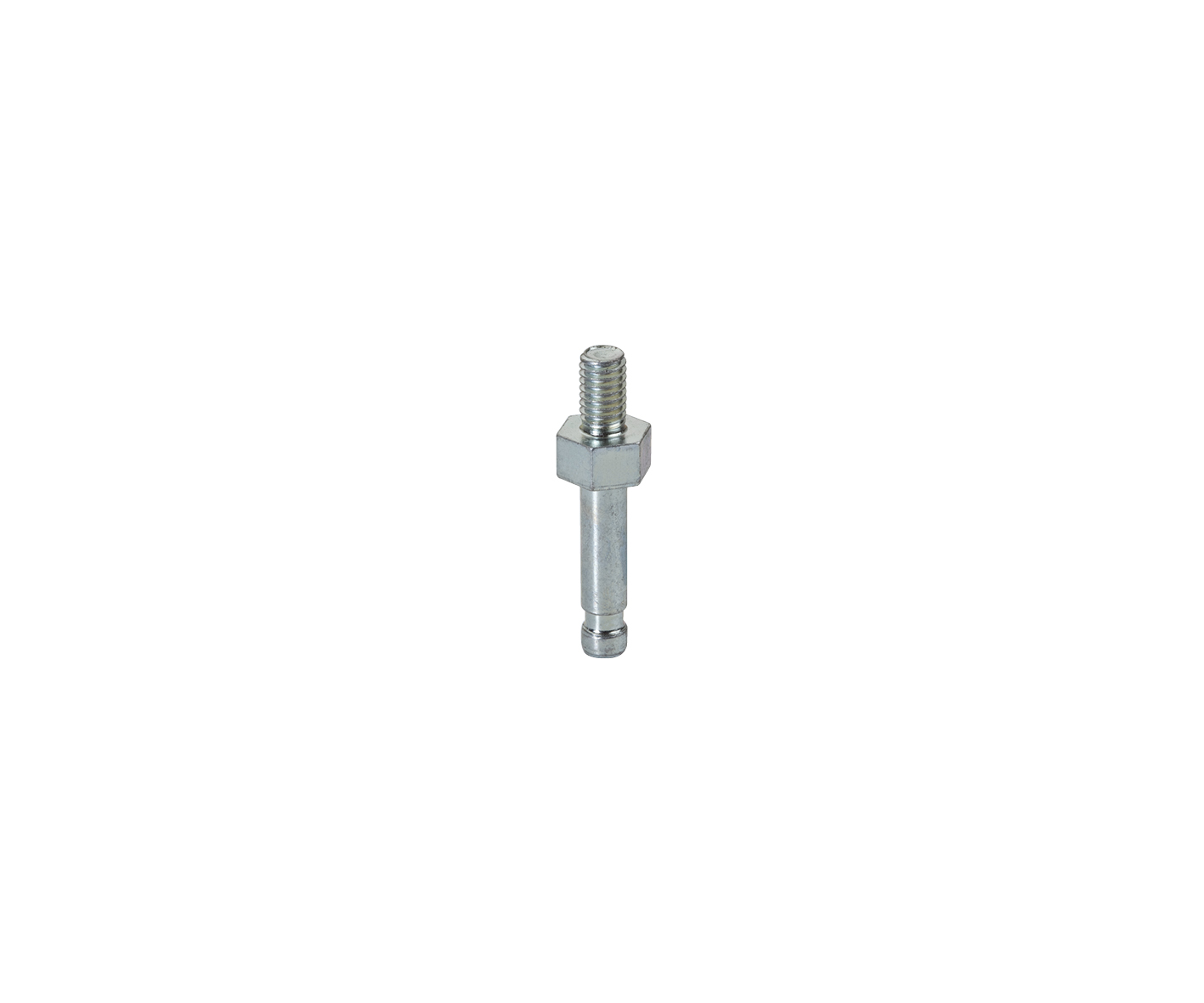
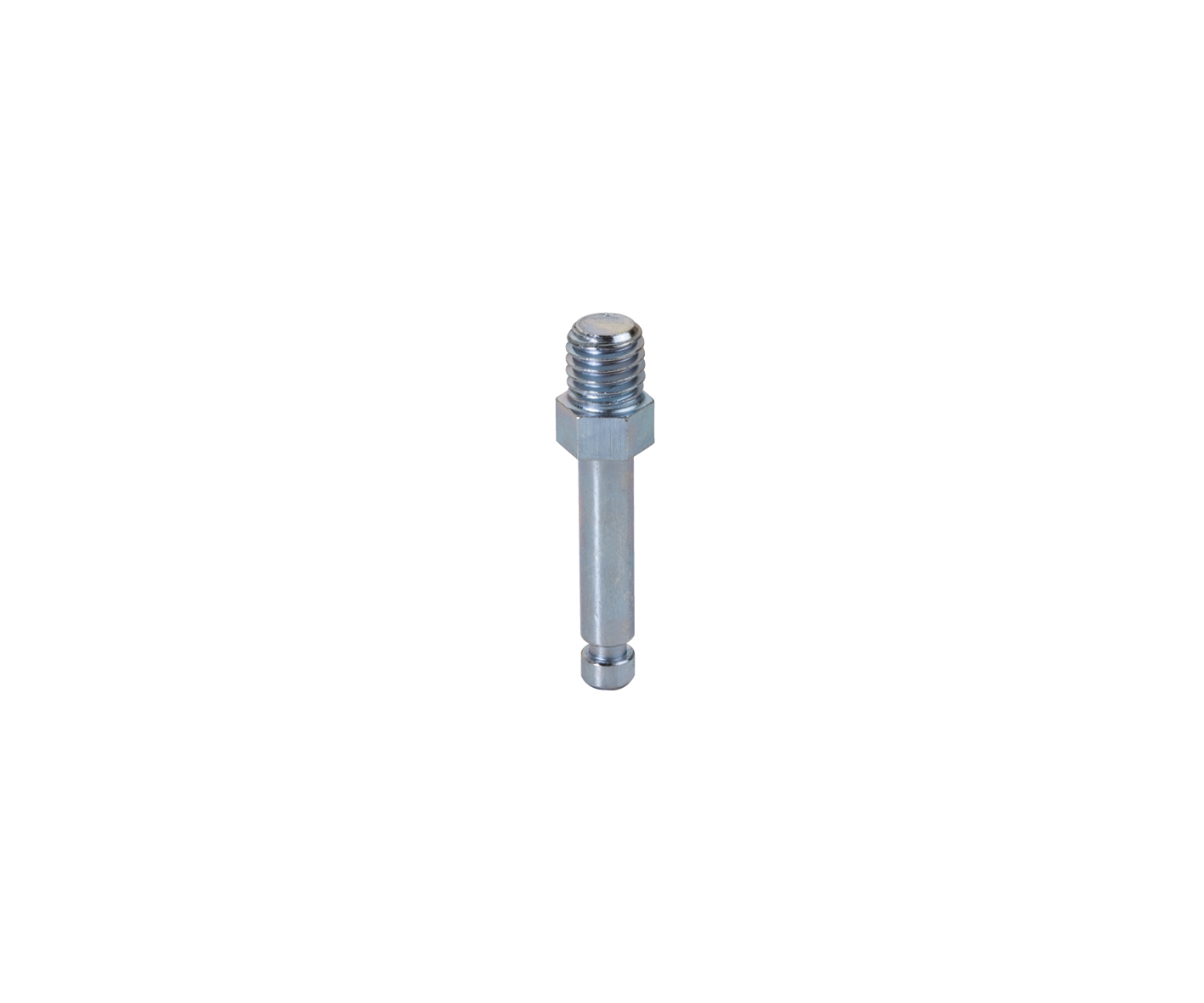
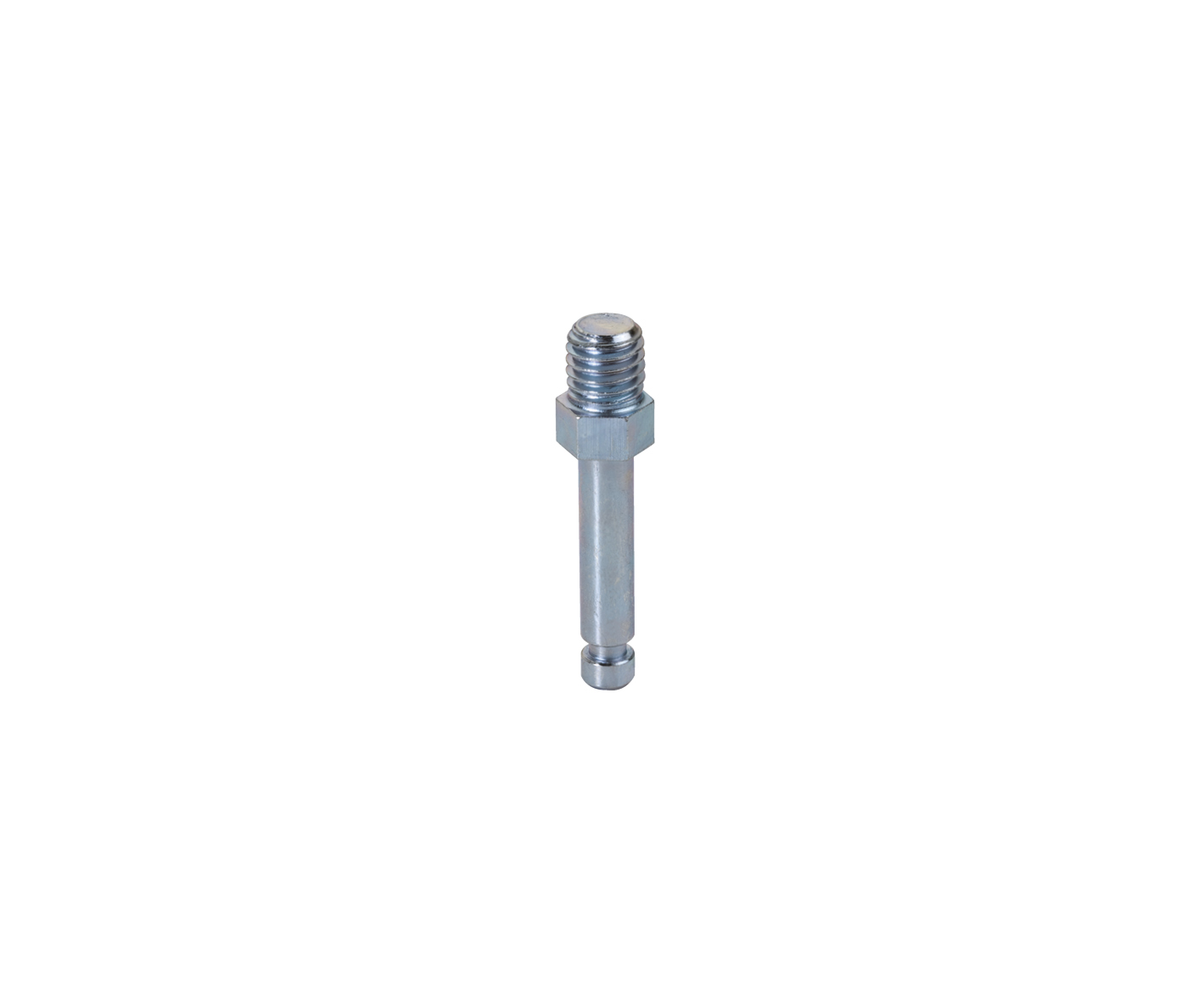
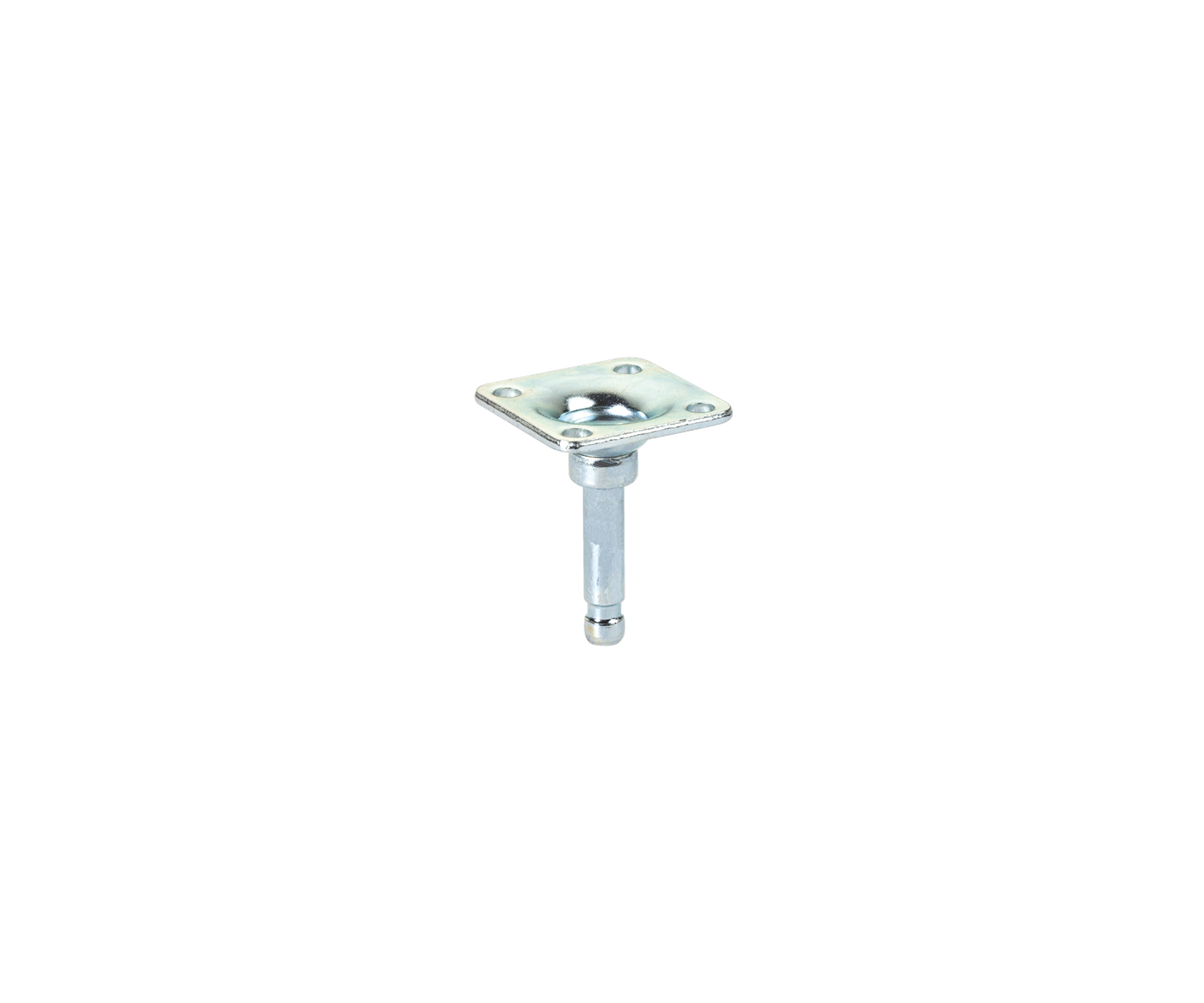
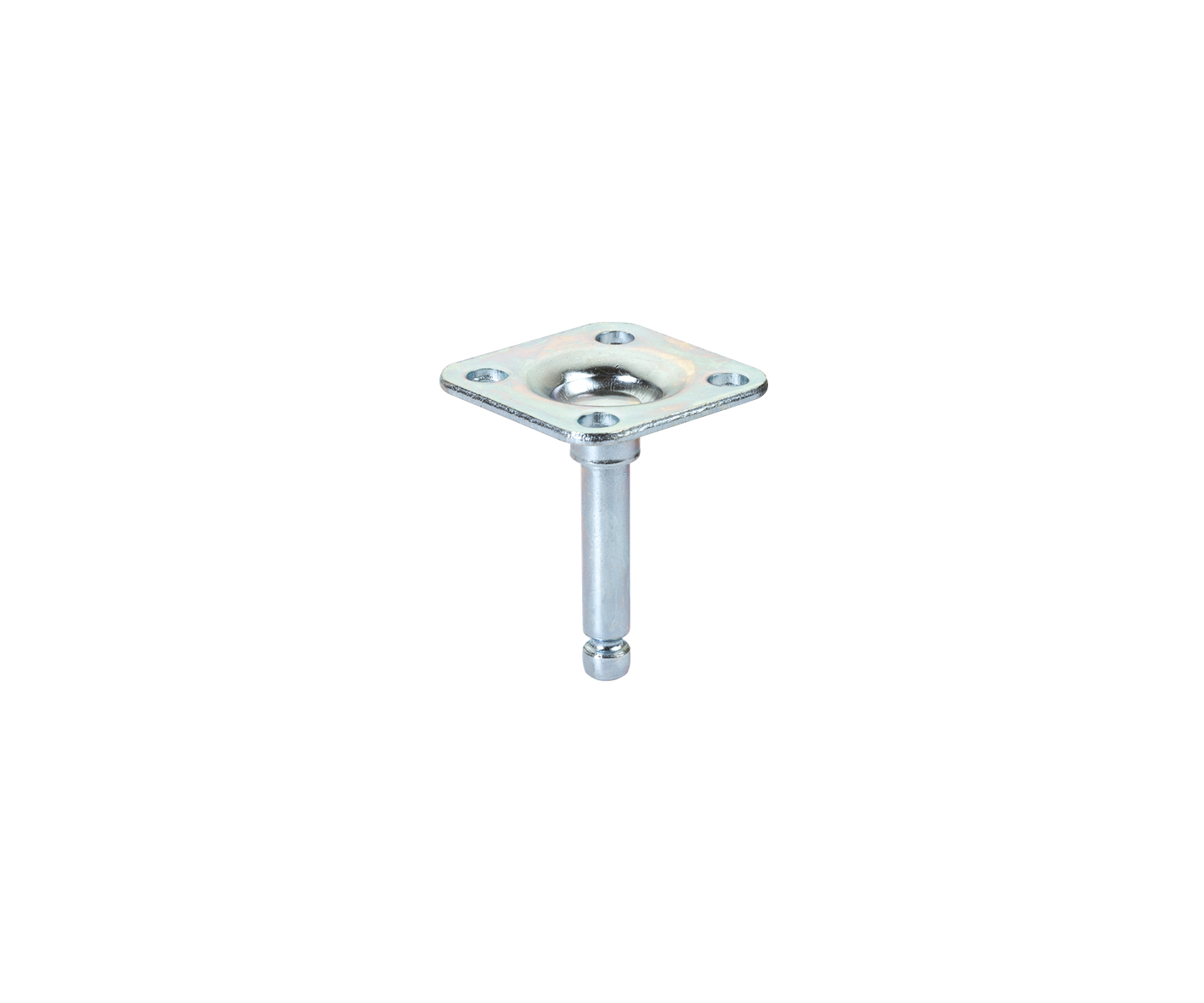
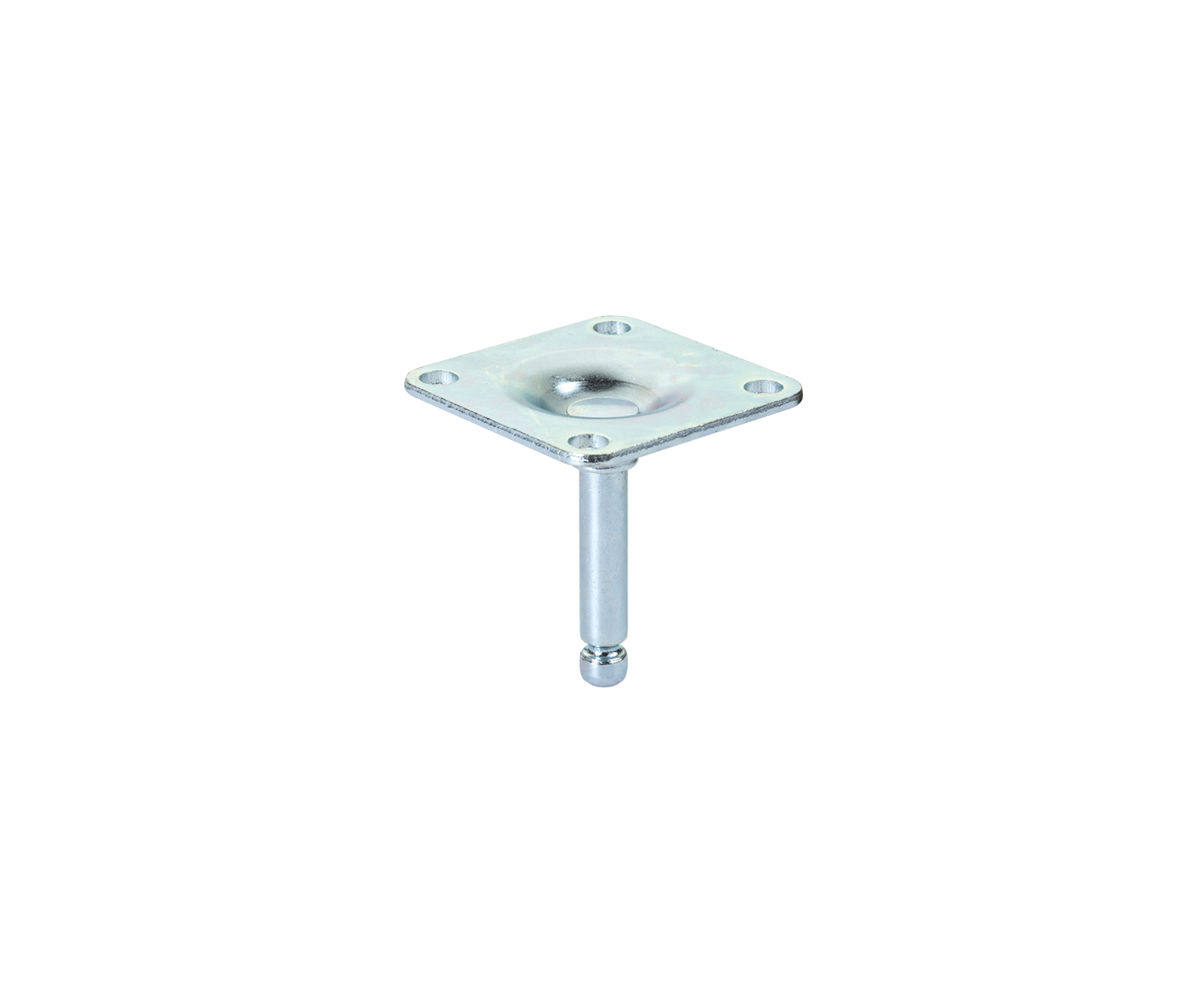
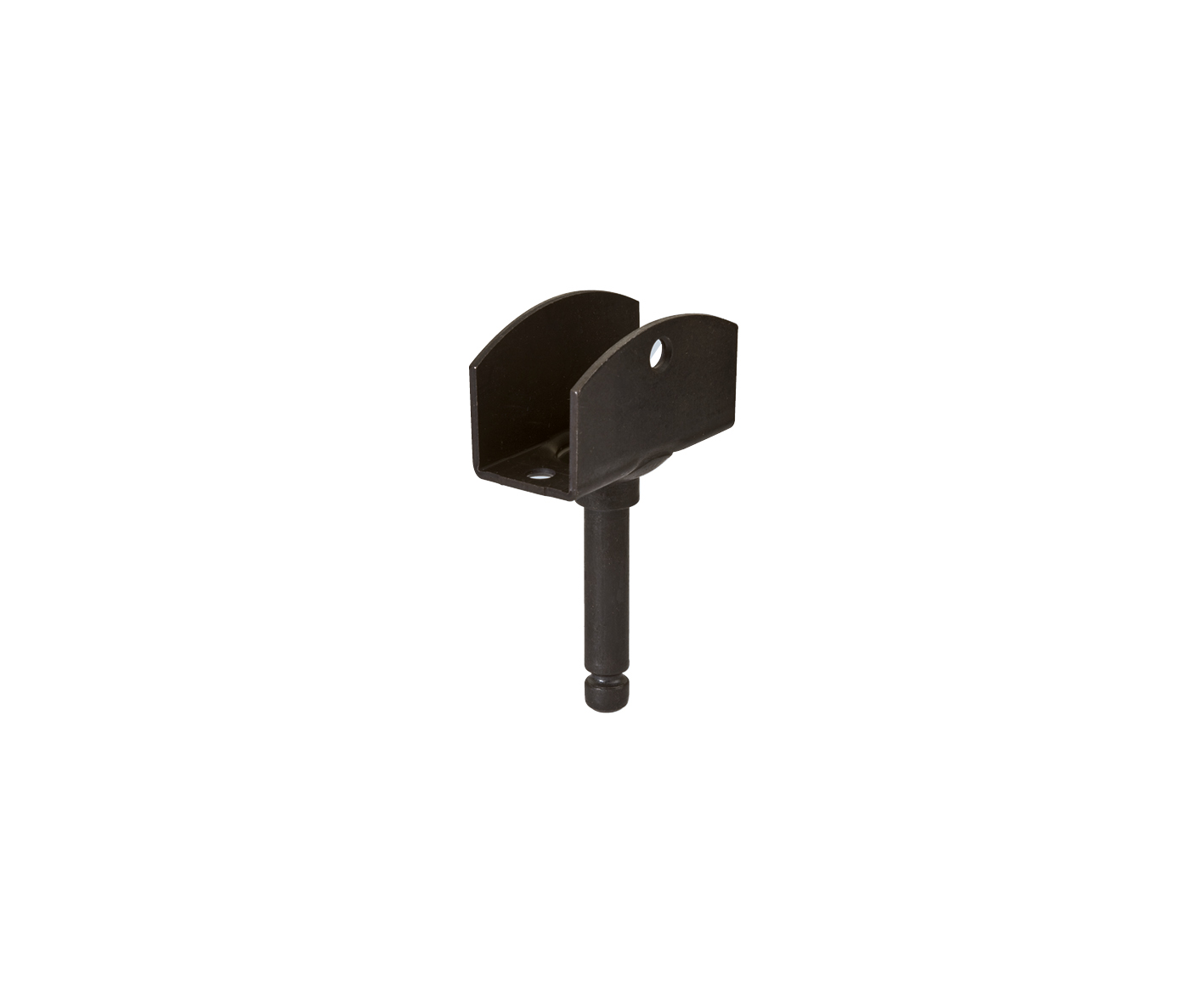
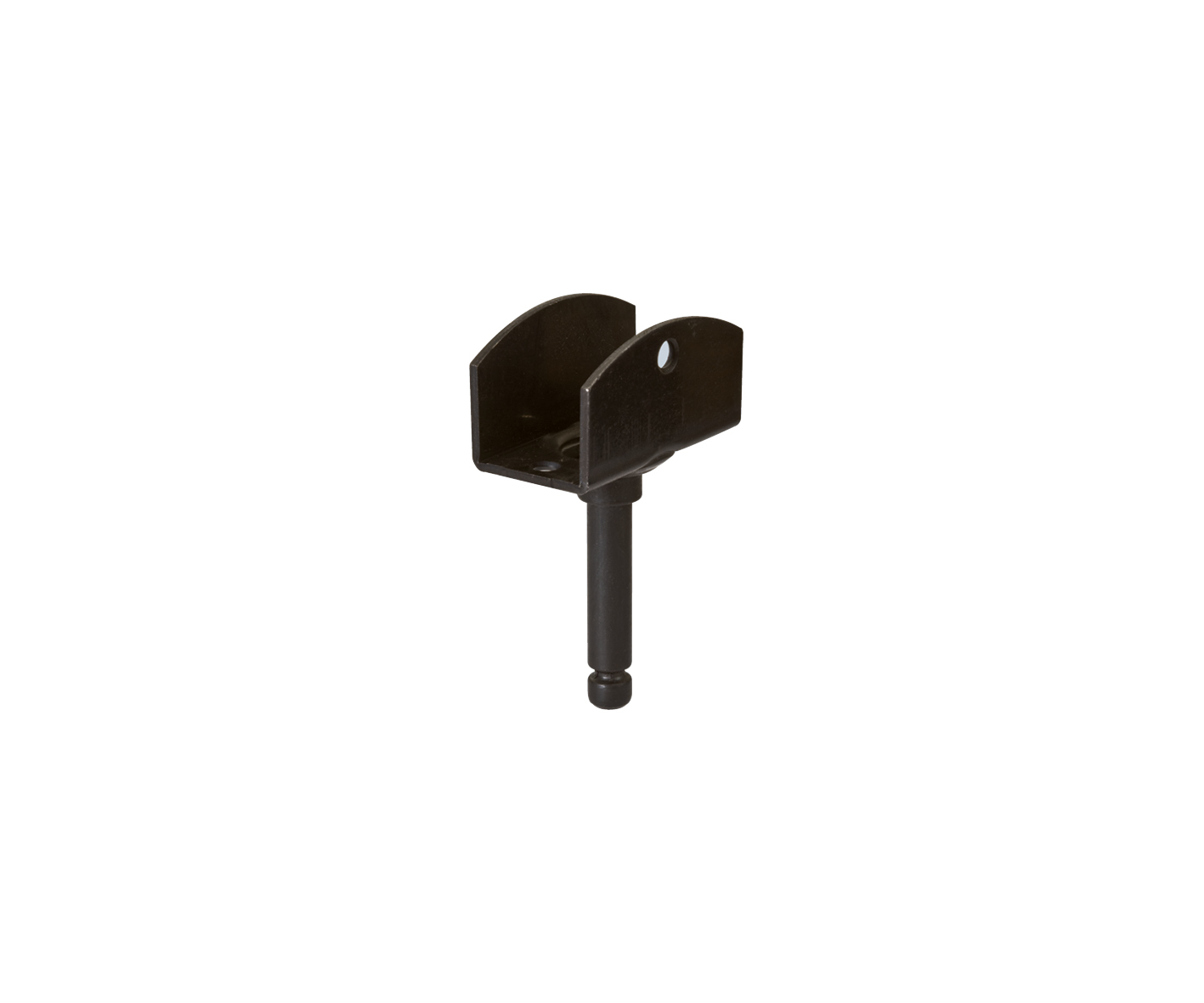
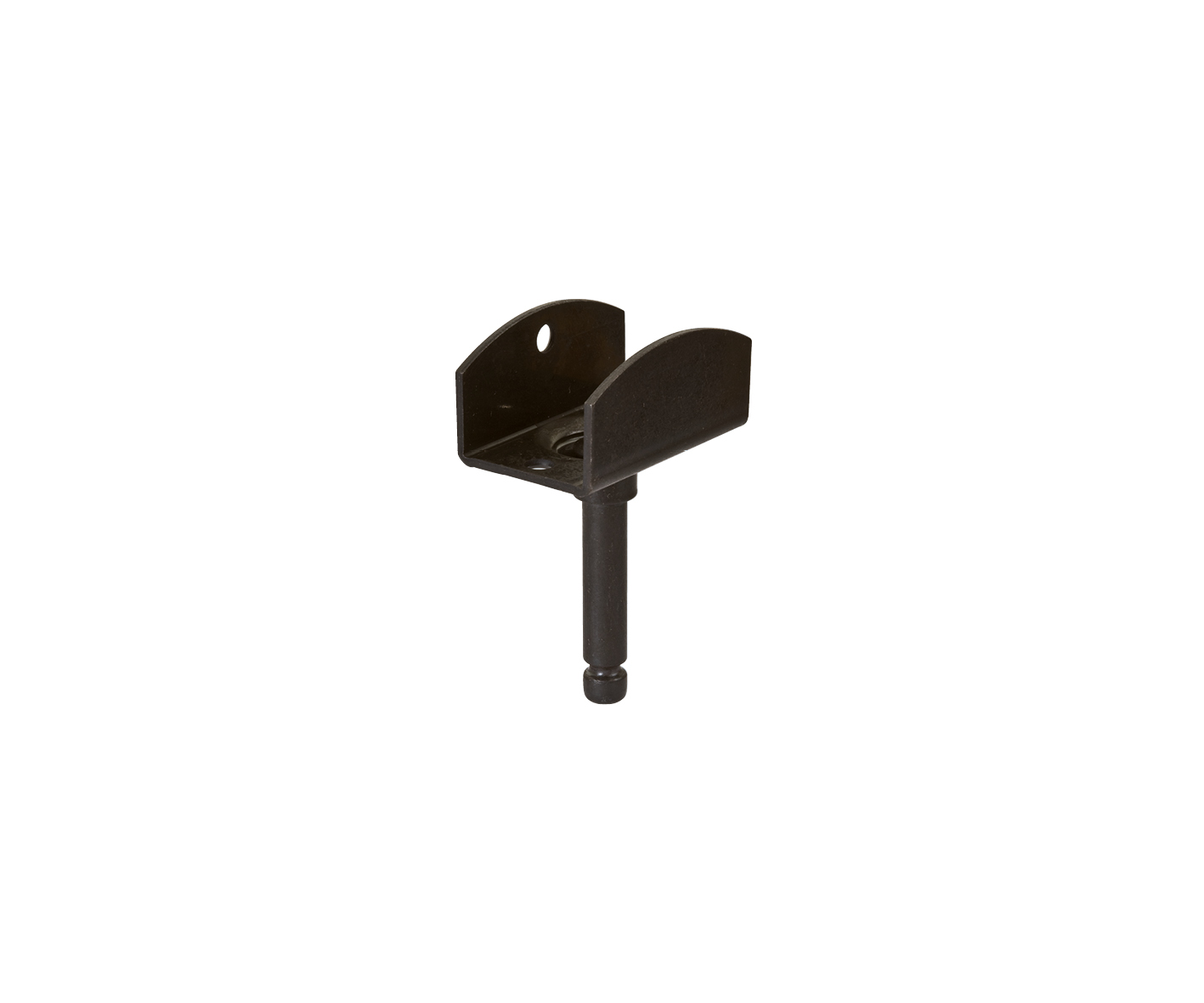
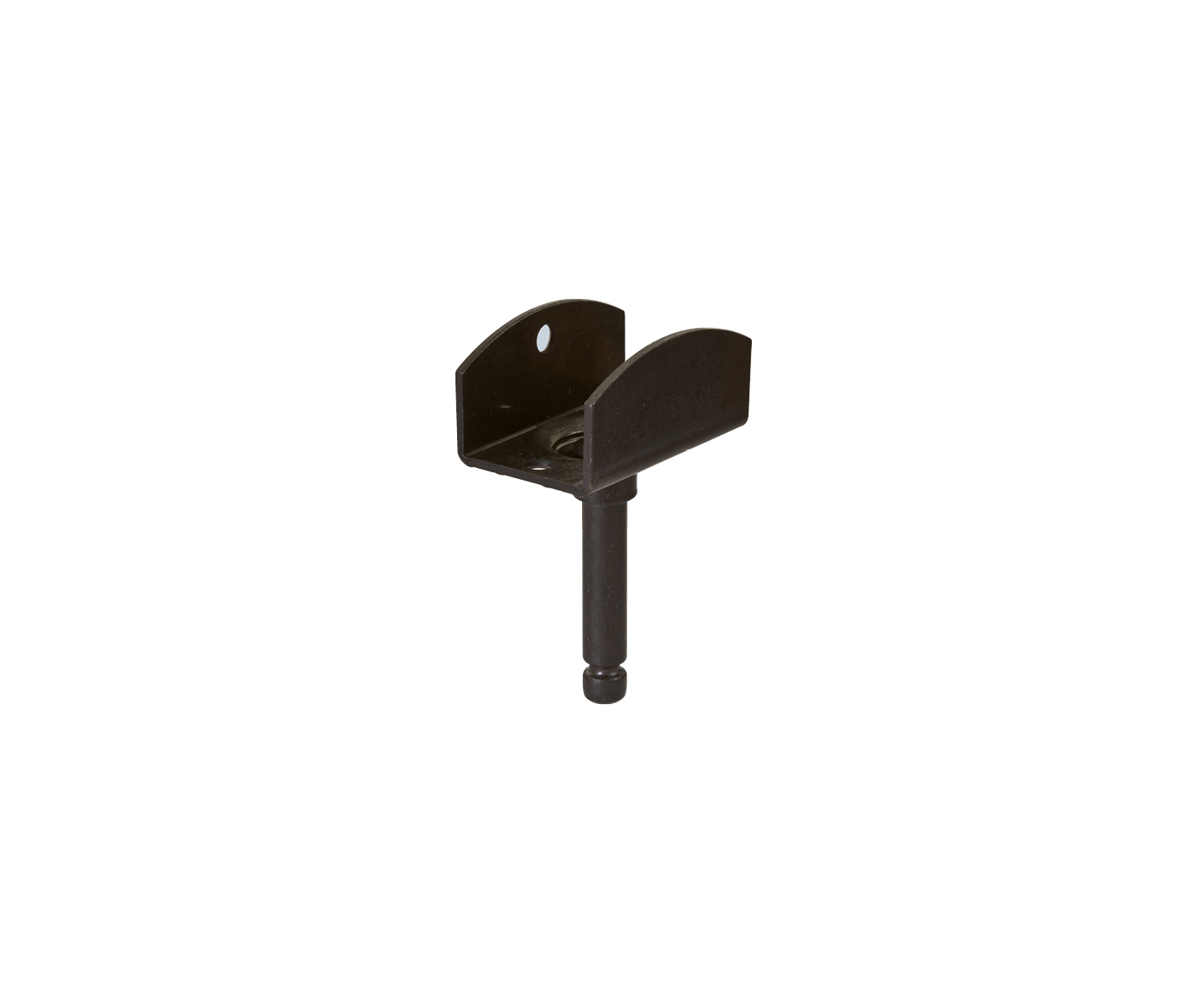
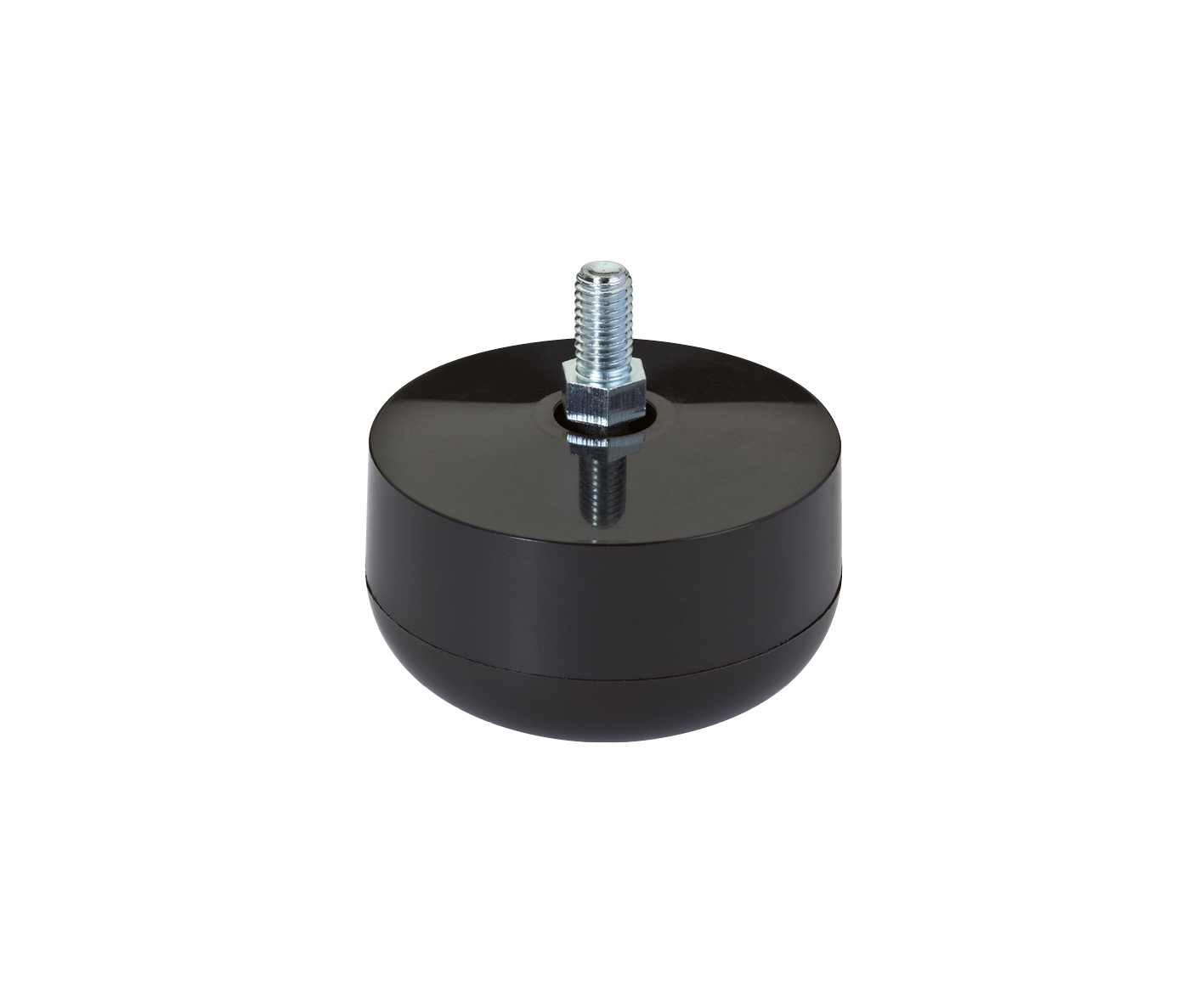
  • mounting system (plate, smooth pin, threaded pin, or sleeve)
  • optional braking system

Once installed, the castor allows:

  • smooth and controlled movement
  • proper load distribution
  • floor protection
  • reduction of friction and vibrations
  • improved ergonomics of use

Types of furniture castors

Furniture castors are available in various configurations, designed to meet specific functional, structural, and load-bearing requirements in both residential and professional settings.

The main types include:

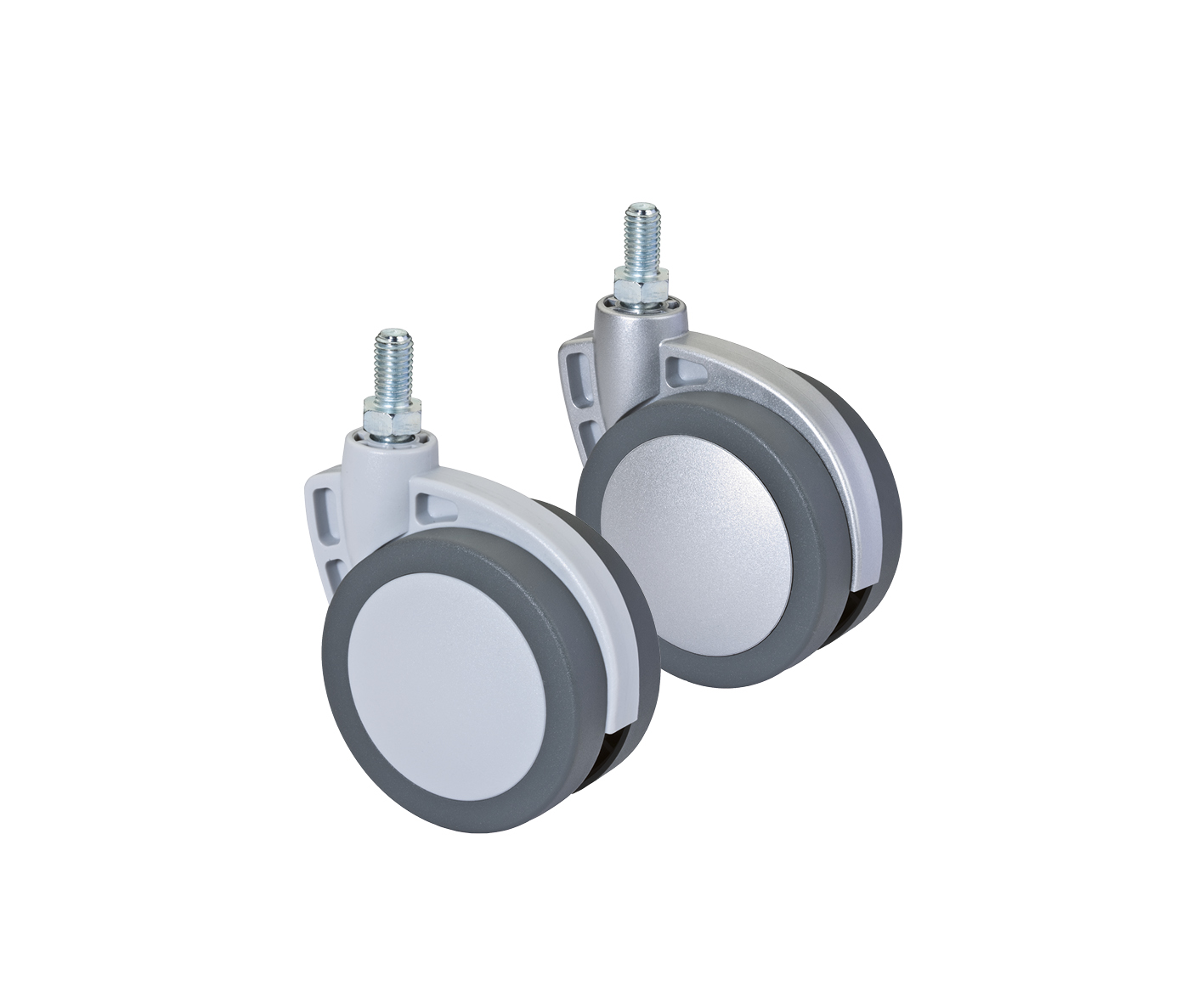
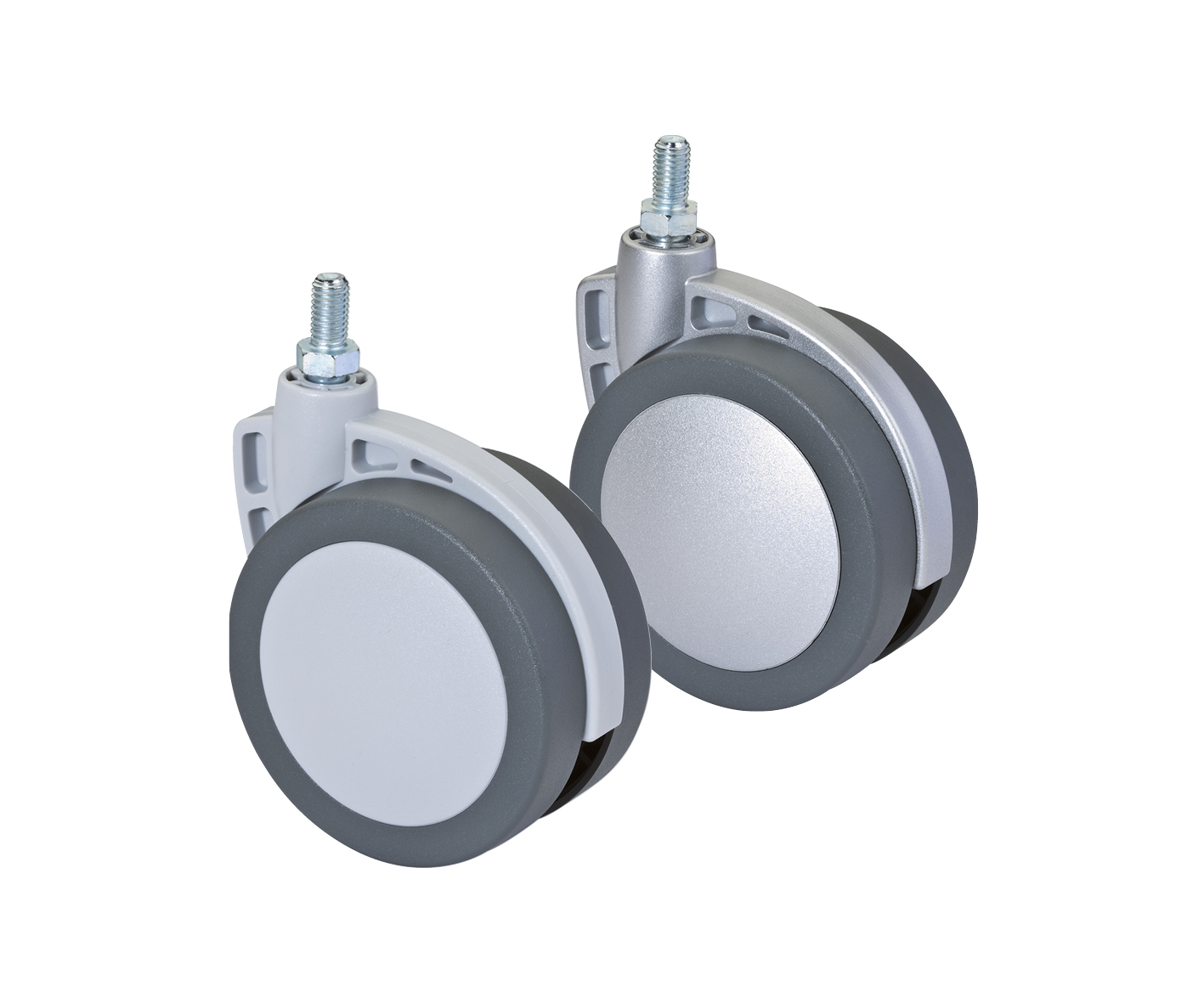
  • Swivel castors
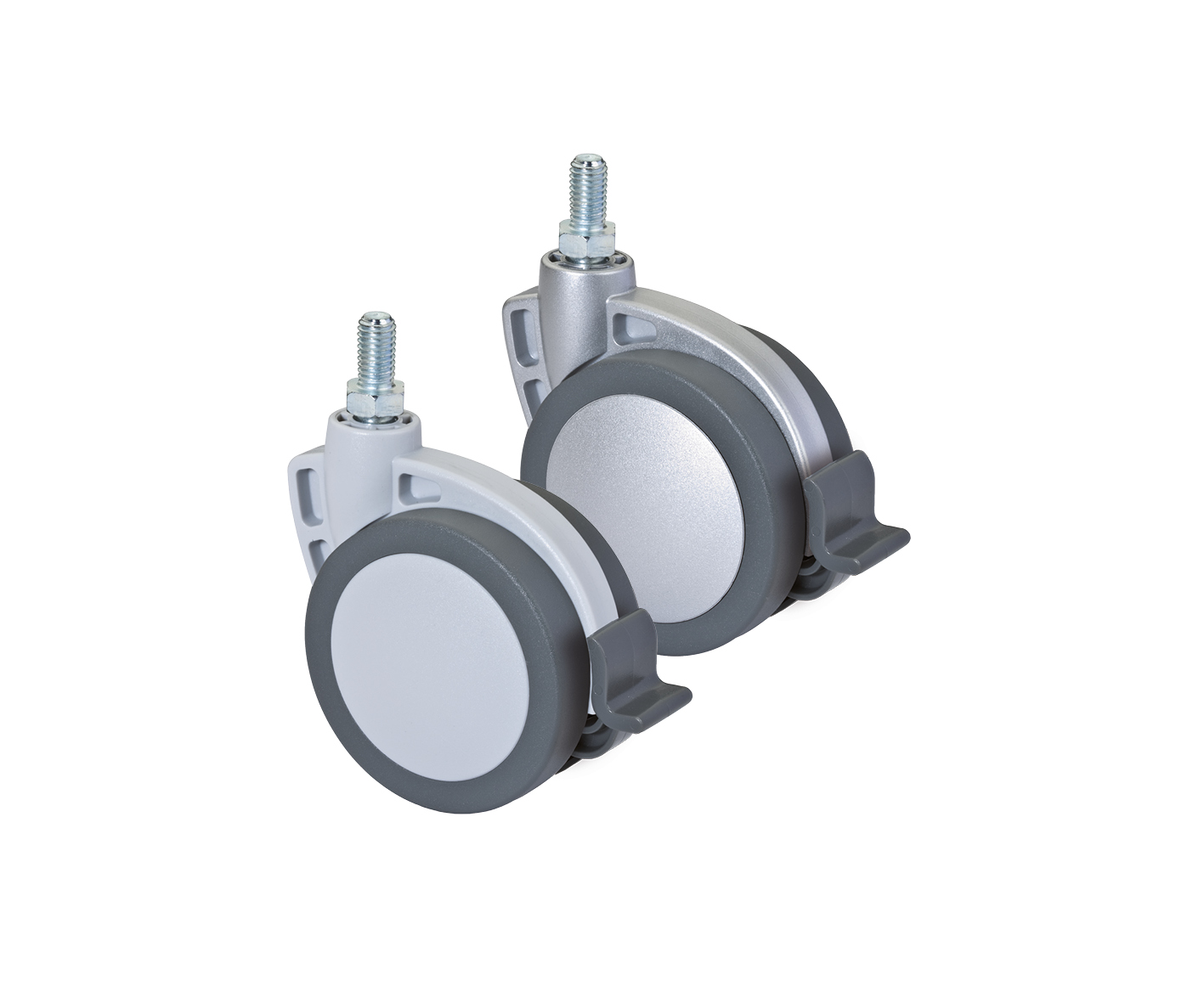
  • Swivel castors with brake
  • Self-locking swivel castors
  • Rubber swivel castors for delicate surfaces

The differences between the various types of furniture castors mainly concern:

  • load capacity (kg per castor)
  • diameter and overall height
  • mounting type (plate or pin)
  • castor body materials (nylon or rubber)
  • presence or absence of a brake
  • intended use (residential, professional, light industrial)

Materials and Technology of Furniture Castors

In furniture castors, the choice of material directly affects rolling smoothness, noise level, load capacity, and floor protection. Each material has specific characteristics depending on the intended application.

  • Rubber: quiet and shock-absorbing, ideal for parquet and delicate surfaces.
  • High-quality nylon: suitable for medium loads and hard surfaces, with low rolling resistance.
  • Zinc-plated or painted steel supports: provide structural strength, stability, and long-lasting durability.

Selecting the most suitable material depends on the weight of the furniture, floor type, frequency of movement, and usage environment (residential or professional).

How to choose furniture castors based on load and surface

Furniture castors should be selected by considering three main factors:

1. Load Capacity
Load capacity is the primary parameter when choosing furniture castors. Each castor is designed to support a maximum weight, expressed in kilograms (kg per castor).

To correctly calculate the required load capacity, you can use a simple formula: (Total weight of the furniture + contents) ÷ Number of castors = Minimum load per castor. To ensure safety and long-term durability, it is recommended to add a 20–30% safety margin to the calculated value, in order to compensate for uneven weight distribution.

Example: if a piece of furniture weighs 120 kg and is equipped with 4 castors: 120 ÷ 4 = 30 kg per castor. Applying a safety margin → it is advisable to choose castors with a minimum capacity of 40 kg each.

A correct evaluation of load capacity prevents deformation, premature wear, and reduced stability during movement.

2. Type of Flooring
The type of flooring directly affects the choice of castor material, influencing smoothness, noise level, and surface protection.

In general:
Parquet and delicate surfaces → rubber castors are recommended, as they absorb vibrations and reduce the risk of scratches
Porcelain stoneware, ceramic, and hard surfaces → nylon castors are suitable due to their low rolling resistance
Concrete or industrial surfaces → nylon castors are recommended

Choosing the wrong material may cause floor damage, increased noise, and greater effort during movement. For this reason, it is always important to assess the usage environment before defining the technical configuration.

3. Frequency of Use
The frequency of movement affects both the structure and materials of furniture castors.
Occasional use (residential environments) → standard load capacity and softer materials are generally sufficient
Frequent use (offices, technical furniture, contract environments) → castors with higher wear resistance and reinforced supports are recommended
Intensive use (professional or light industrial environments) → it is preferable to choose castors with high load capacity, robust steel supports, and highly durable materials

Considering frequency of use helps prevent premature wear, reduced smoothness, and maintenance costs over time.

Features and benefits of furniture castors

Furniture castors improve space management by making furniture and structures easy to move without compromising stability and safety.

  • easy movement even with heavy loads
  • improved ergonomics in work environments
  • surface protection through the use of suitable materials
  • quick installation with plate or pin mounting systems
  • reduced physical effort during handling
  • adaptability to residential, commercial, and light industrial environments

From a design perspective, castors allow a static element to be transformed into a dynamic system, enhancing flexibility, modularity, and the optimization of operational spaces.

Application of furniture castor

Furniture castors can be used for:

  • residential furniture
  • technical and office furniture
  • chairs
  • workbenches
  • carts and trolleys
  • display units
  • contract furniture

Answers to frequently asked questions

What load capacity should I choose for a furniture castor?2026-03-24T14:59:50+01:00

The load capacity of a furniture castor is calculated by dividing the total weight of the furniture (including its contents) by the number of castors installed. To ensure safety and durability, it is recommended to add a 20–30% margin to the calculated value in order to compensate for uneven load distribution.

When should I choose swivel castors for furniture?2026-03-24T15:01:20+01:00

Swivel castors are ideal when high maneuverability is required, such as for chairs, carts, or furniture that needs to be moved frequently. They allow 360° rotation and make direction changes easier, improving ergonomics and space flexibility.

Do furniture castors damage floors?2026-03-24T15:02:52+01:00

Furniture castors do not damage floors if they are selected according to the surface. For parquet or delicate flooring, rubber castors are recommended as they reduce scratches and marks. Choosing the right material is essential to protect flooring over time.

When is a brake necessary on furniture castors?2026-03-24T15:04:34+01:00

A brake is necessary when the furniture needs to remain stable after being moved or when placed on slightly inclined surfaces. Castors with brakes improve safety and prevent accidental movement, especially in professional or high-traffic environments.

How are furniture castors installed?2026-03-24T15:06:51+01:00

Furniture castors can be installed using a plate fixed with screws or via a pin (smooth or threaded) inserted into a pre-drilled hole. It is important to check compatibility, load capacity, and proper alignment to ensure stability and long-term durability.

What diameter should I choose for furniture castors?2026-03-24T15:08:24+01:00

The diameter of furniture castors affects smoothness and the ability to overcome small obstacles. Larger diameter wheels roll more easily and require less effort, especially with heavy loads. Smaller diameters may be sufficient for lightweight furniture.

Can furniture castors be customized?2026-03-24T15:10:14+01:00

Yes, furniture castors can be customized by selecting diameter, load capacity, materials, and mounting systems. Finishes can also be customized, although black is the most common color. This allows the product to be tailored to specific technical and design requirements, especially in B2B contexts.

Go to Top