
Swivel castors
Answers to frequently asked questions
The load capacity of a furniture castor is calculated by dividing the total weight of the furniture (including its contents) by the number of castors installed. To ensure safety and durability, it is recommended to add a 20–30% margin to the calculated value in order to compensate for uneven load distribution.
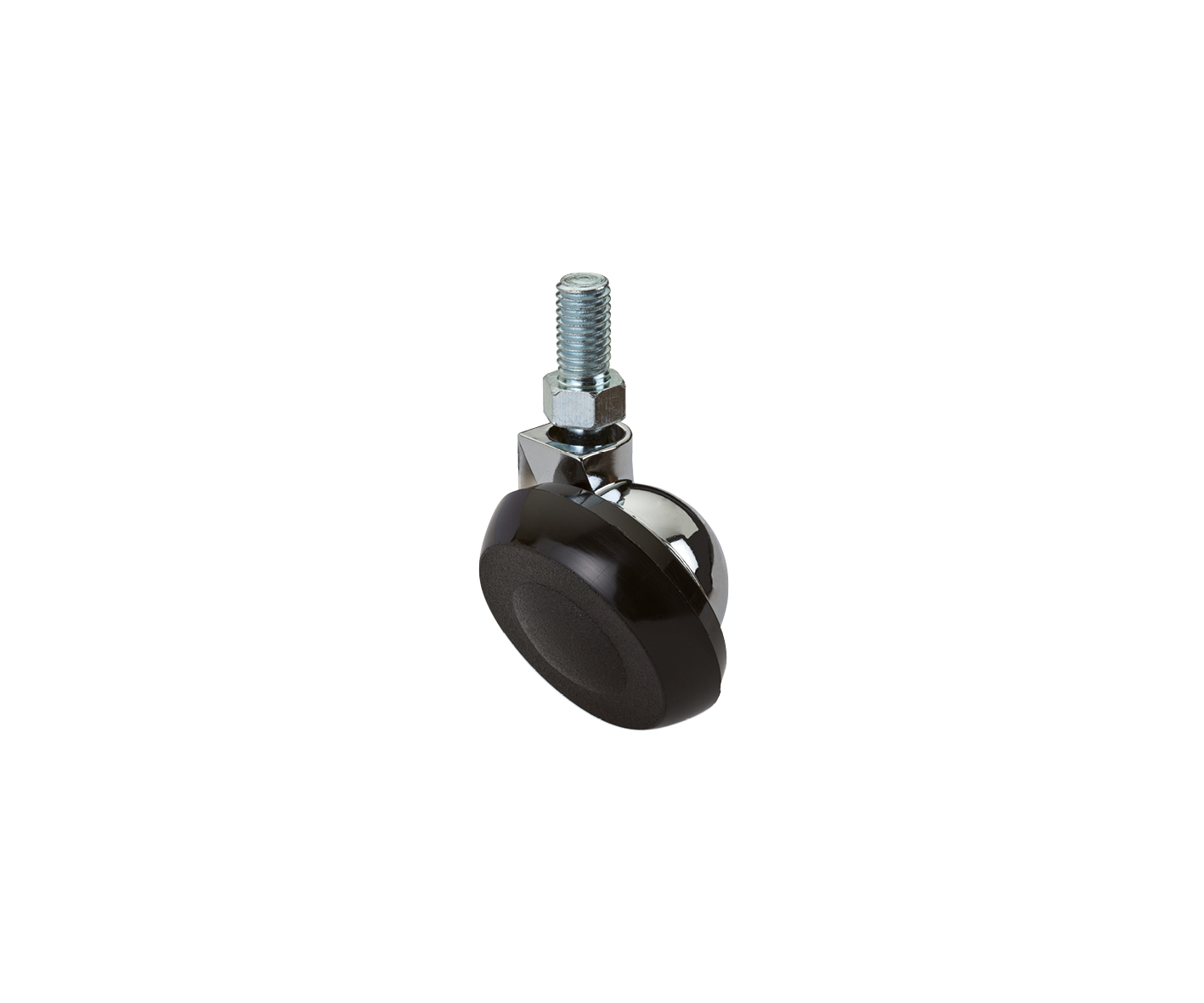
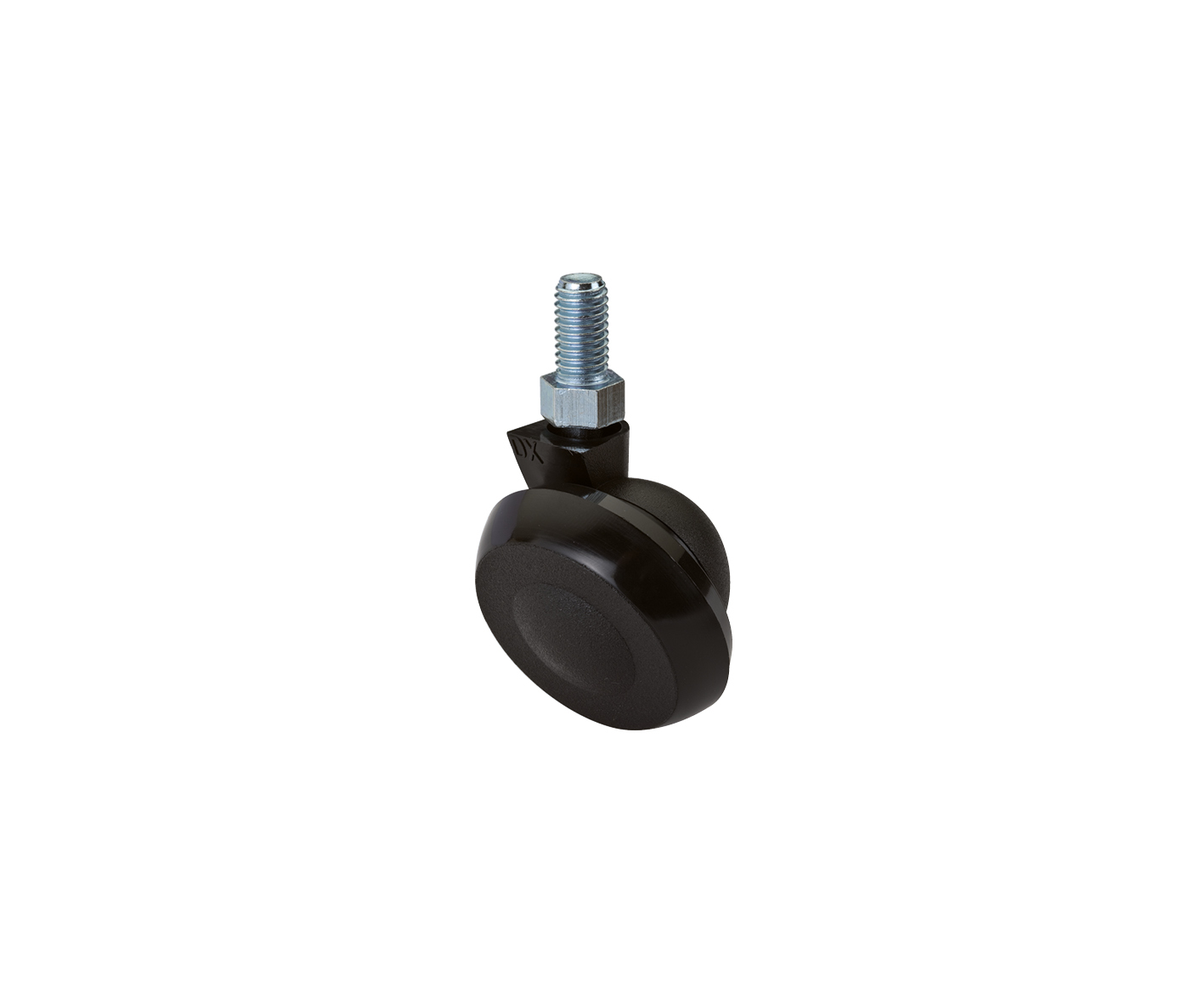
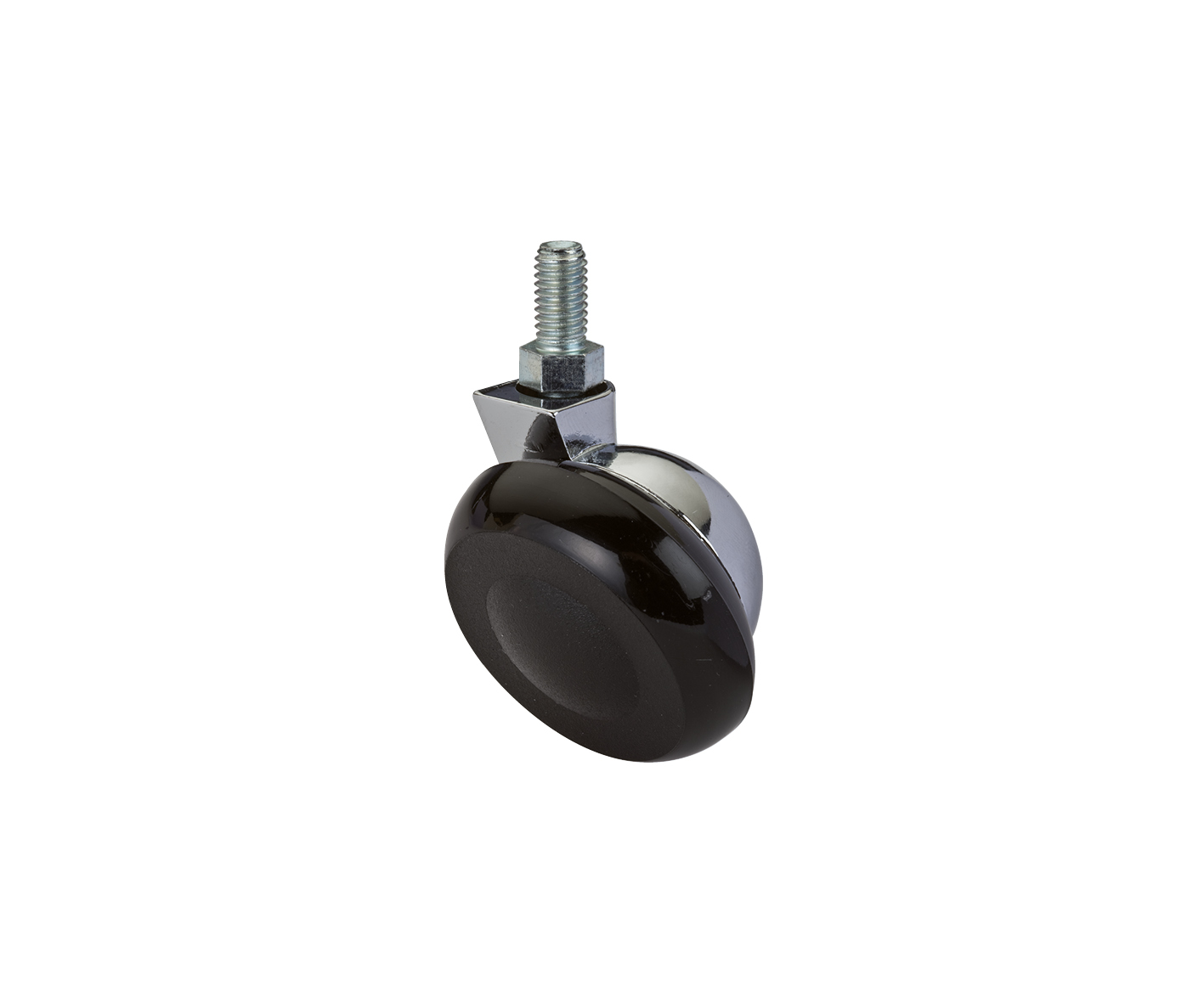
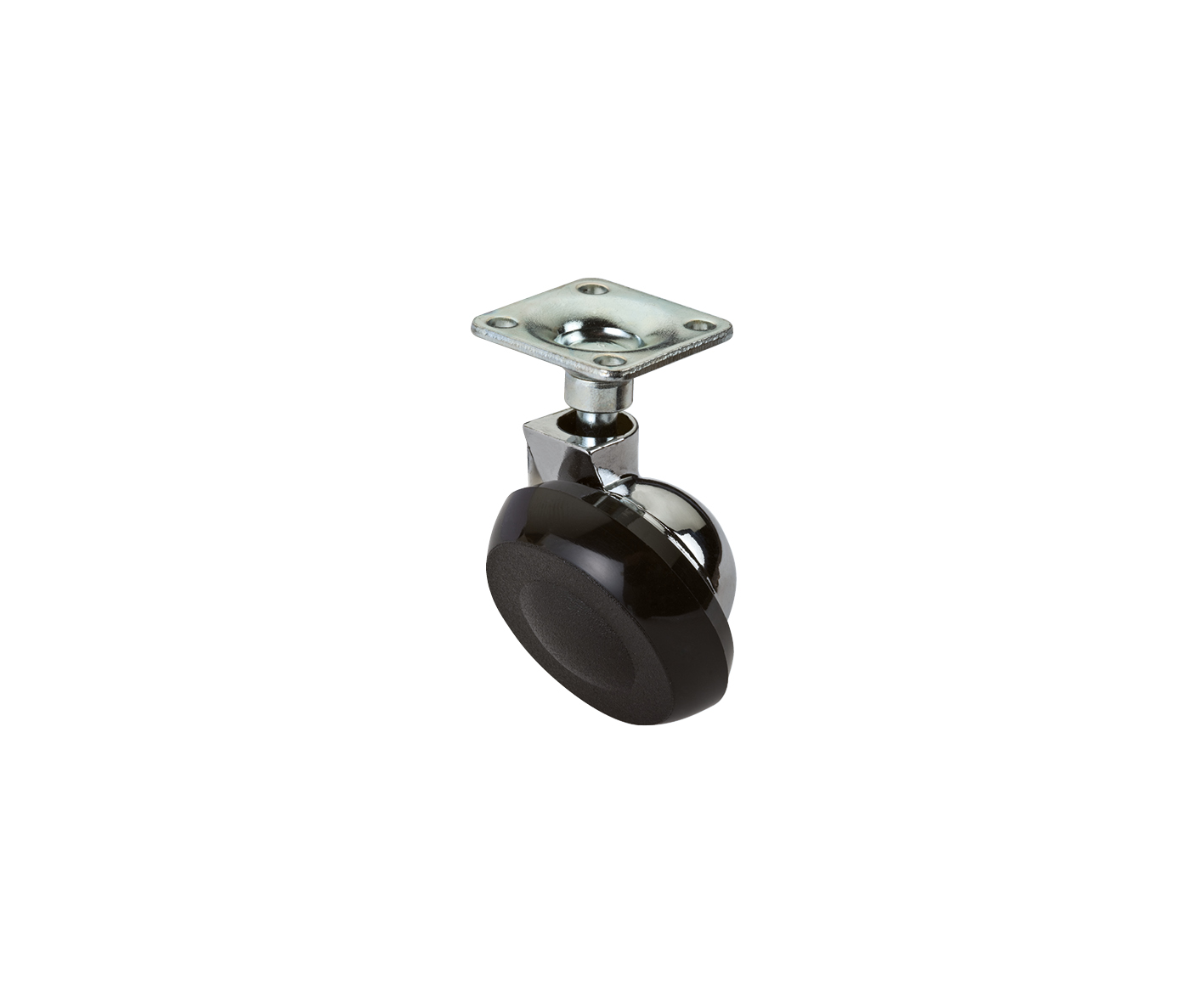
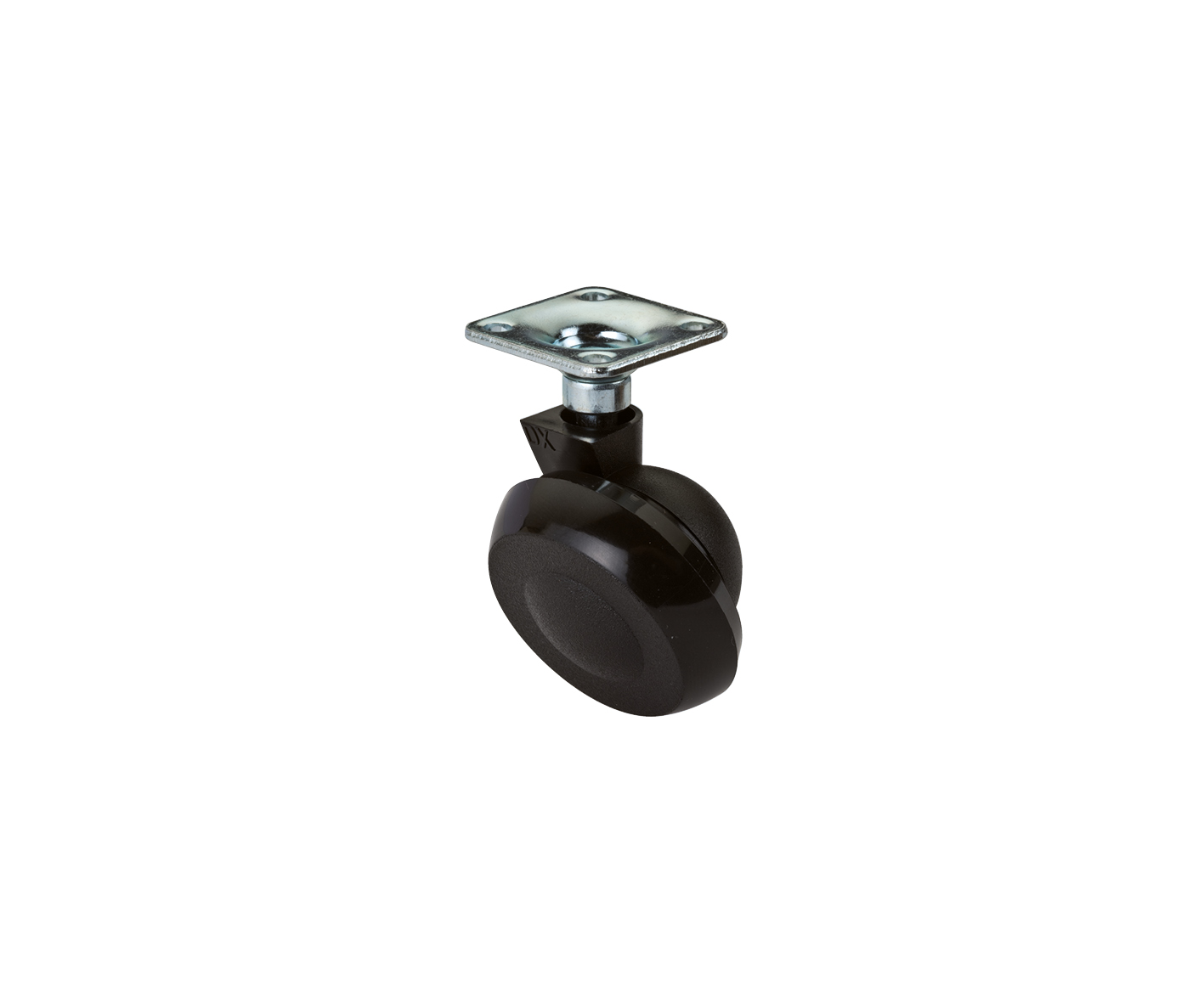
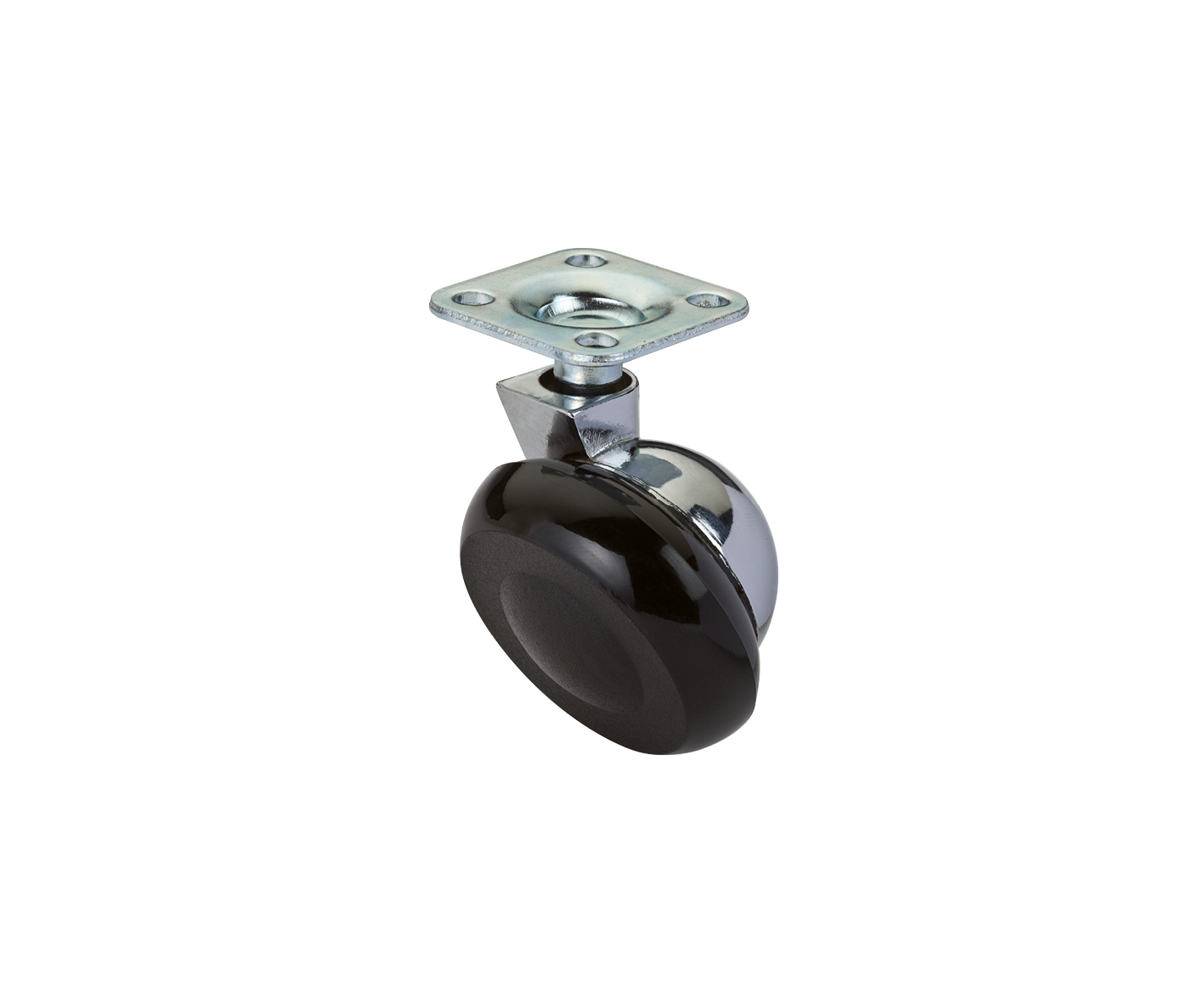
Swivel castors are ideal when high maneuverability is required, such as for chairs, carts, or furniture that needs to be moved frequently. They allow 360° rotation and make direction changes easier, improving ergonomics and space flexibility.
Furniture castors do not damage floors if they are selected according to the surface. For parquet or delicate flooring, rubber castors are recommended as they reduce scratches and marks. Choosing the right material is essential to protect flooring over time.
A brake is necessary when the furniture needs to remain stable after being moved or when placed on slightly inclined surfaces. Castors with brakes improve safety and prevent accidental movement, especially in professional or high-traffic environments.
Furniture castors can be installed using a plate fixed with screws or via a pin (smooth or threaded) inserted into a pre-drilled hole. It is important to check compatibility, load capacity, and proper alignment to ensure stability and long-term durability.
The diameter of furniture castors affects smoothness and the ability to overcome small obstacles. Larger diameter wheels roll more easily and require less effort, especially with heavy loads. Smaller diameters may be sufficient for lightweight furniture.
Yes, furniture castors can be customized by selecting diameter, load capacity, materials, and mounting systems. Finishes can also be customized, although black is the most common color. This allows the product to be tailored to specific technical and design requirements, especially in B2B contexts.