
Magnetic catches
Magnetic catches are devices designed to keep cabinet doors, furniture doors and panels securely closed through the attractive force of a magnet.
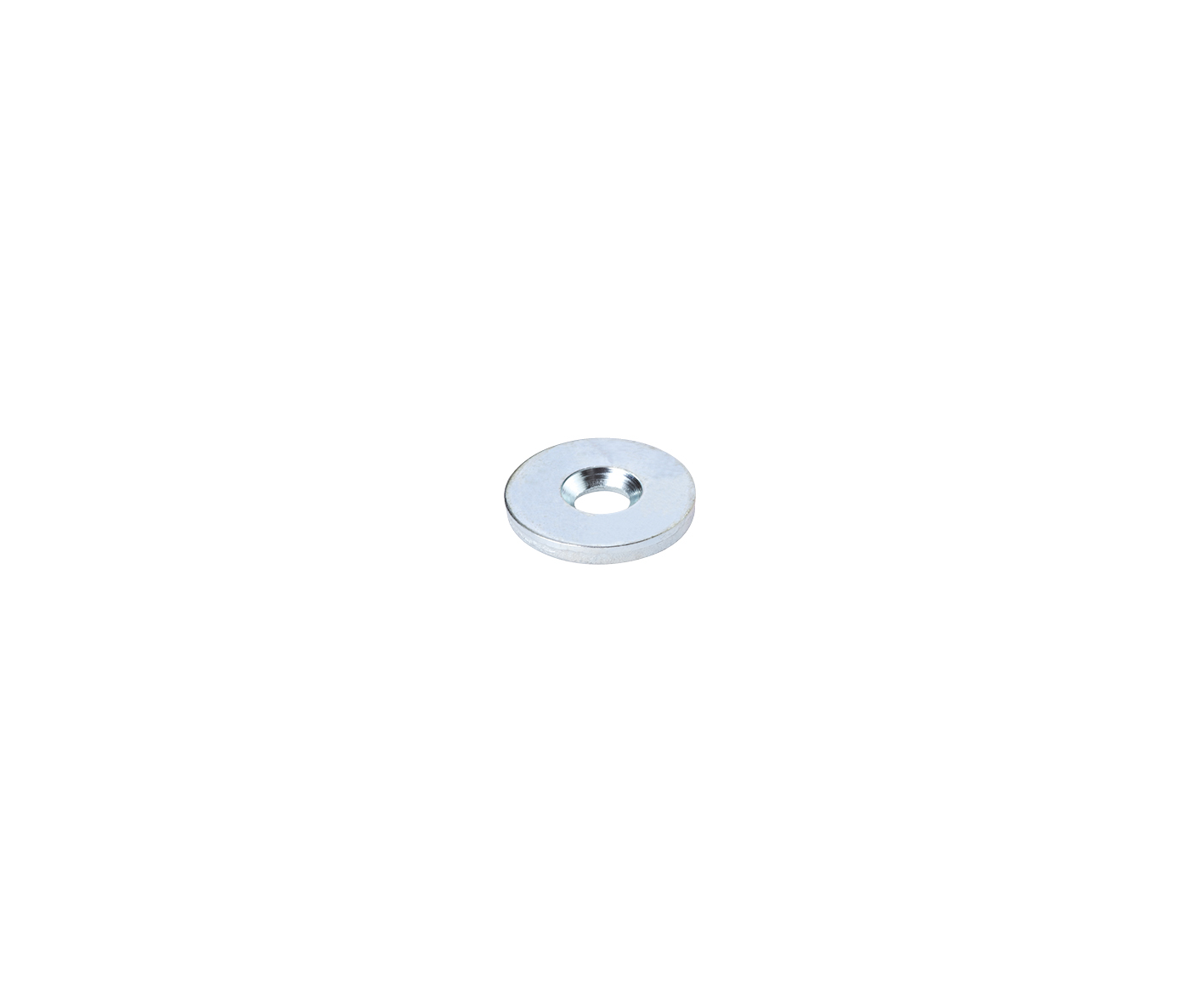
Ø mm. 15.
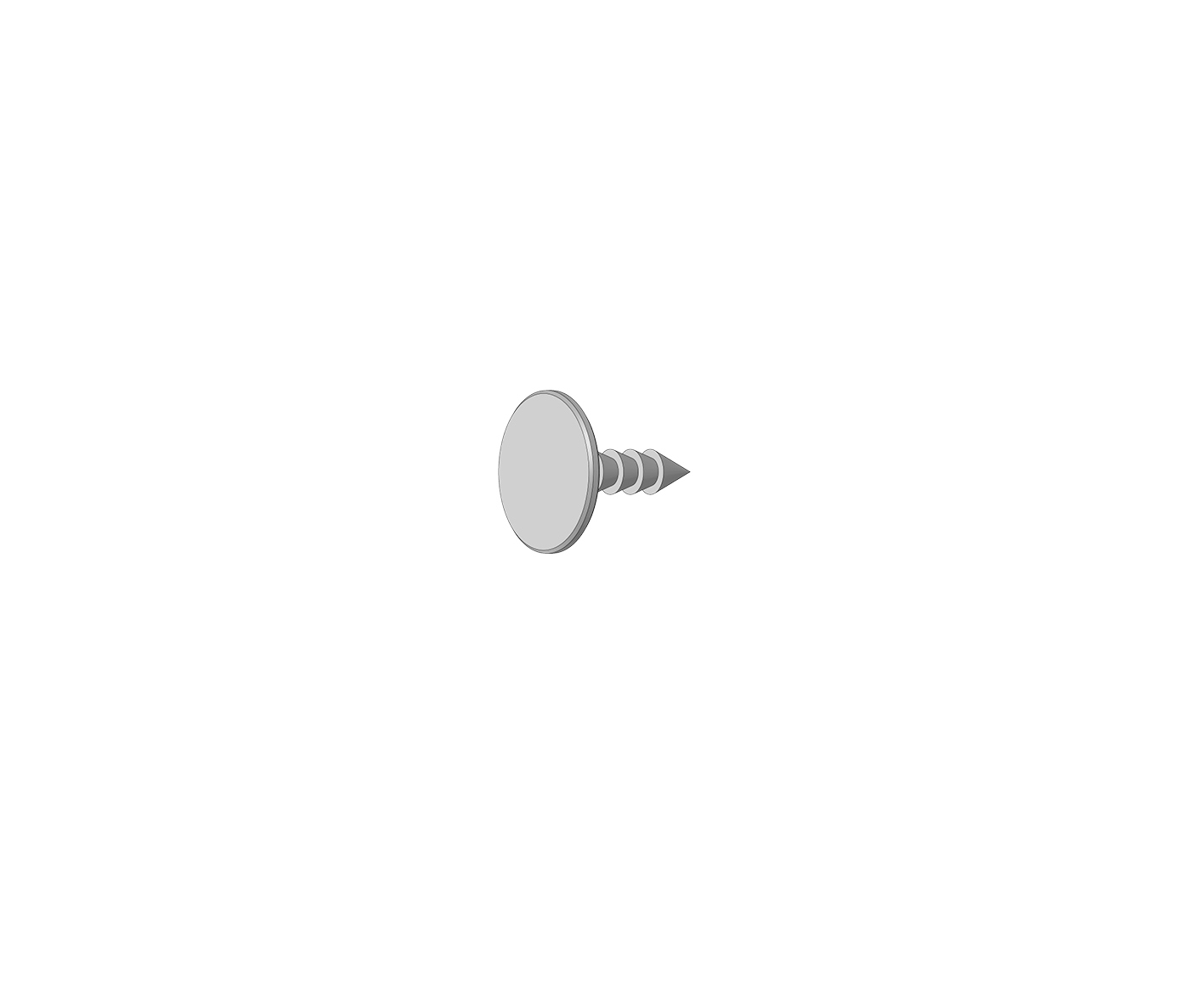
Ø mm. 10 – With nail.
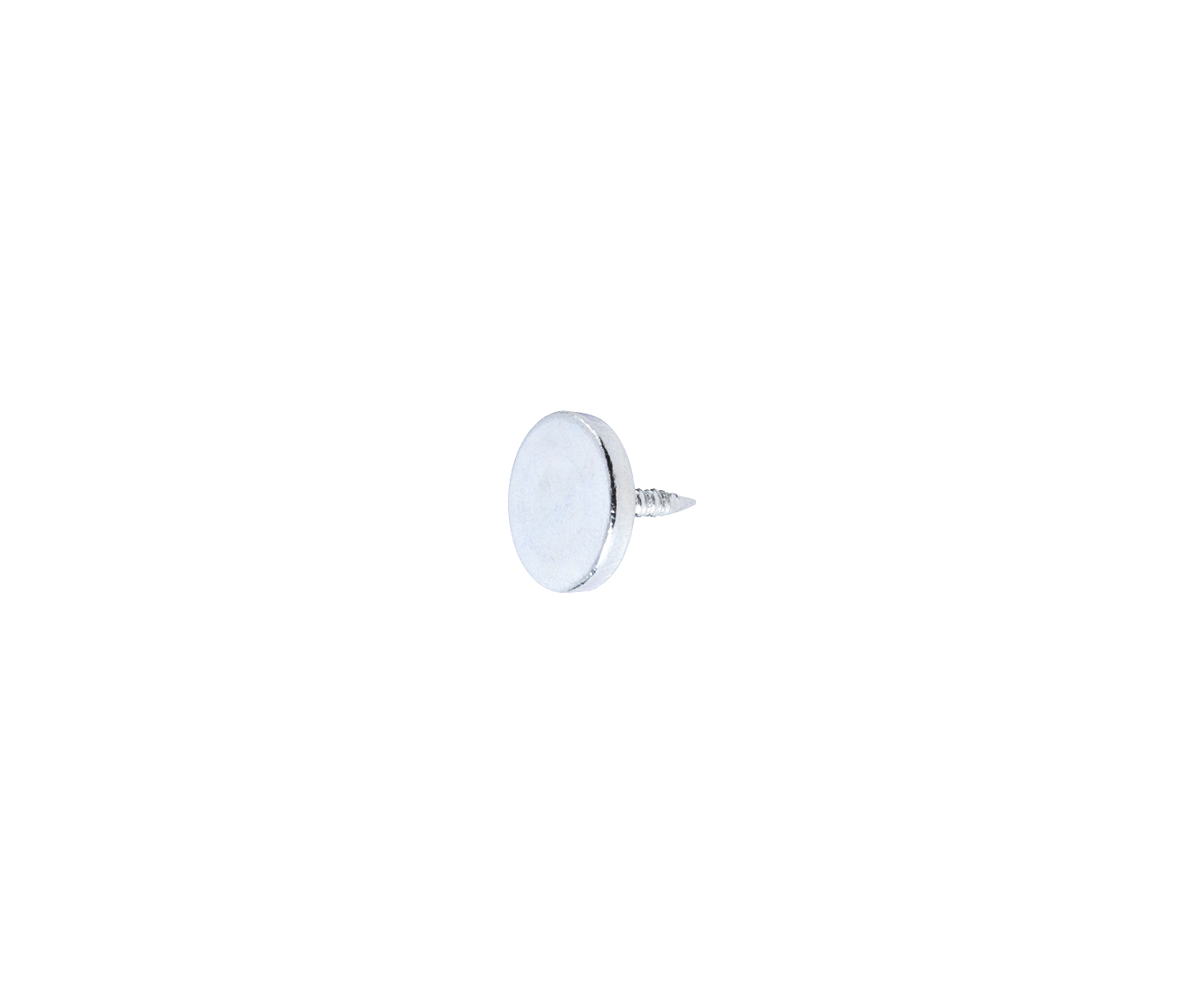
Ø mm. 15 – With screw.
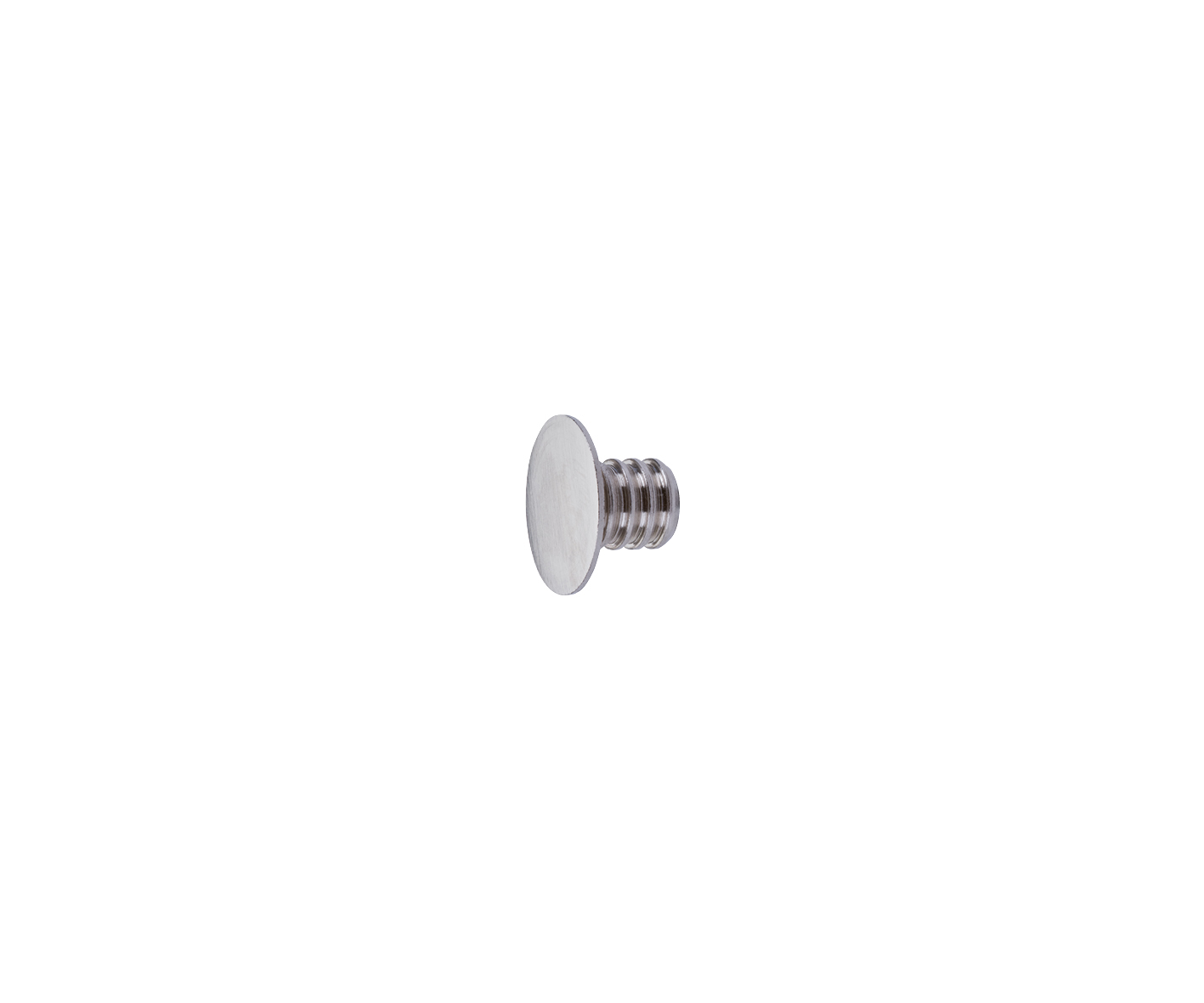
With pin.
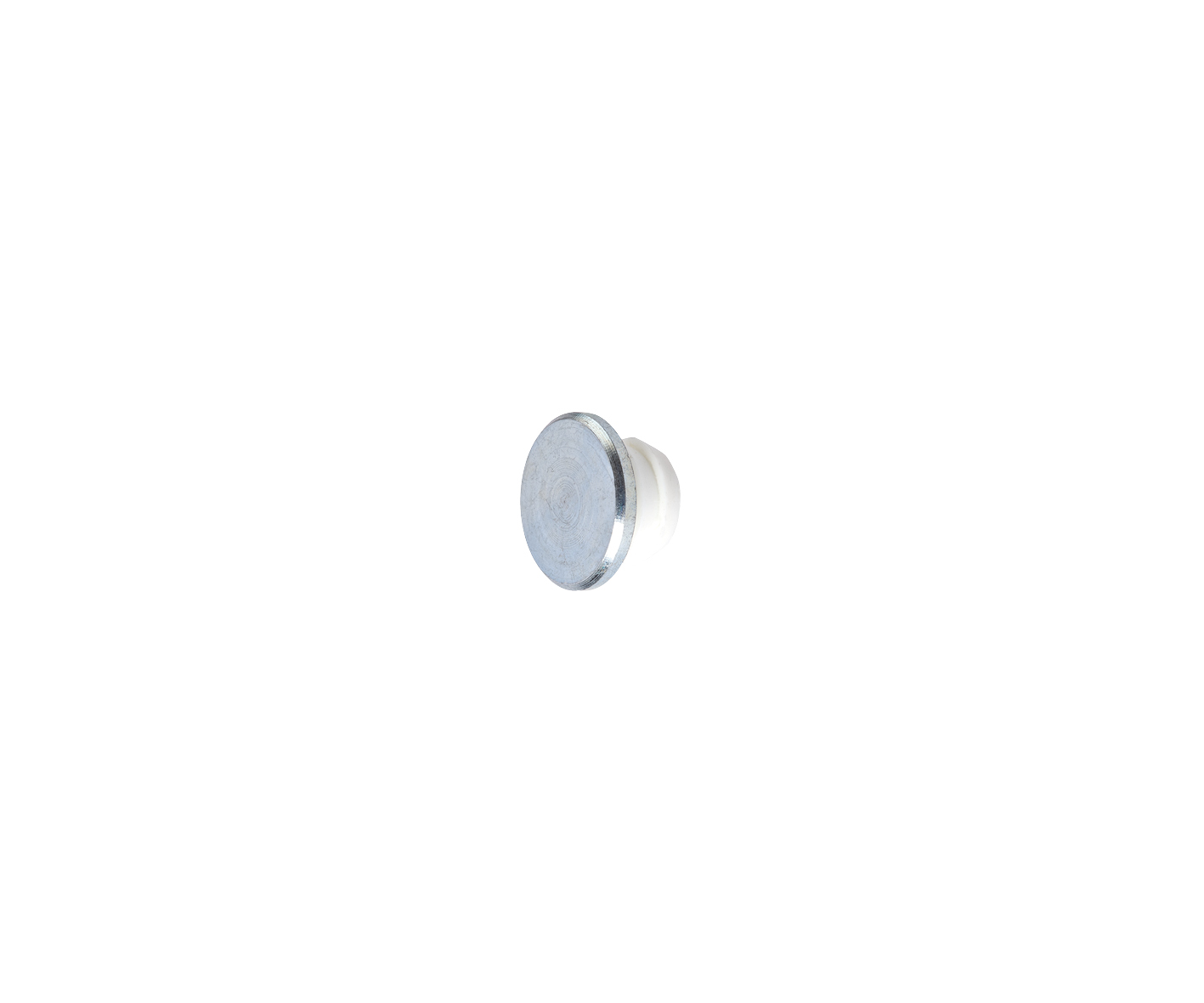
Ø mm. 15 – with plastic pin Ø mm. 10,5.
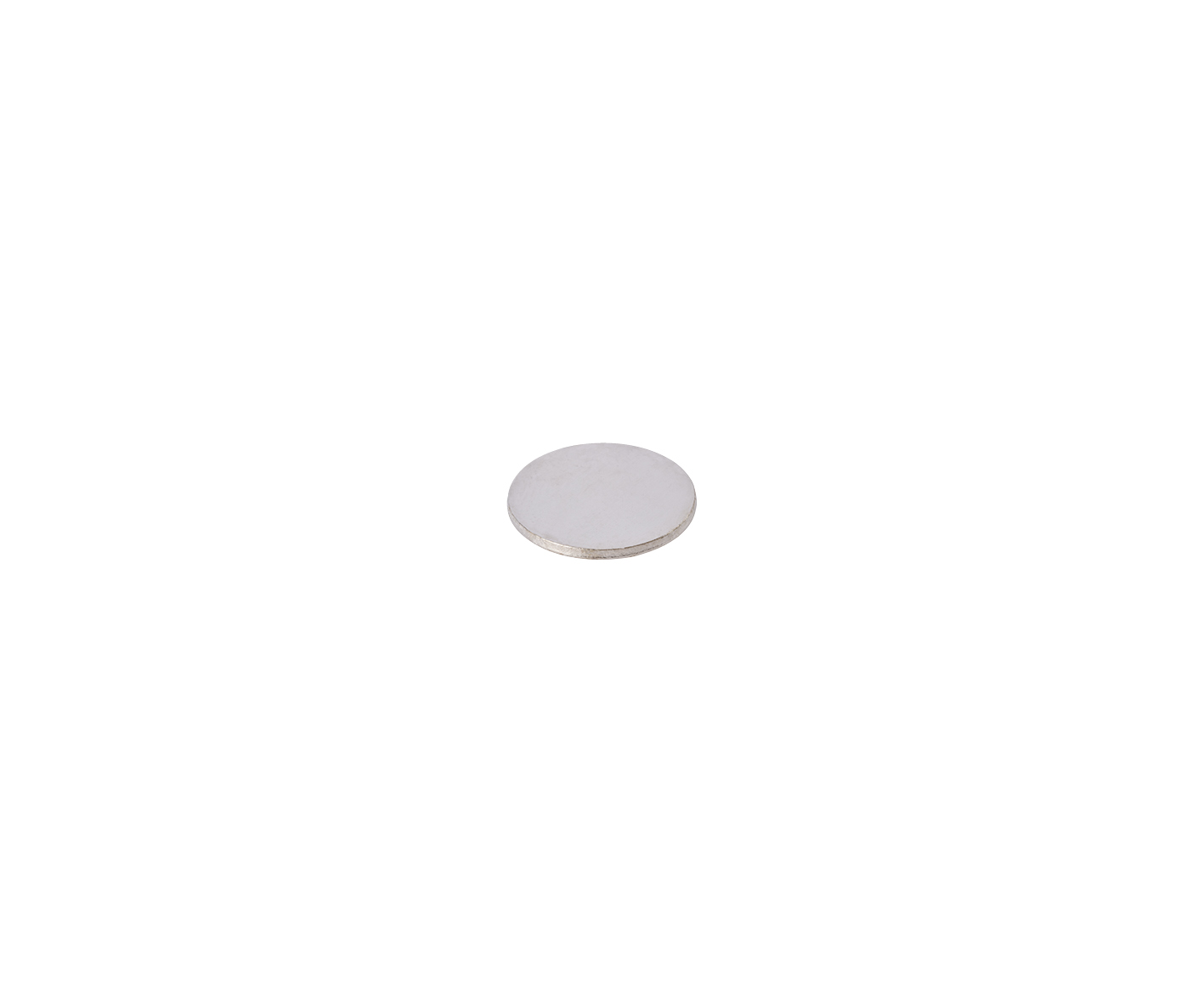
Ø mm. 15 with biadhesive.
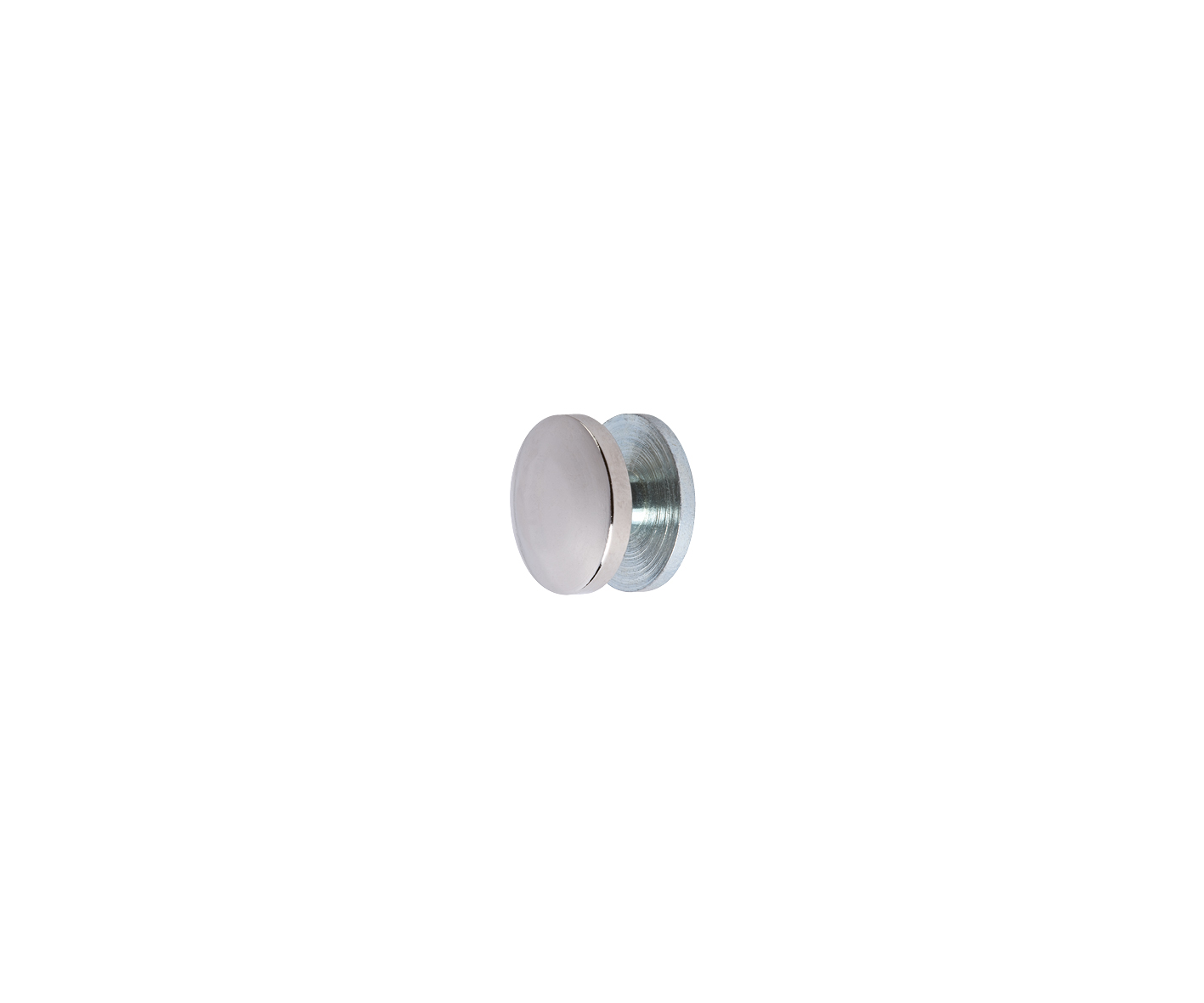
Ø mm. 15, with brass stud.
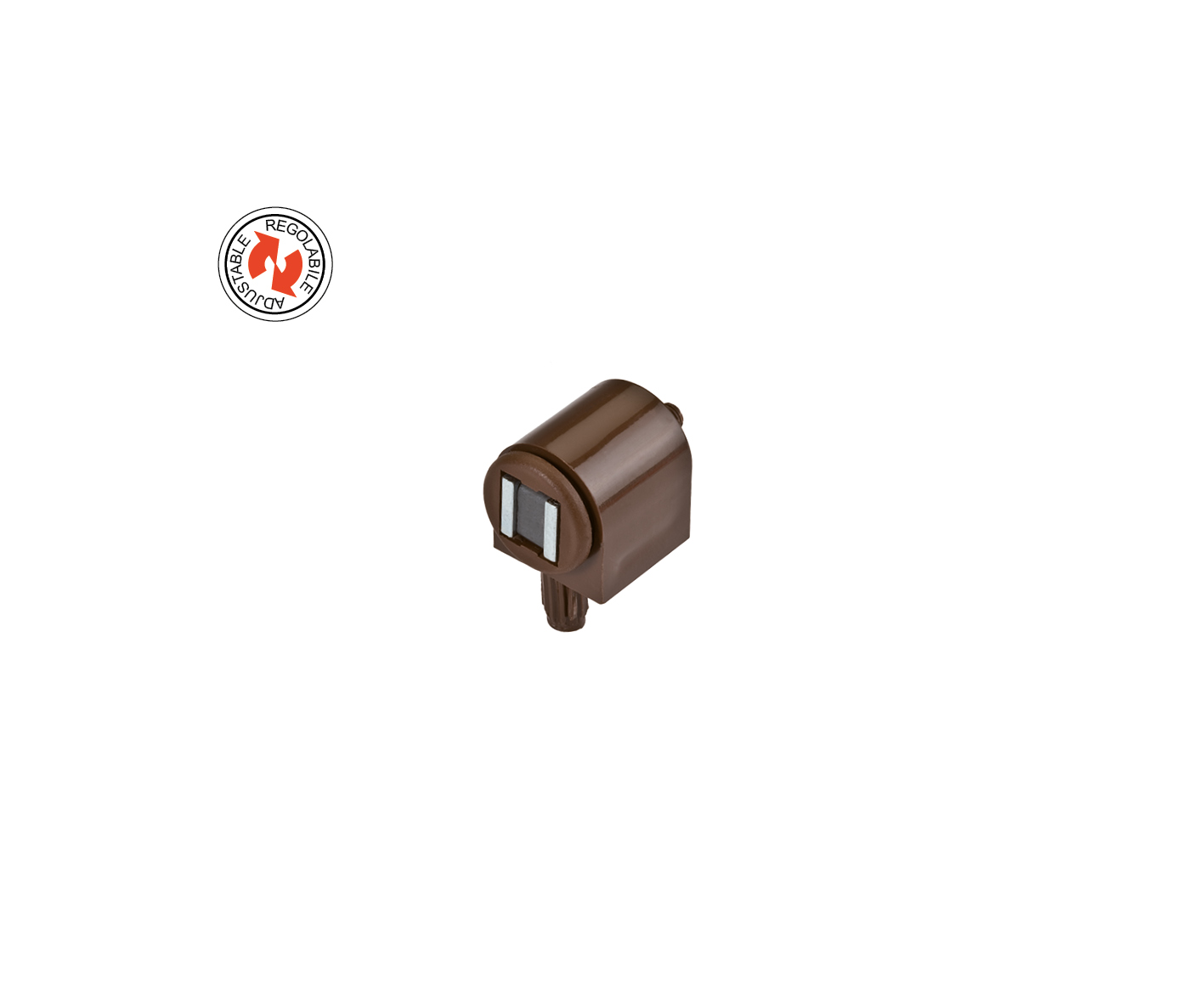
With pin Ø mm. 6.
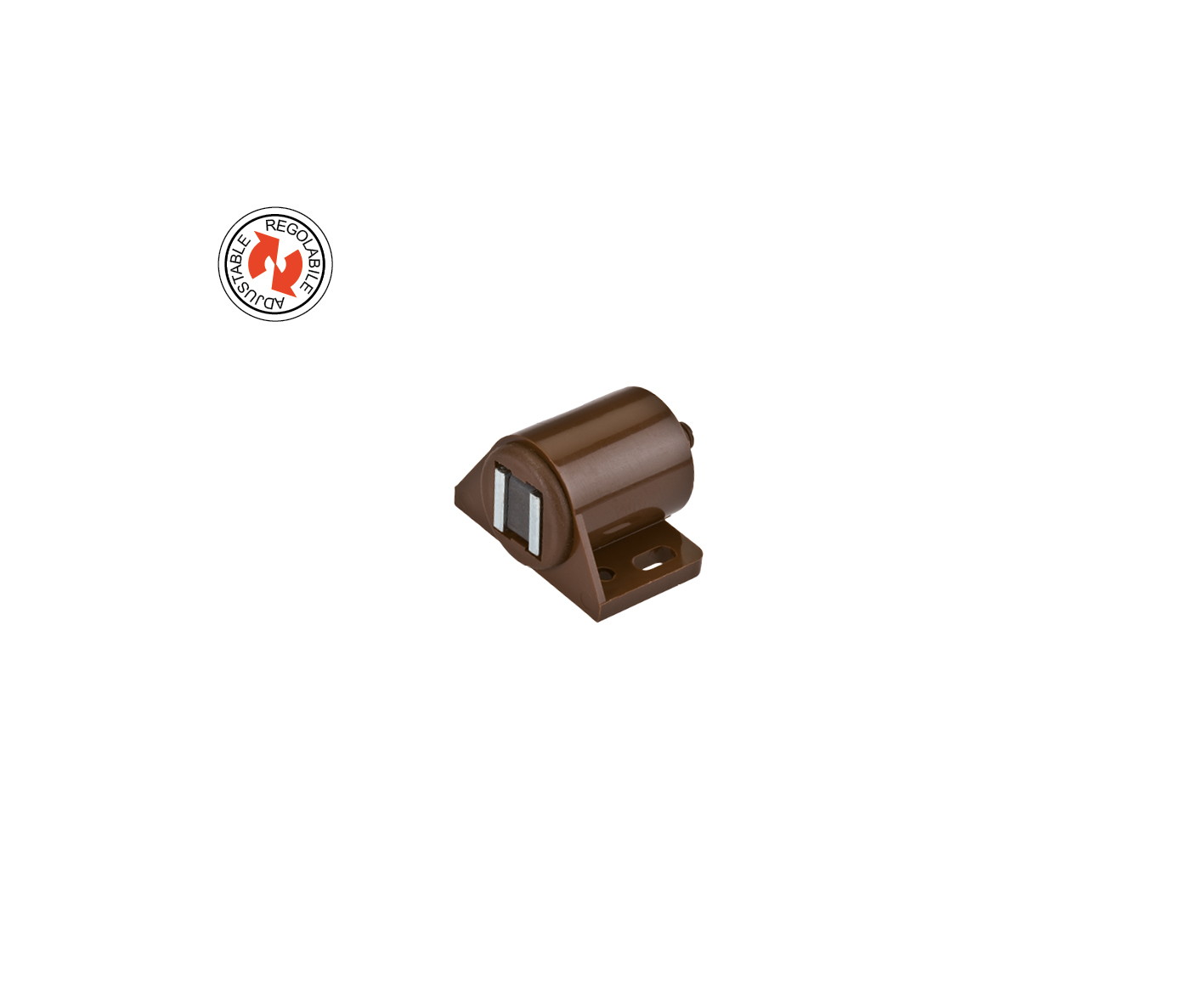
Screw-on.
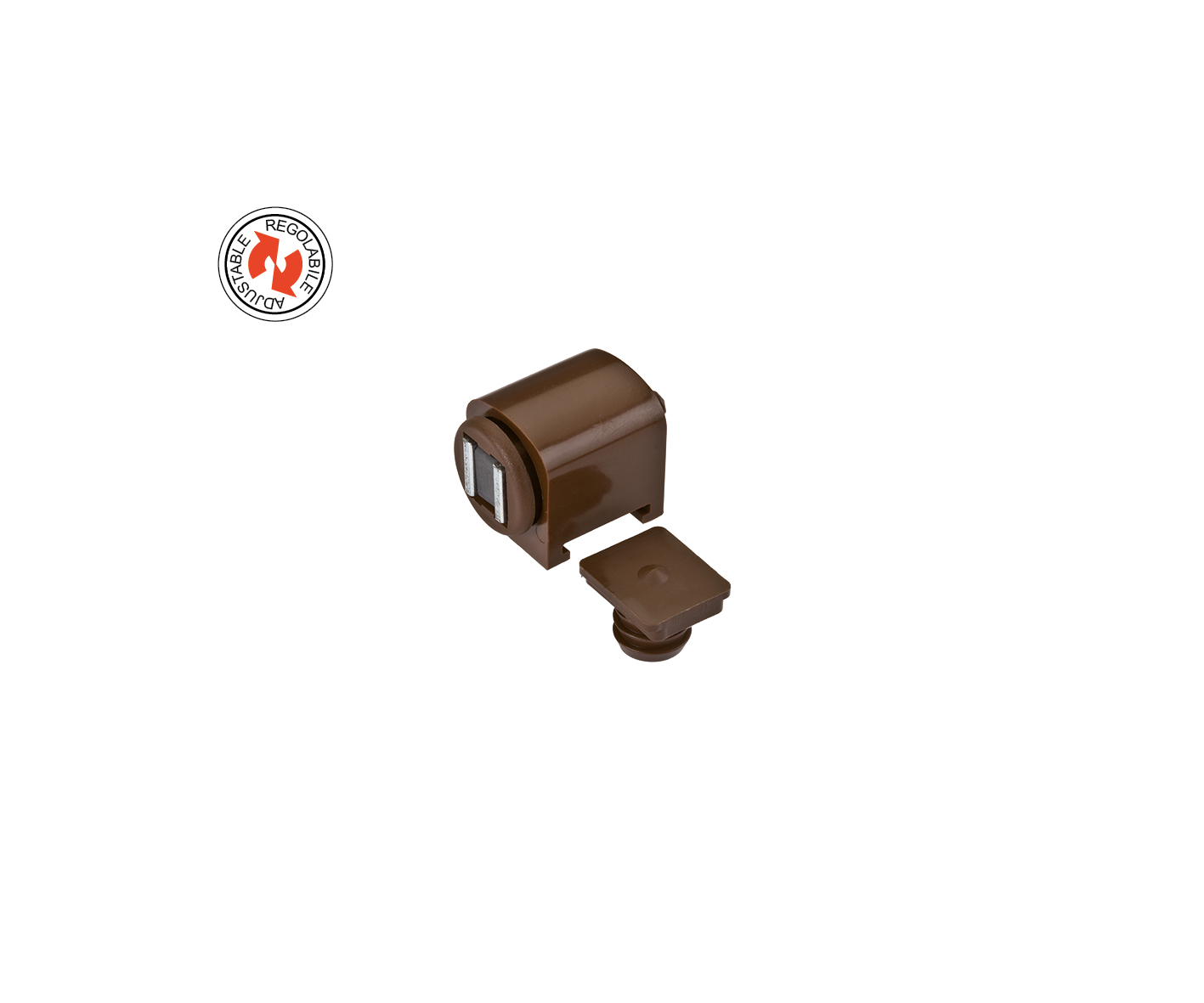
With nylon preassembling pin Ø mm. 10.
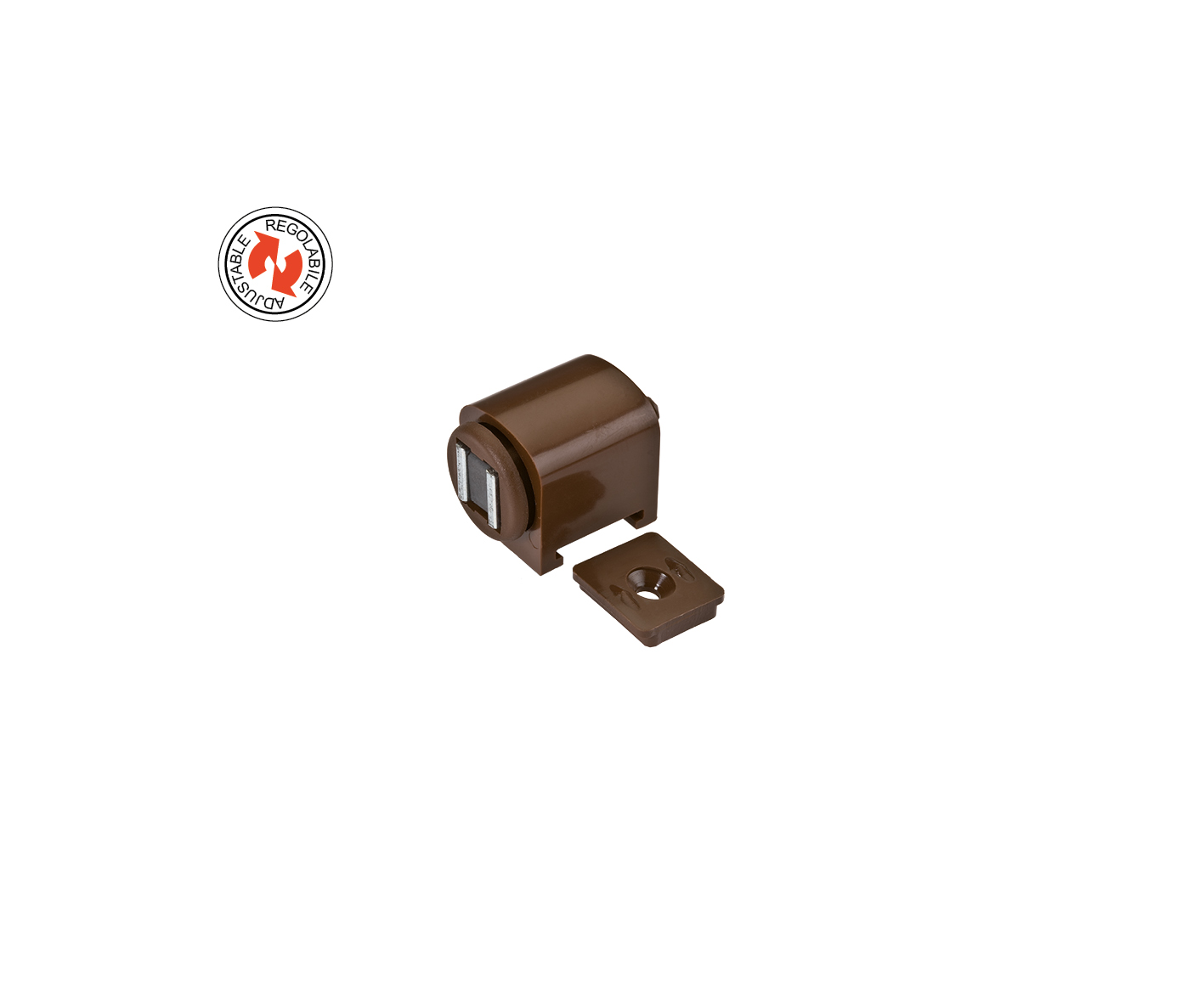
With nylon preassembling plate.
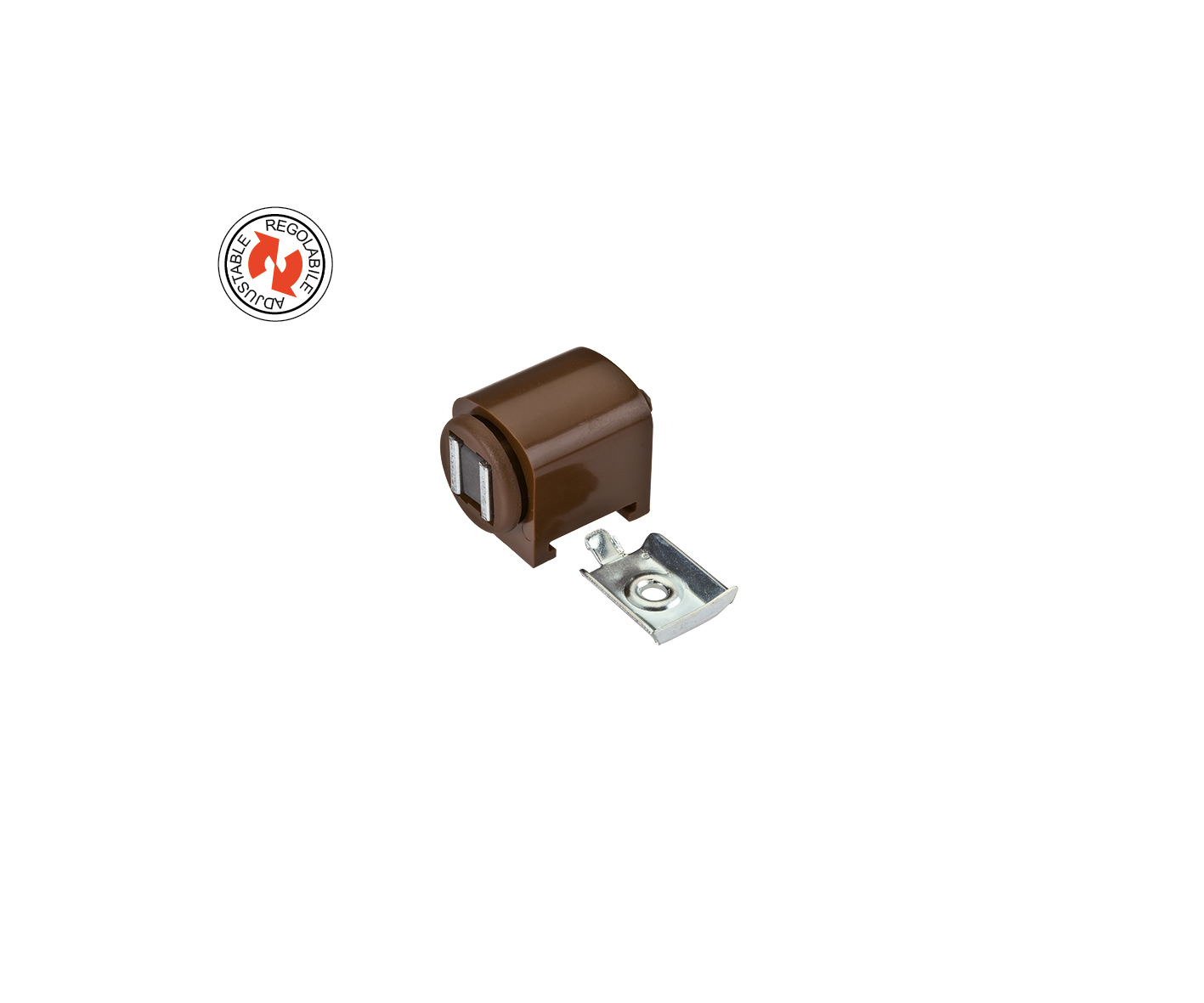
With metal preassembling plate.
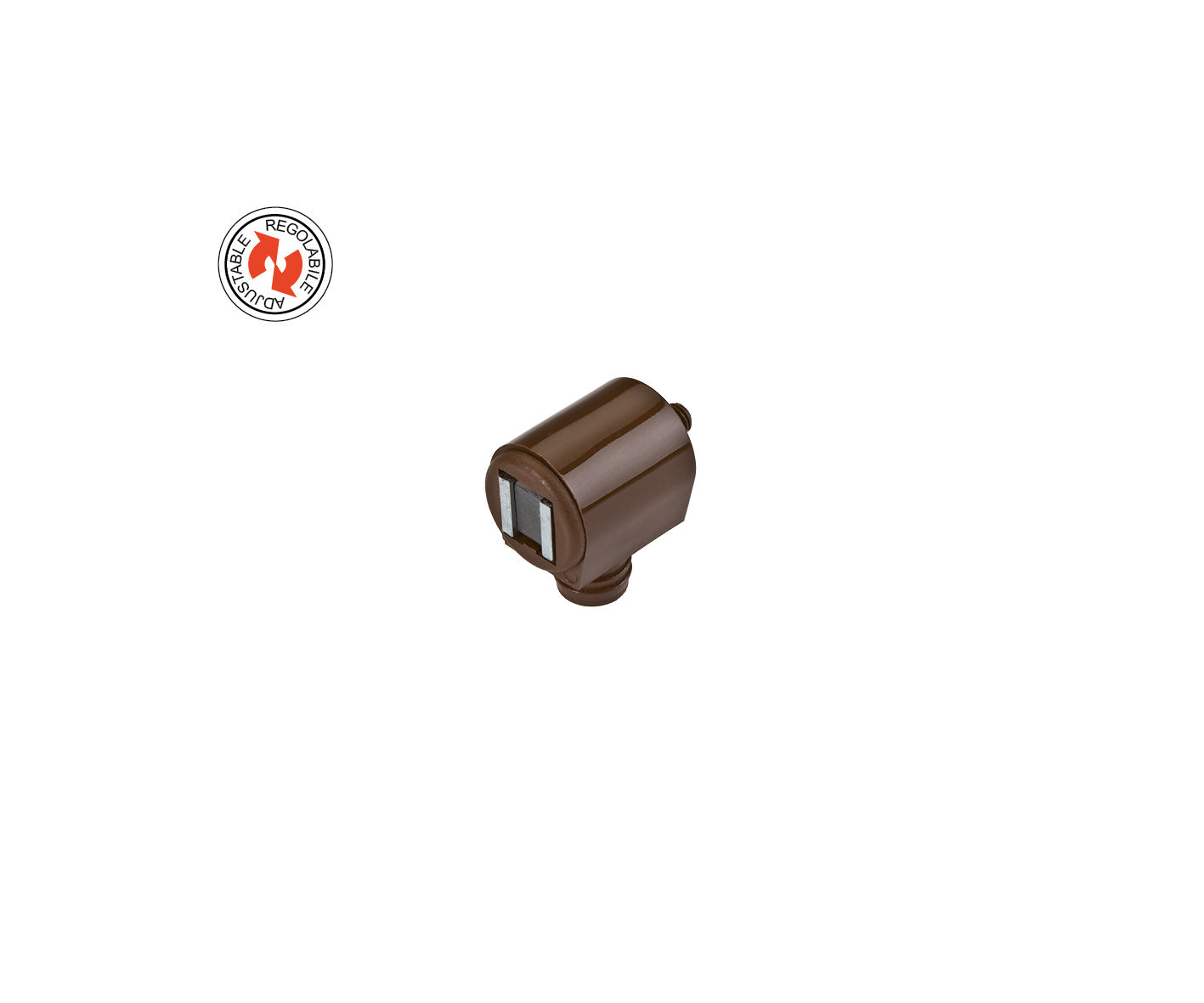
With pin Ø mm. 10.
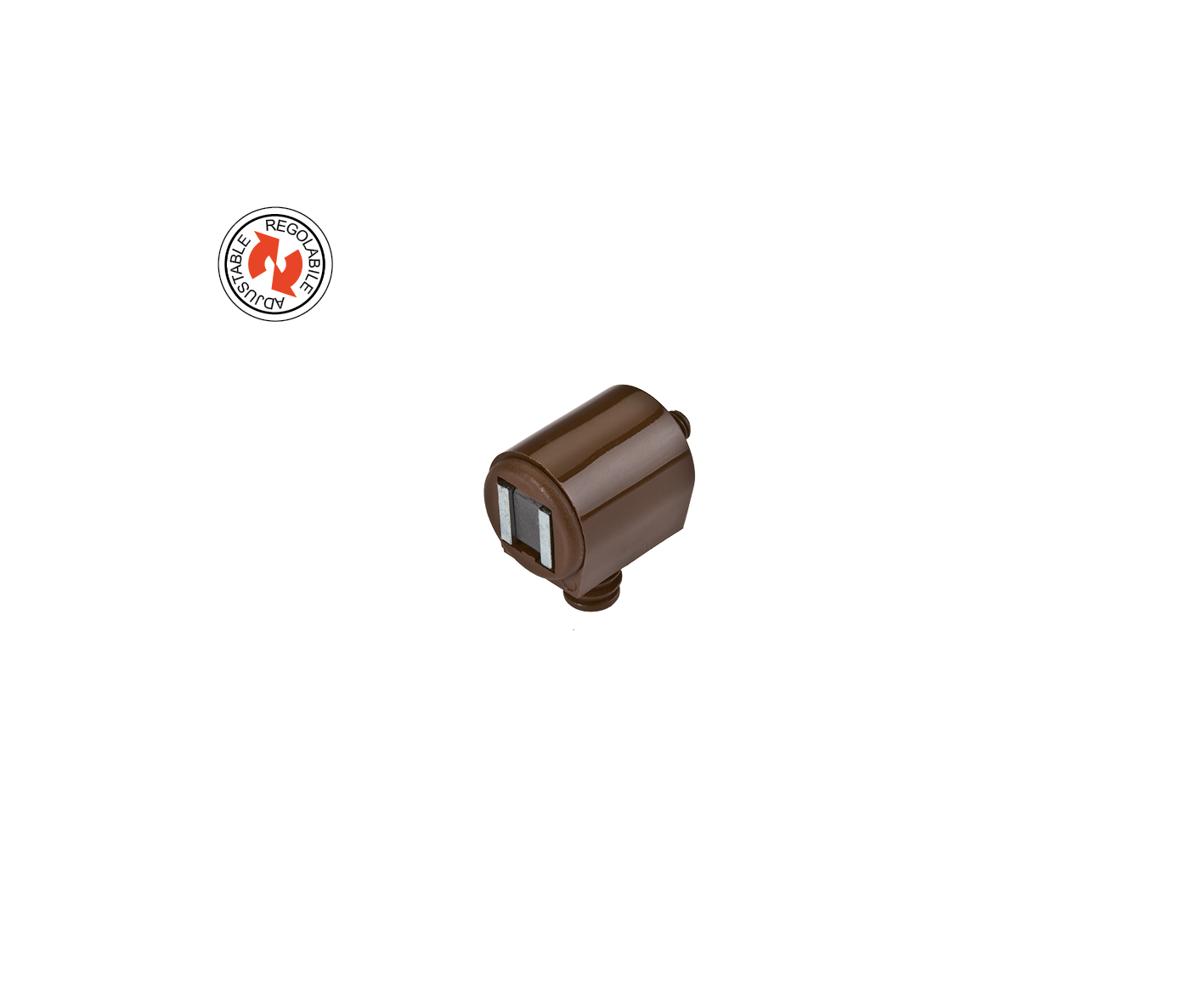
With pin Ø mm. 8.
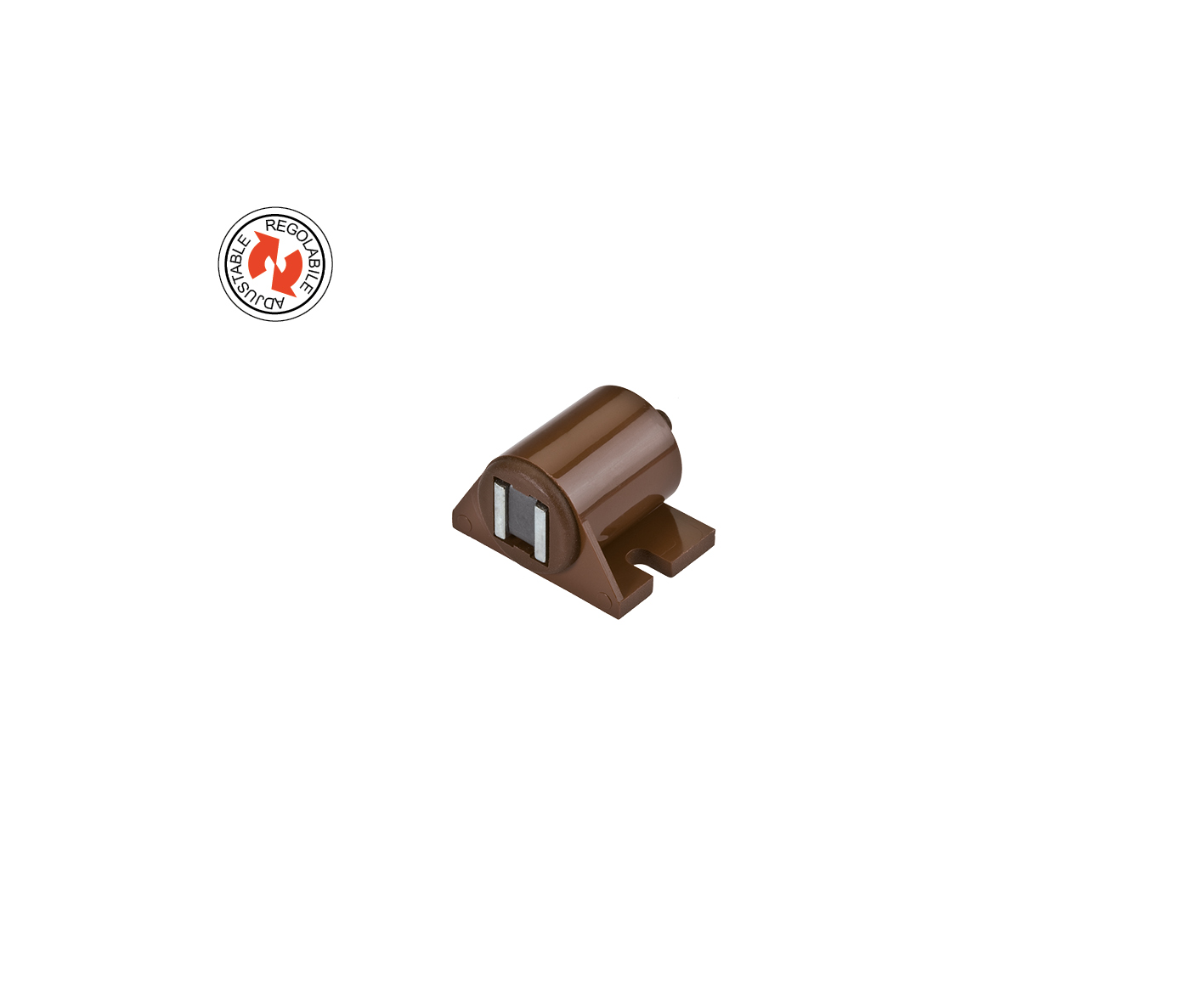
Screw-on.
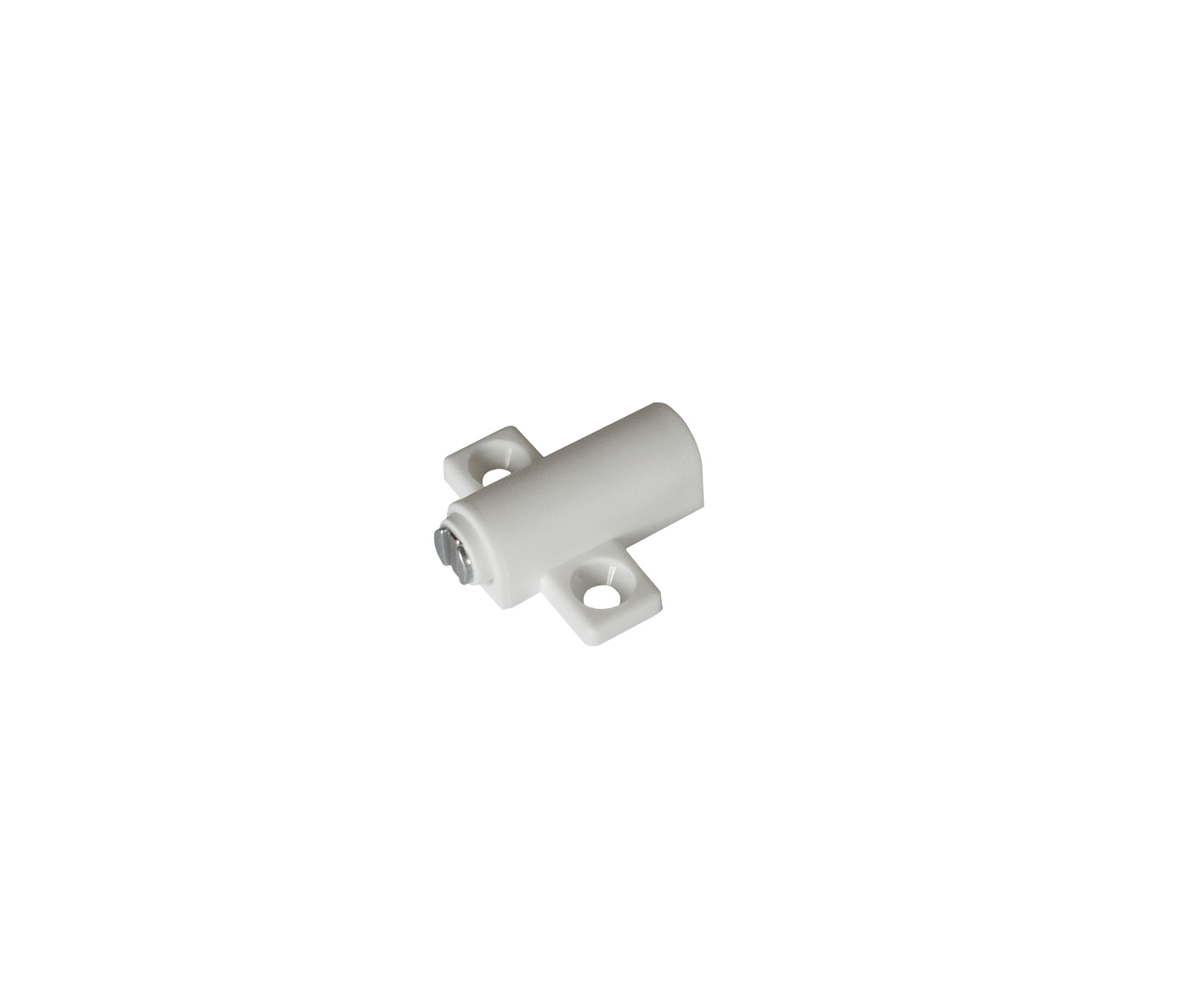
Screw-on.
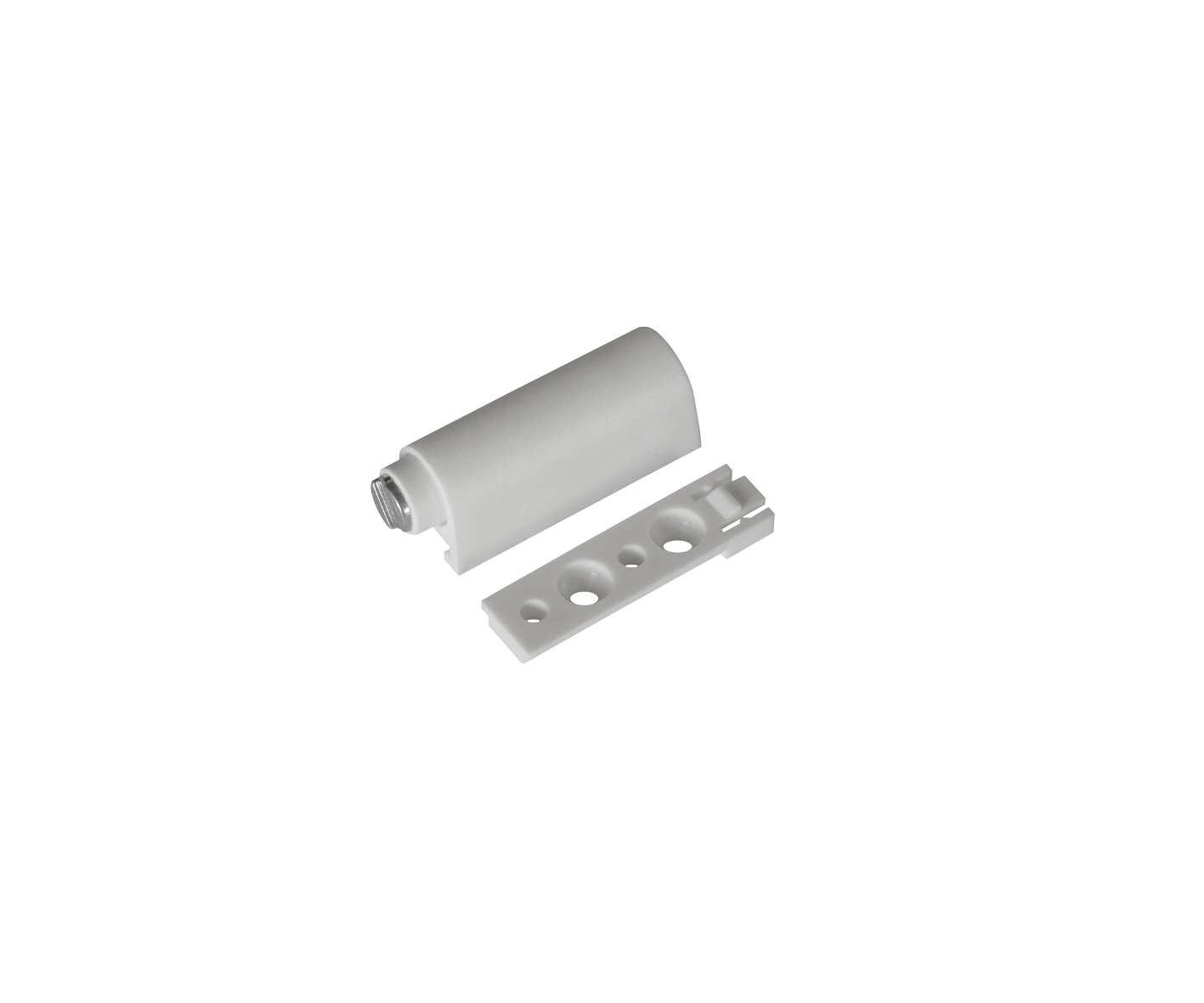
Adjustable, screw-on, with concealed fixing plate.
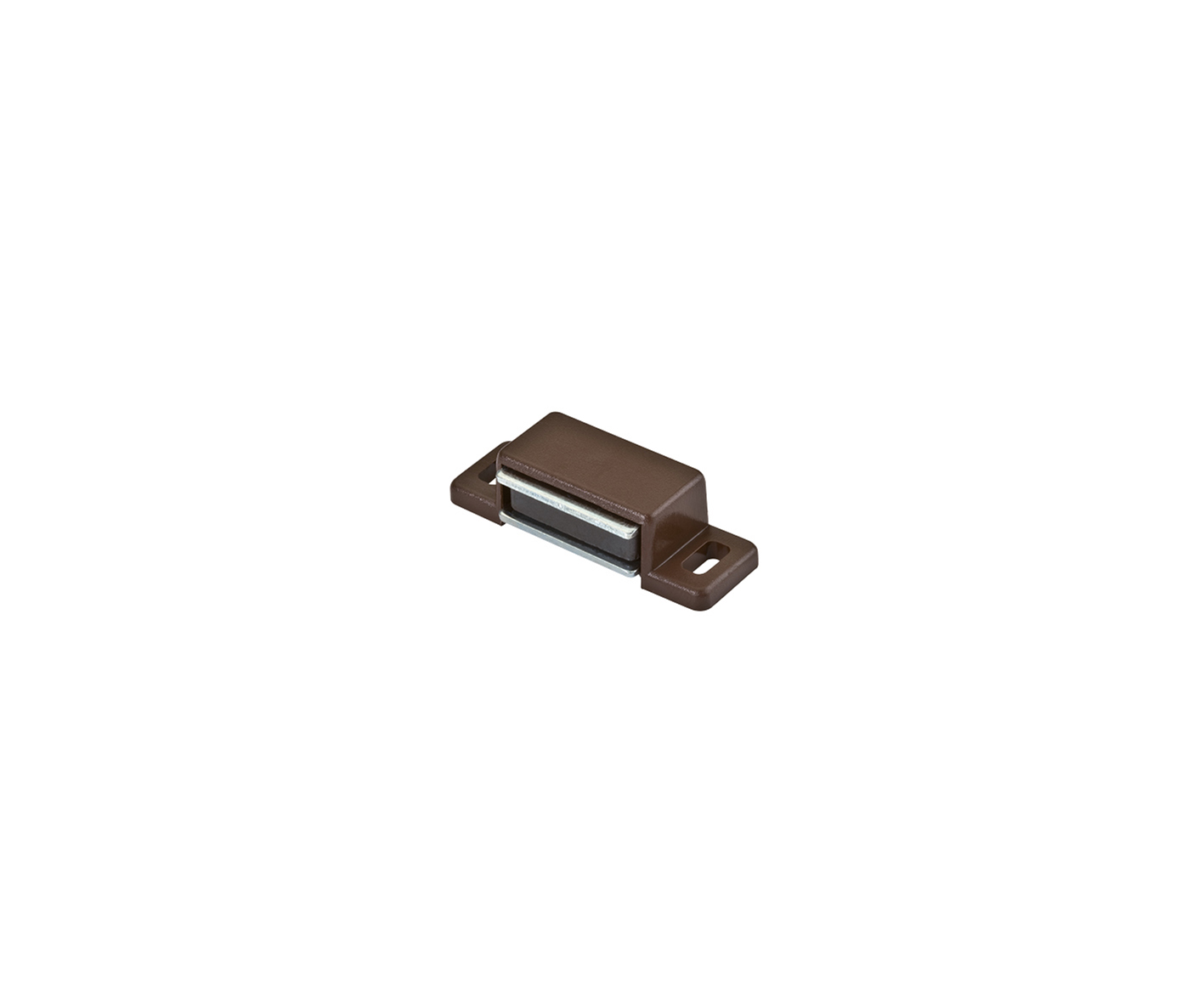
Without counterplate.
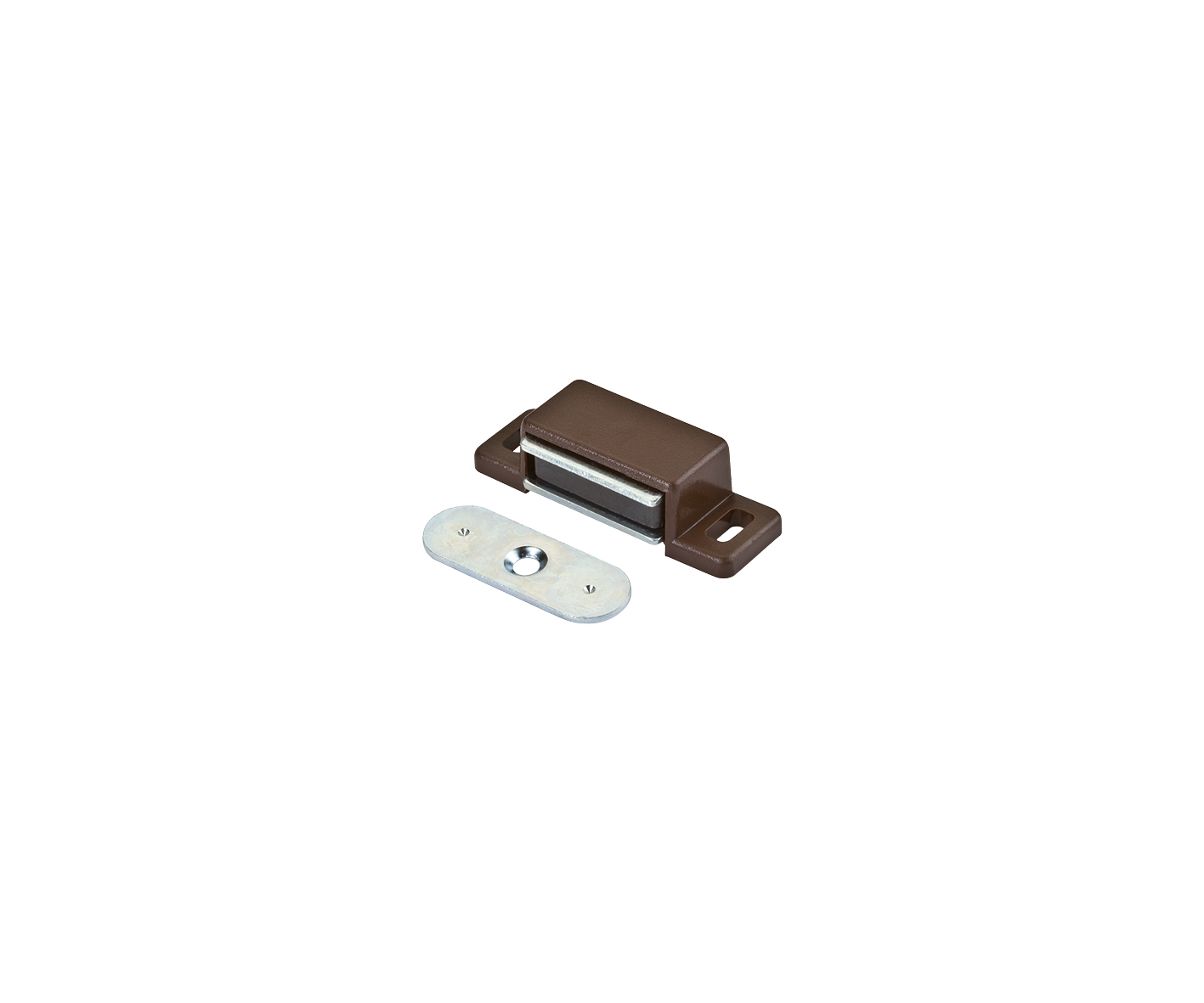
With counterplate 1 hole.
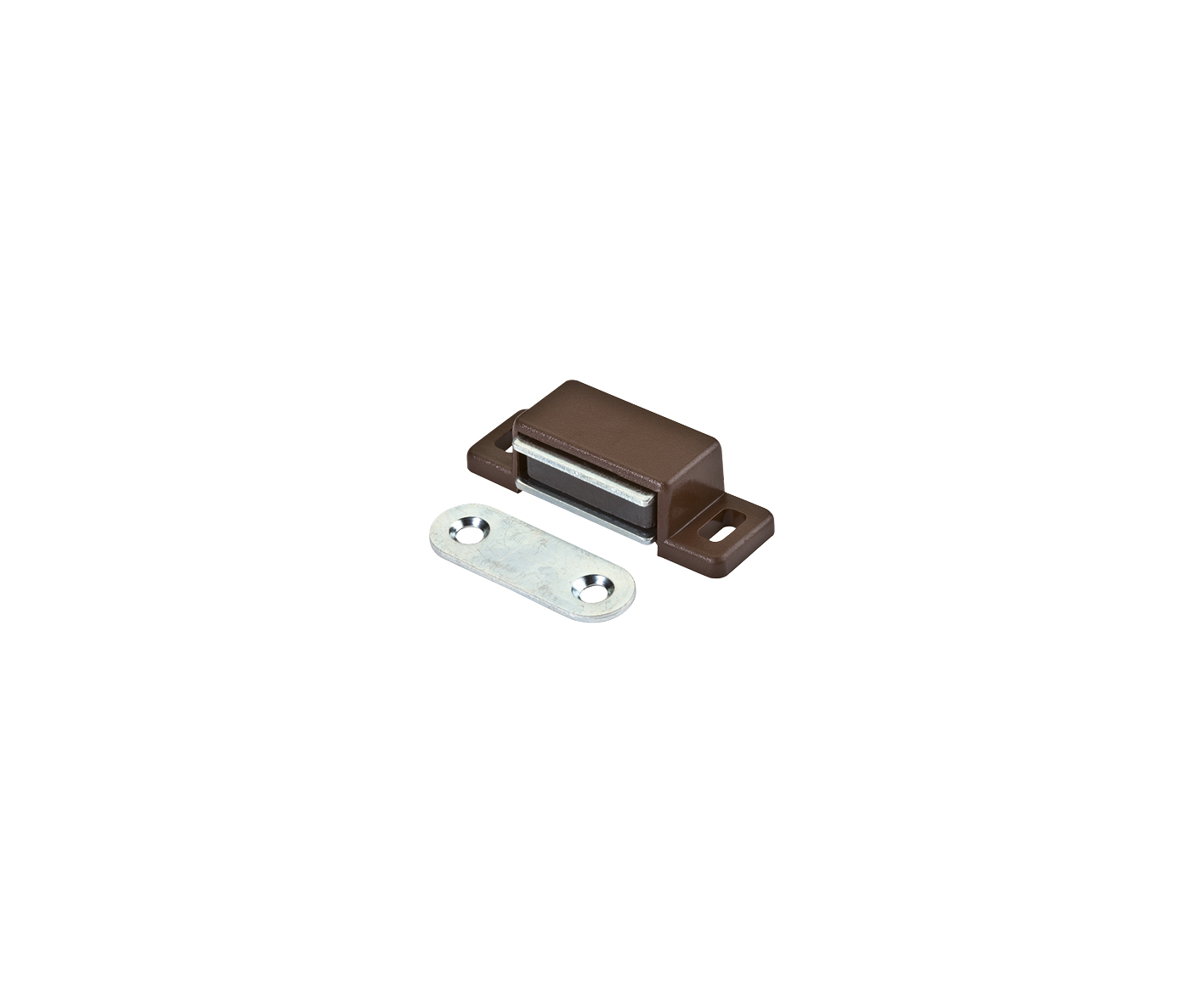
With counterplate 2 holes.
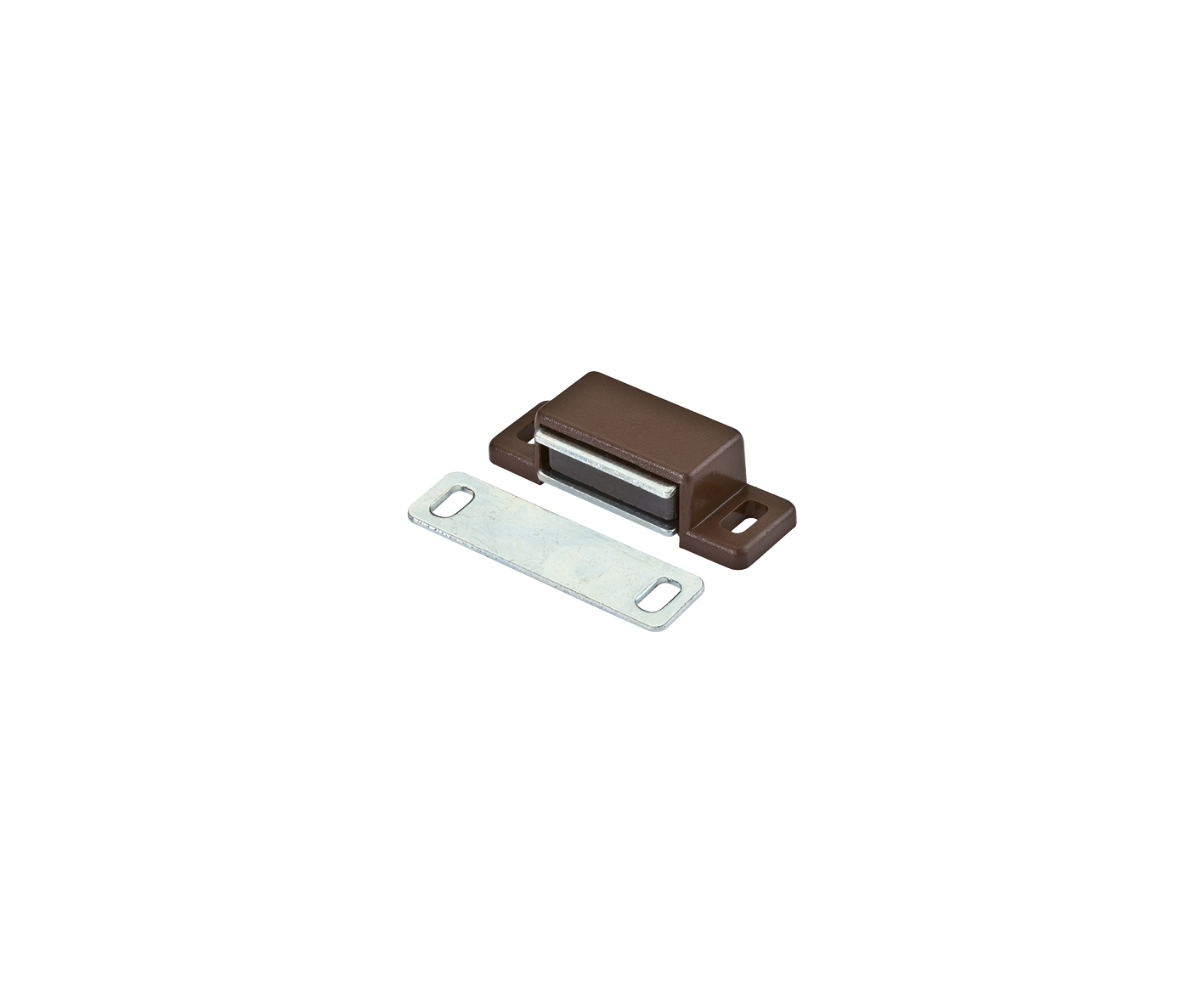
With counterplate rectangular holes.
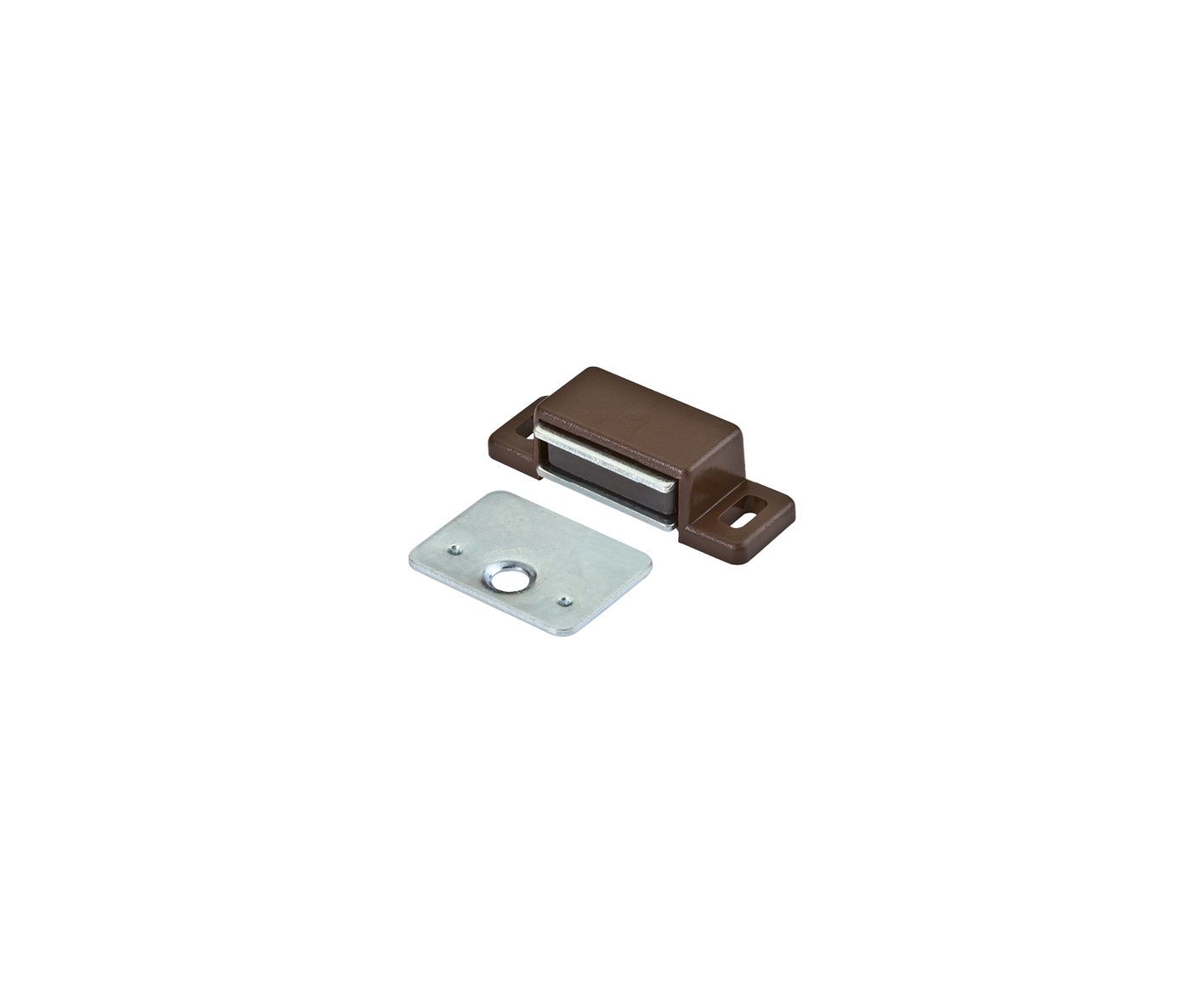
With rectangular counterplate.
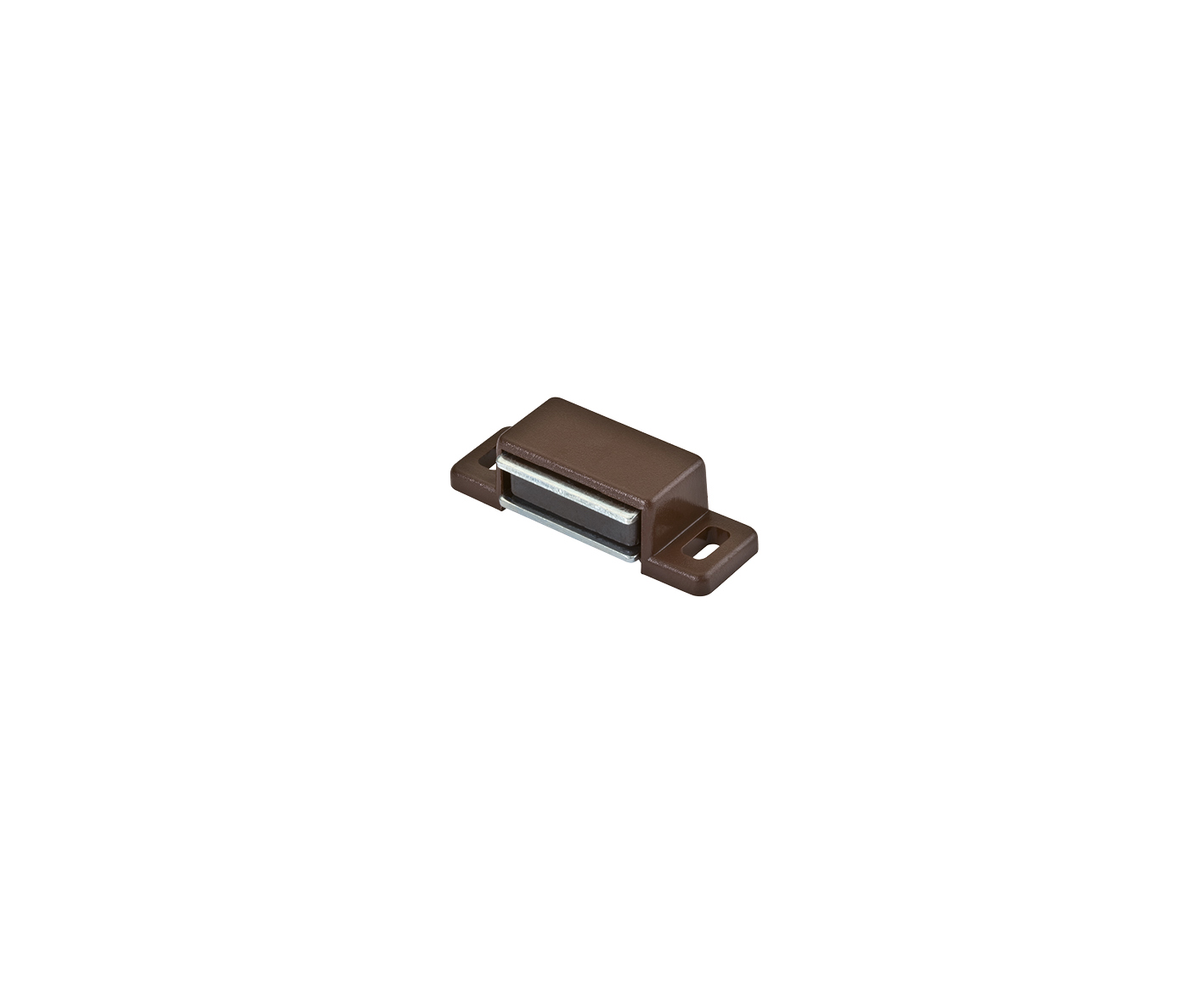
Without counterplate.
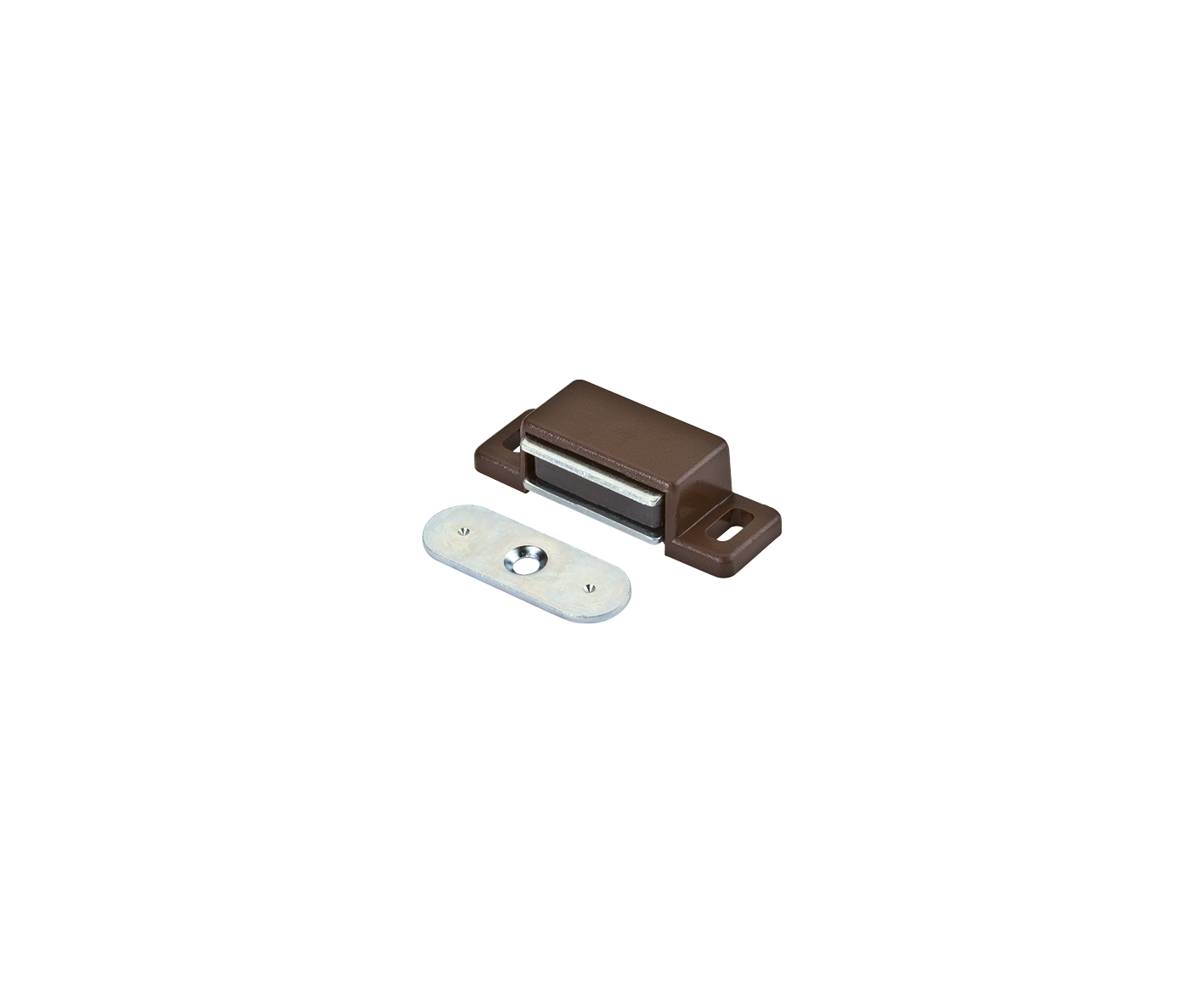
With counterplate 1 hole.
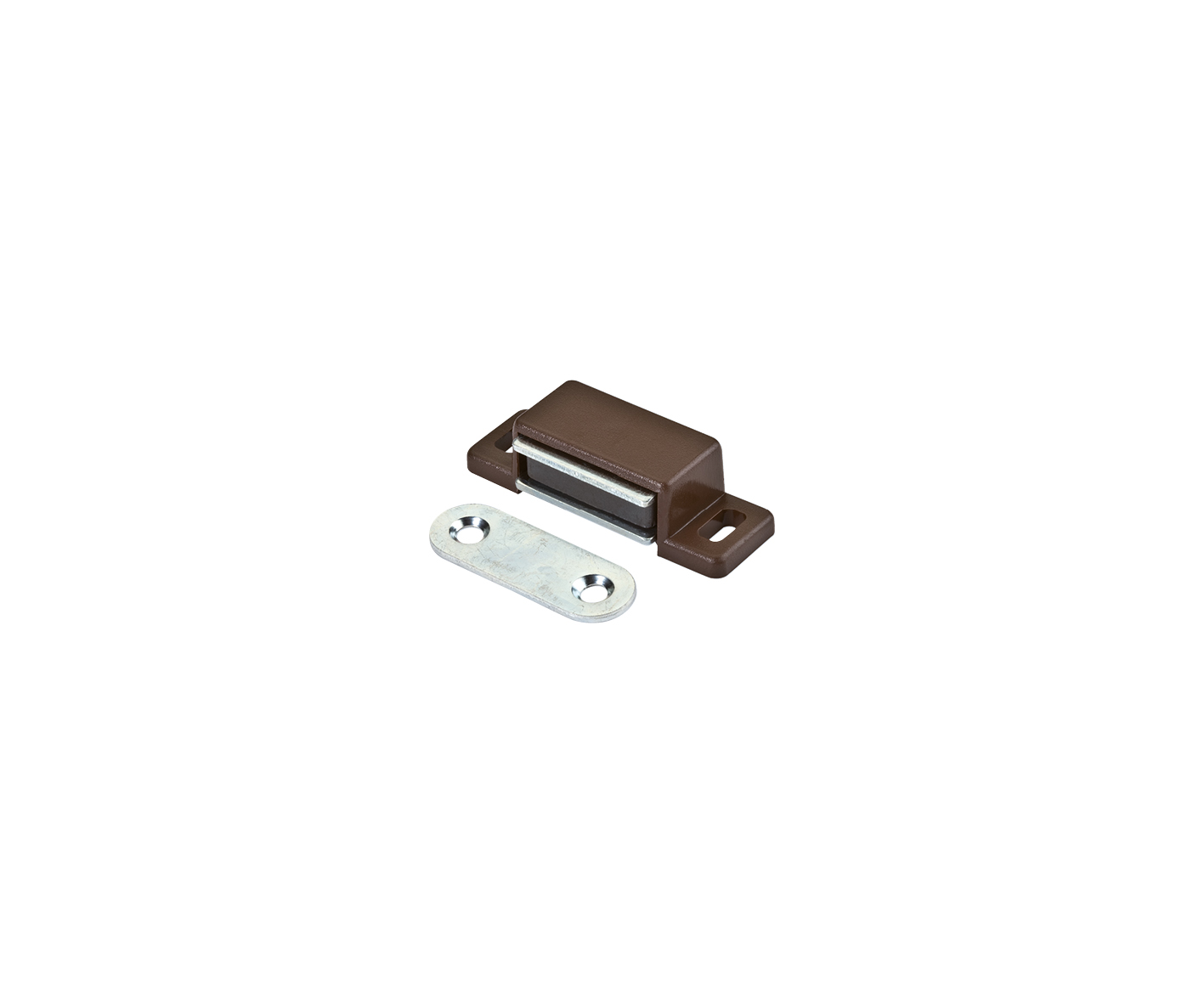
With counterplate 2 holes.
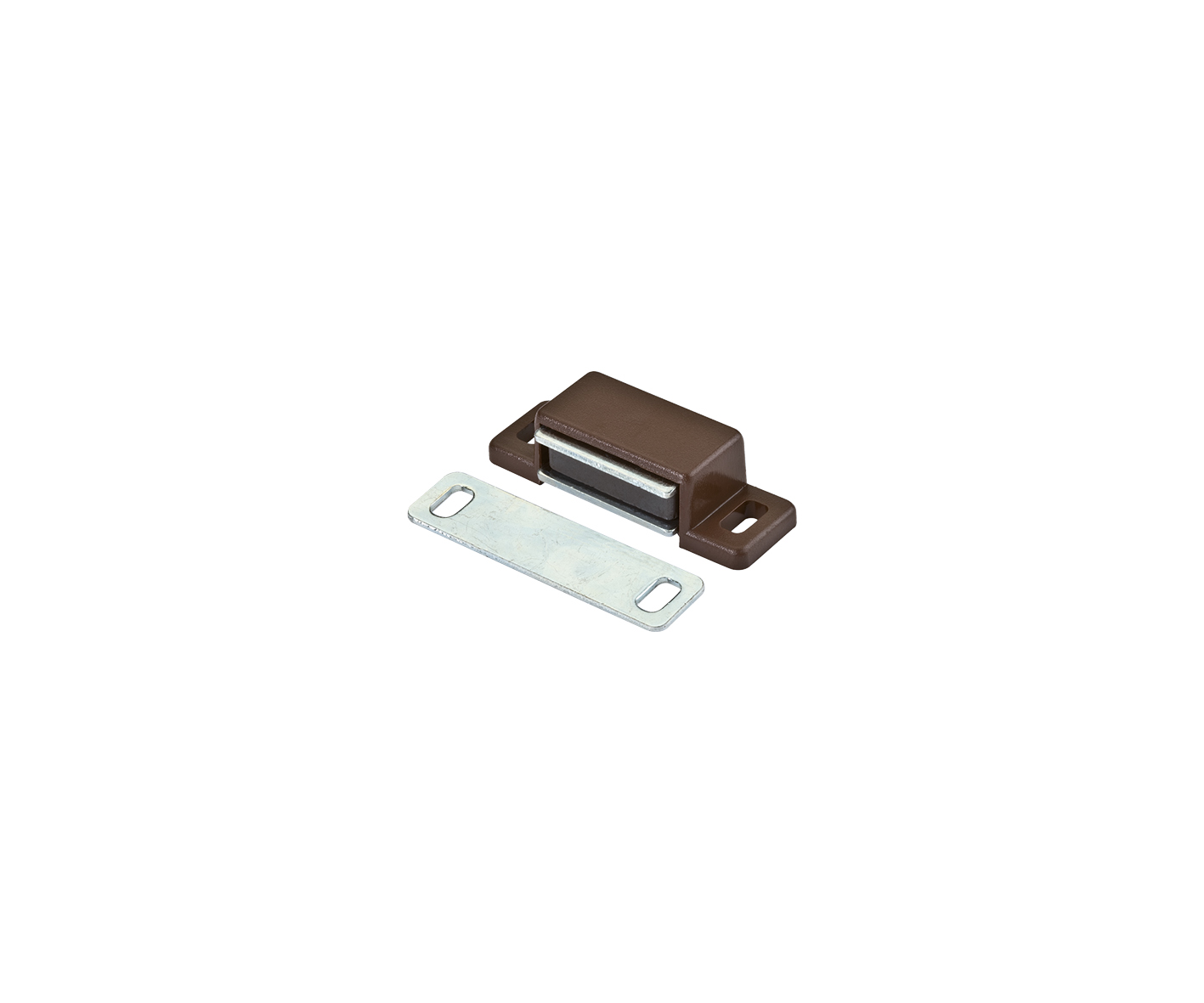
With counterplate rectangular holes.
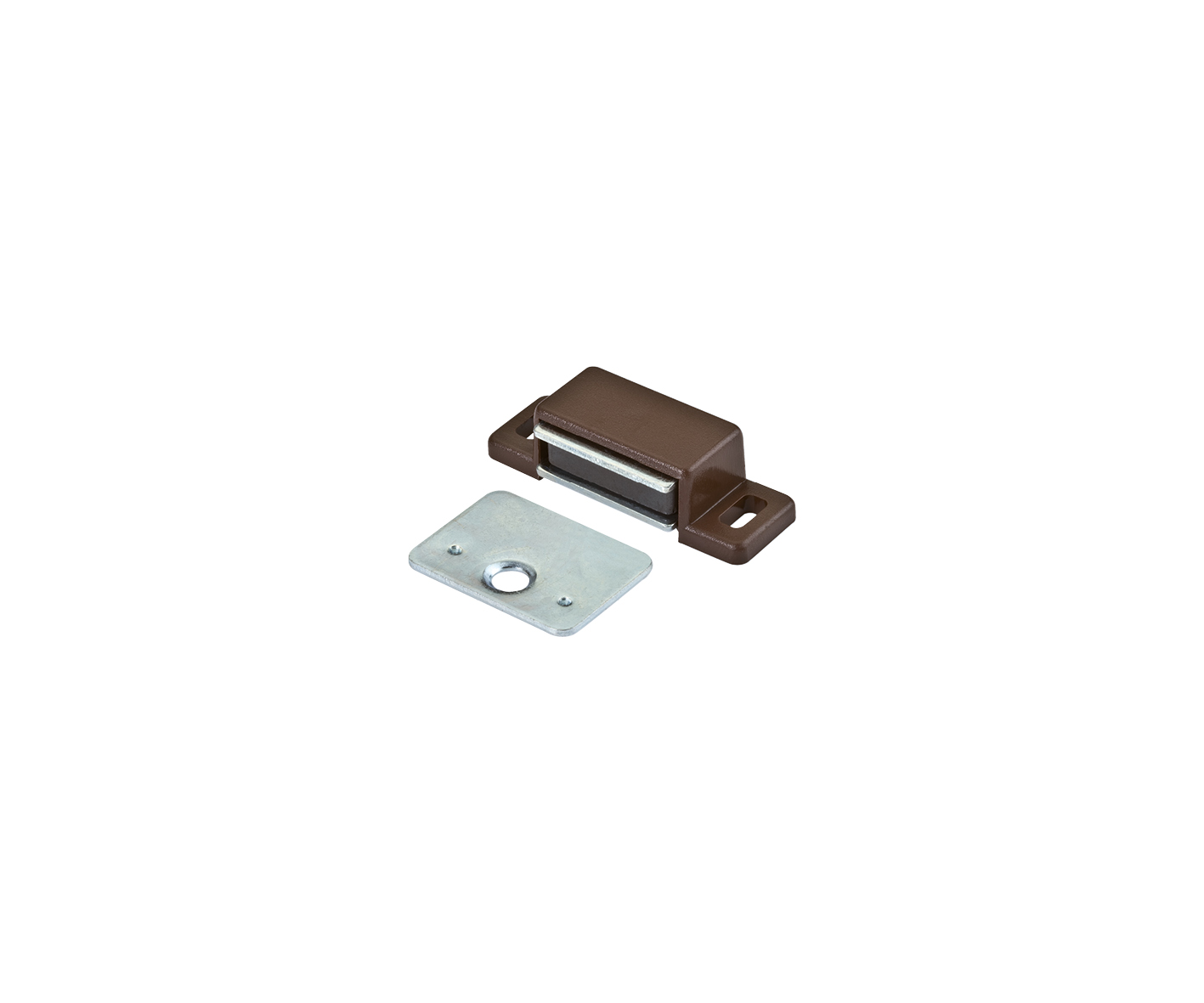
With rectangular counterplate.
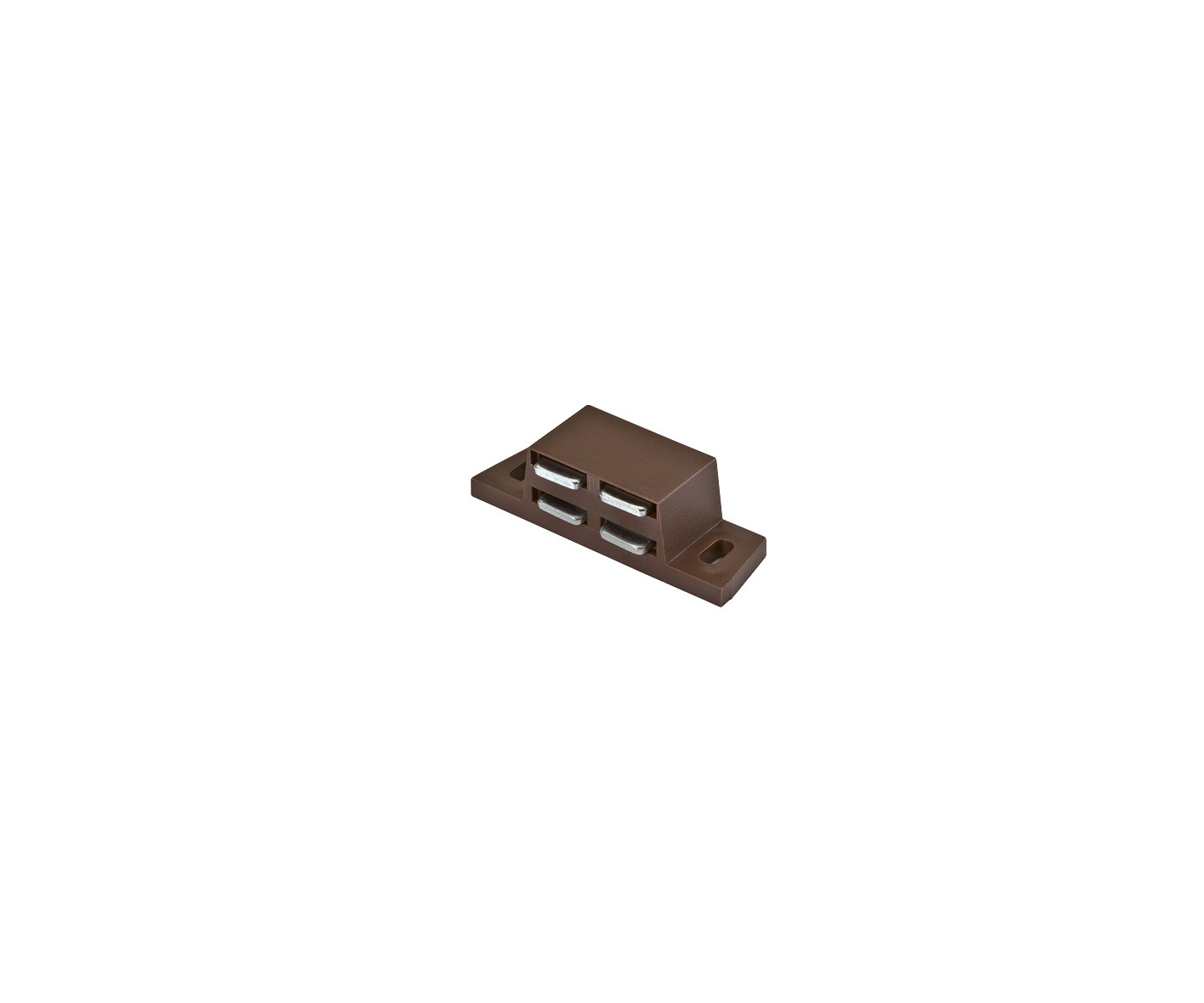
With counterplate 1 hole.
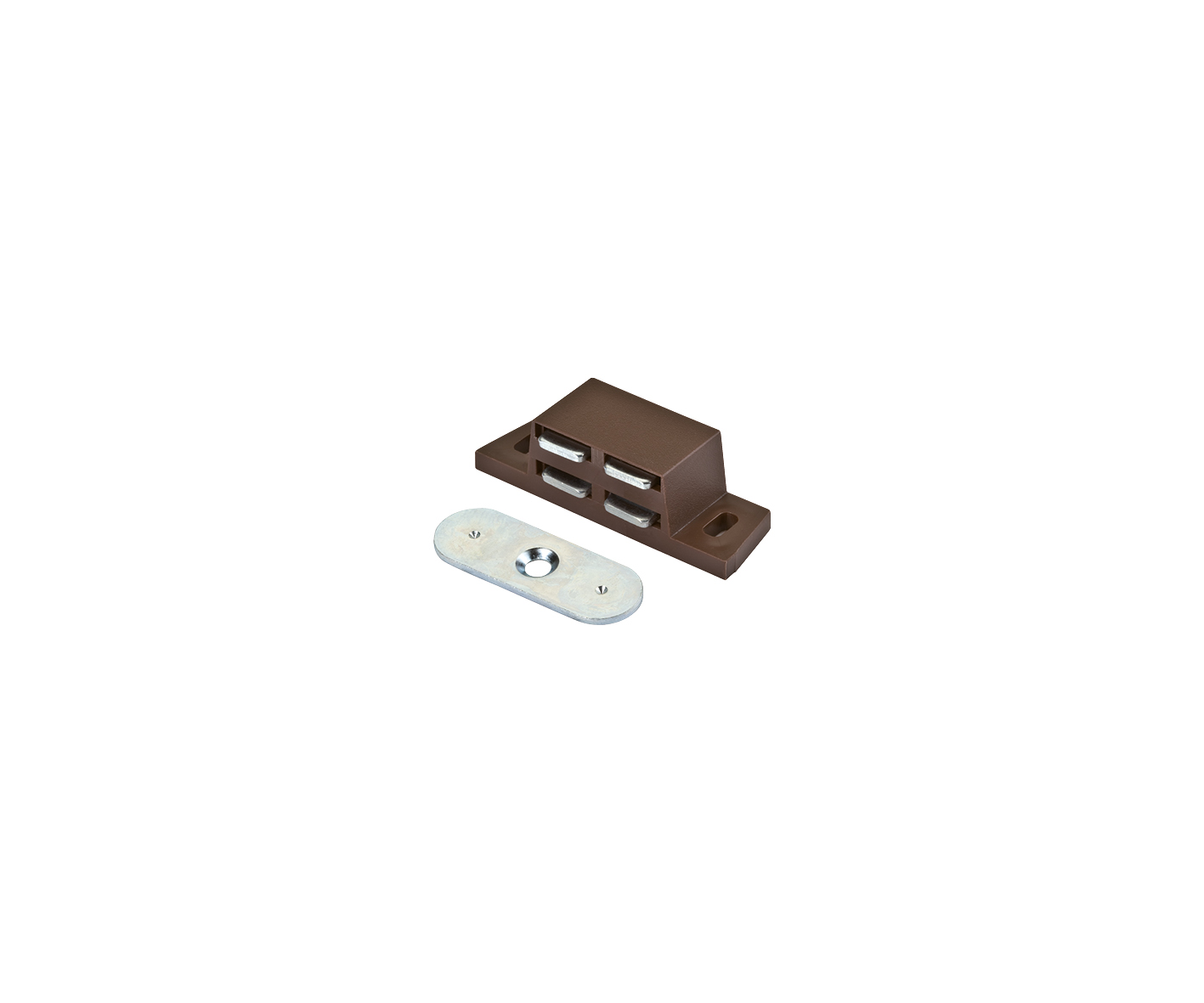
With counterplate 1 hole.
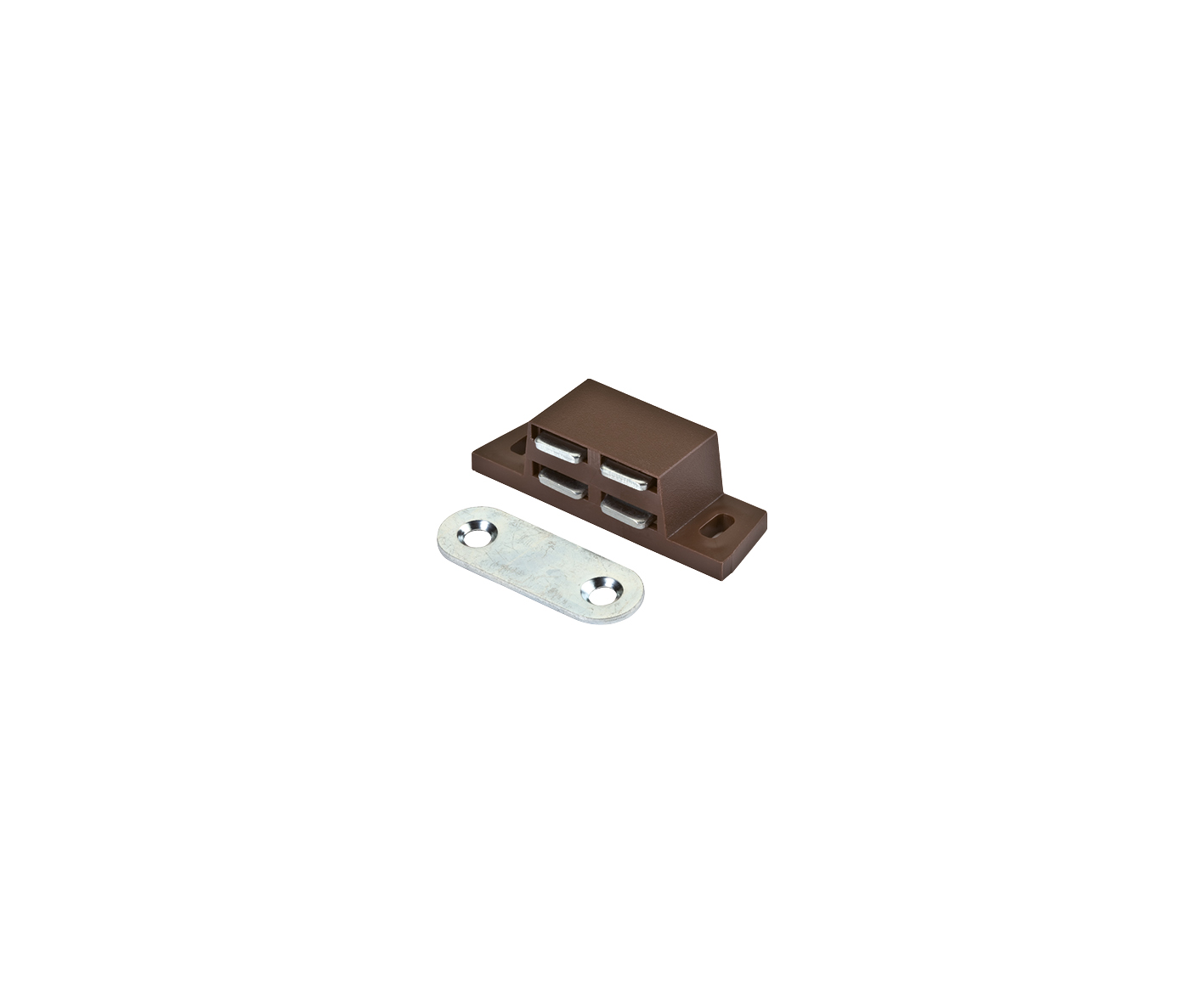
With counterplate 2 holes.
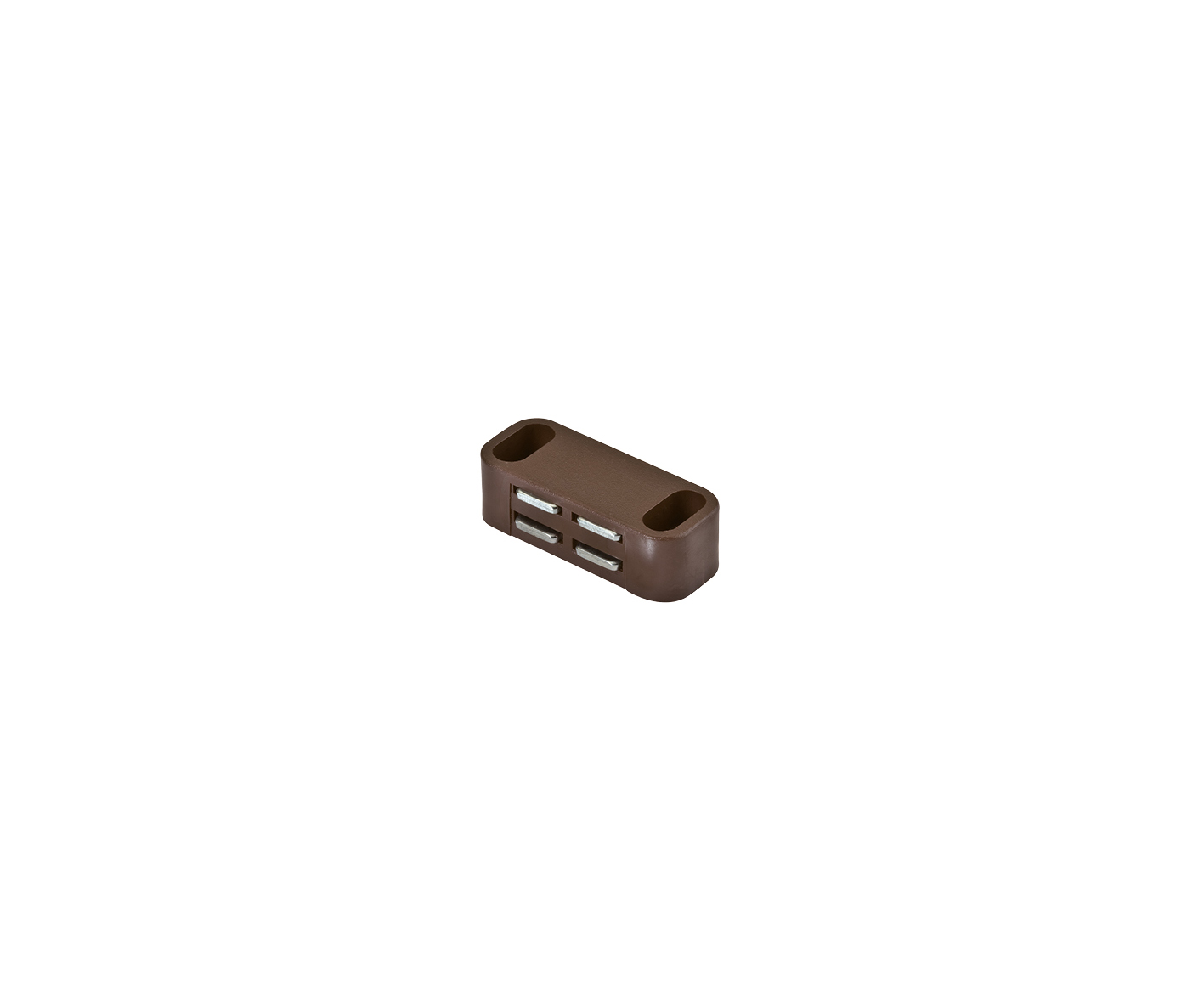
Without counterplate.
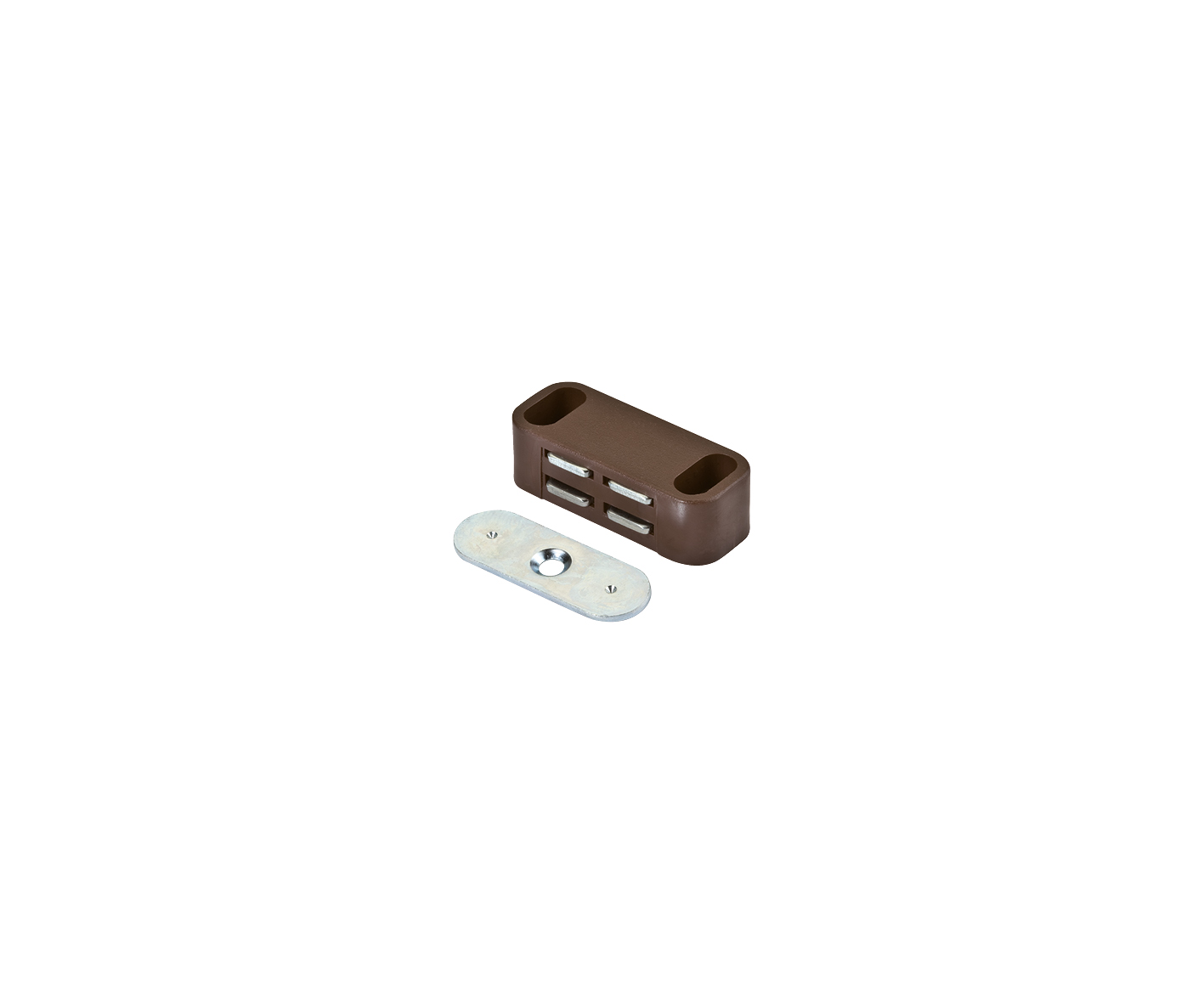
With counterplate 1 hole.
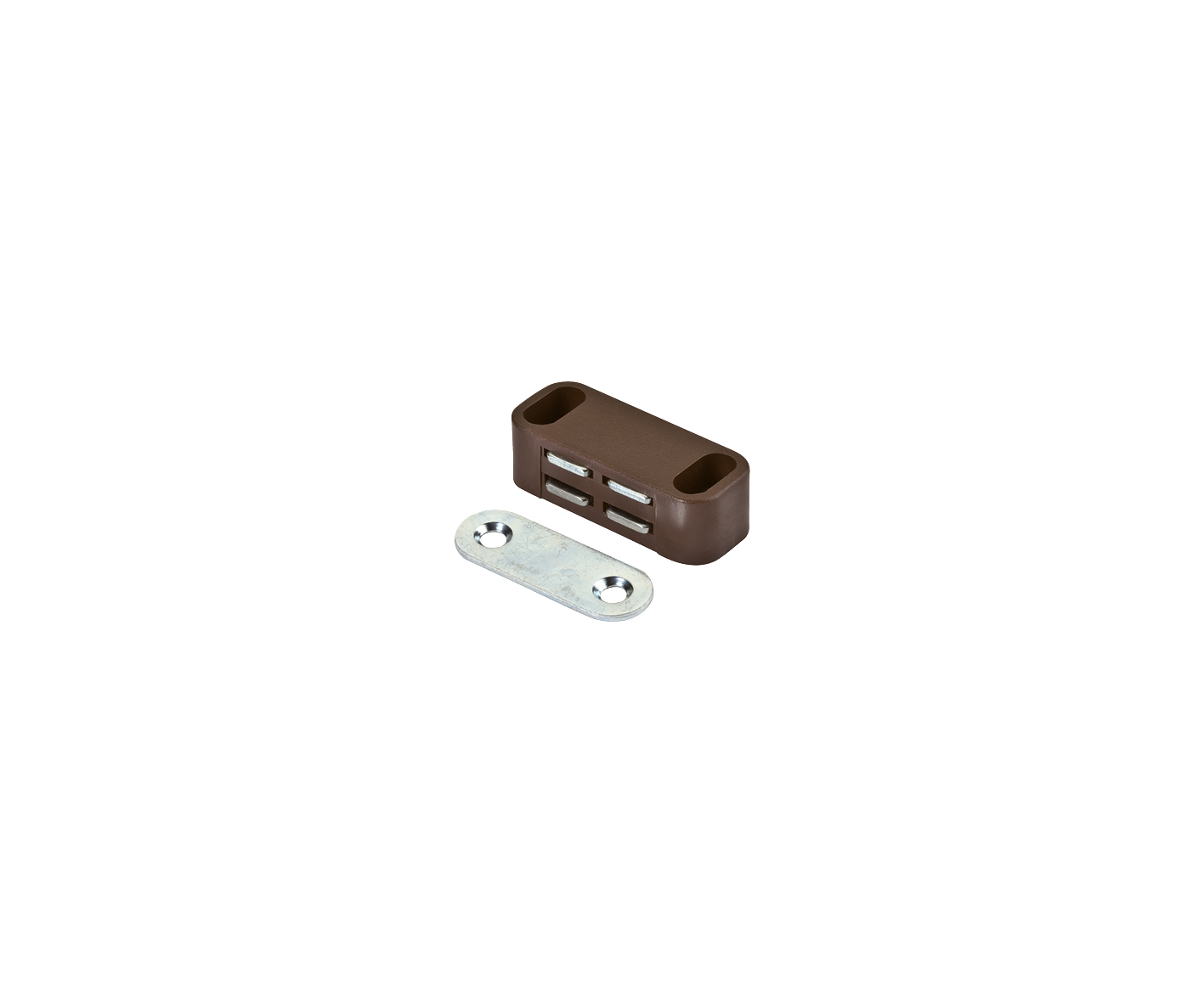
With counterplate 2 holes.
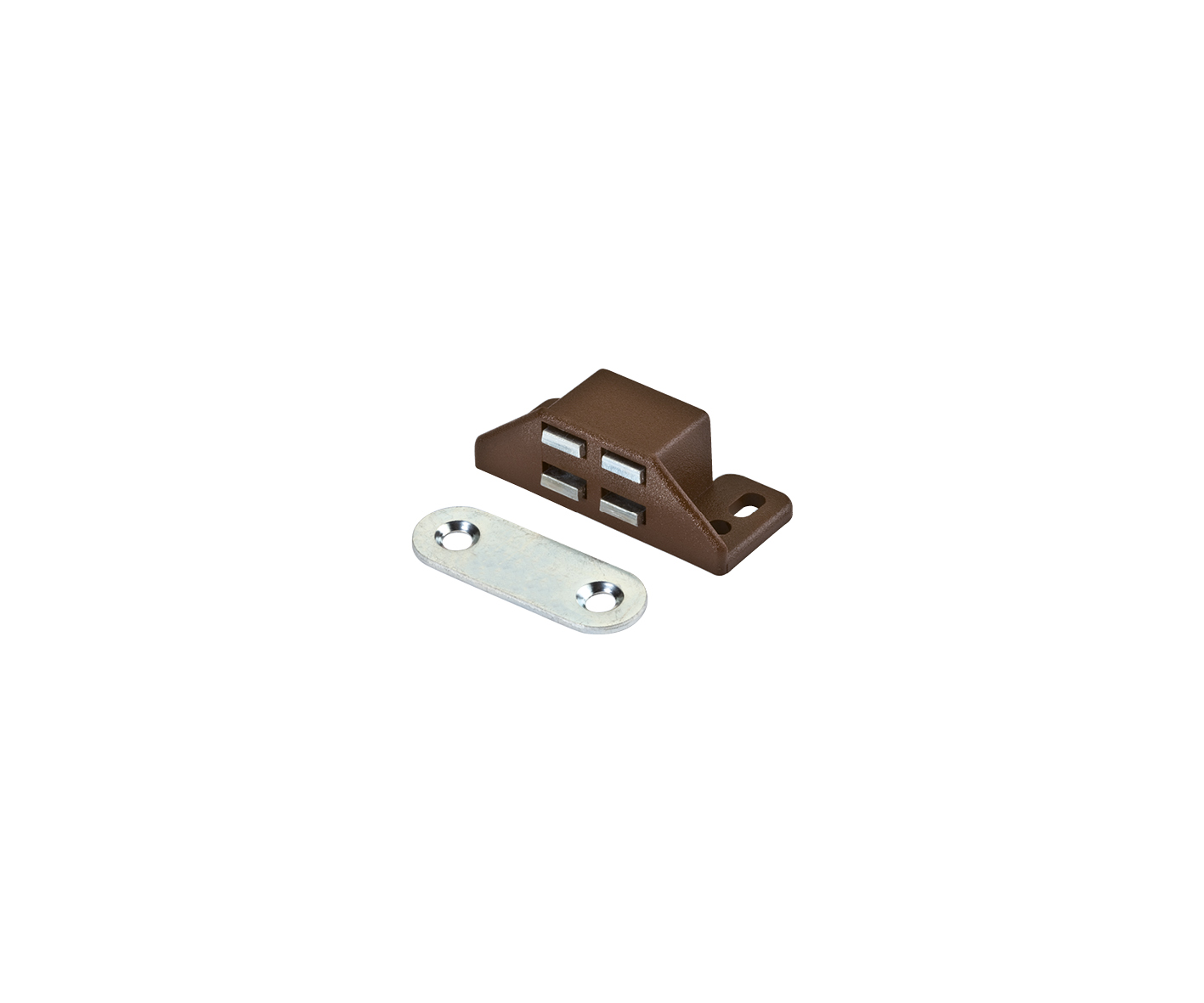
Axle spacing mm. 32.
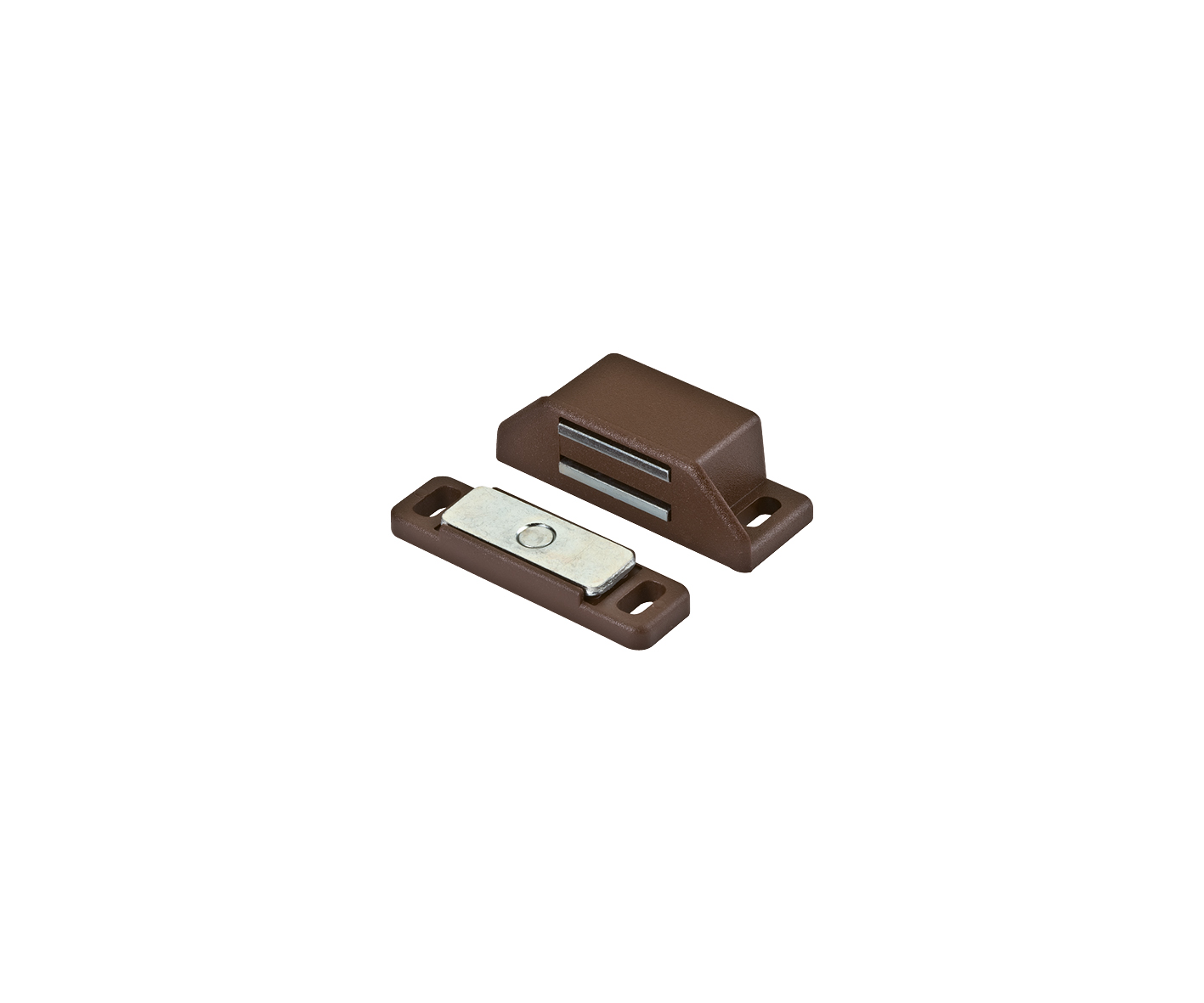
With moving counterplate.
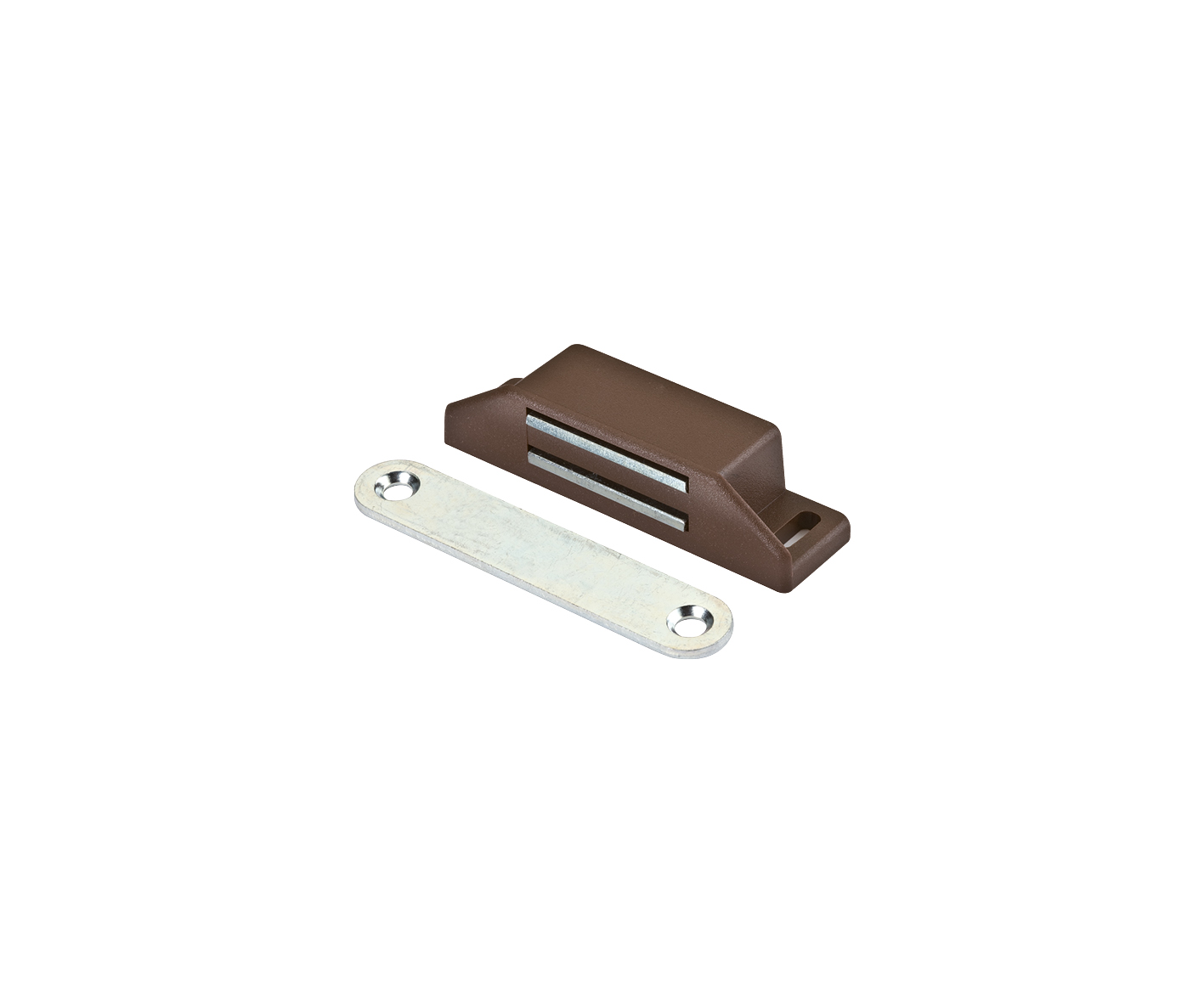
For heavy doors.
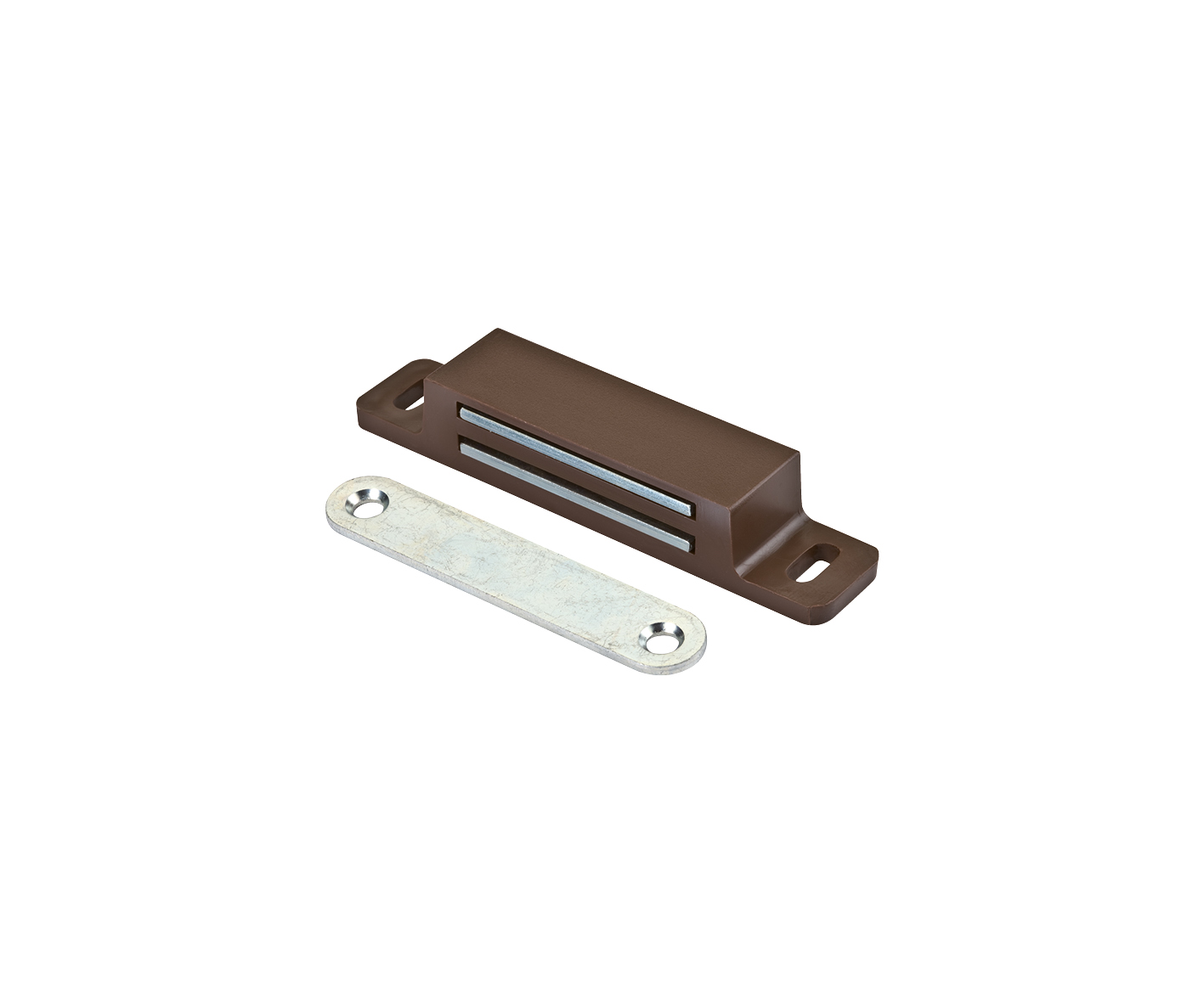
For heavy doors.
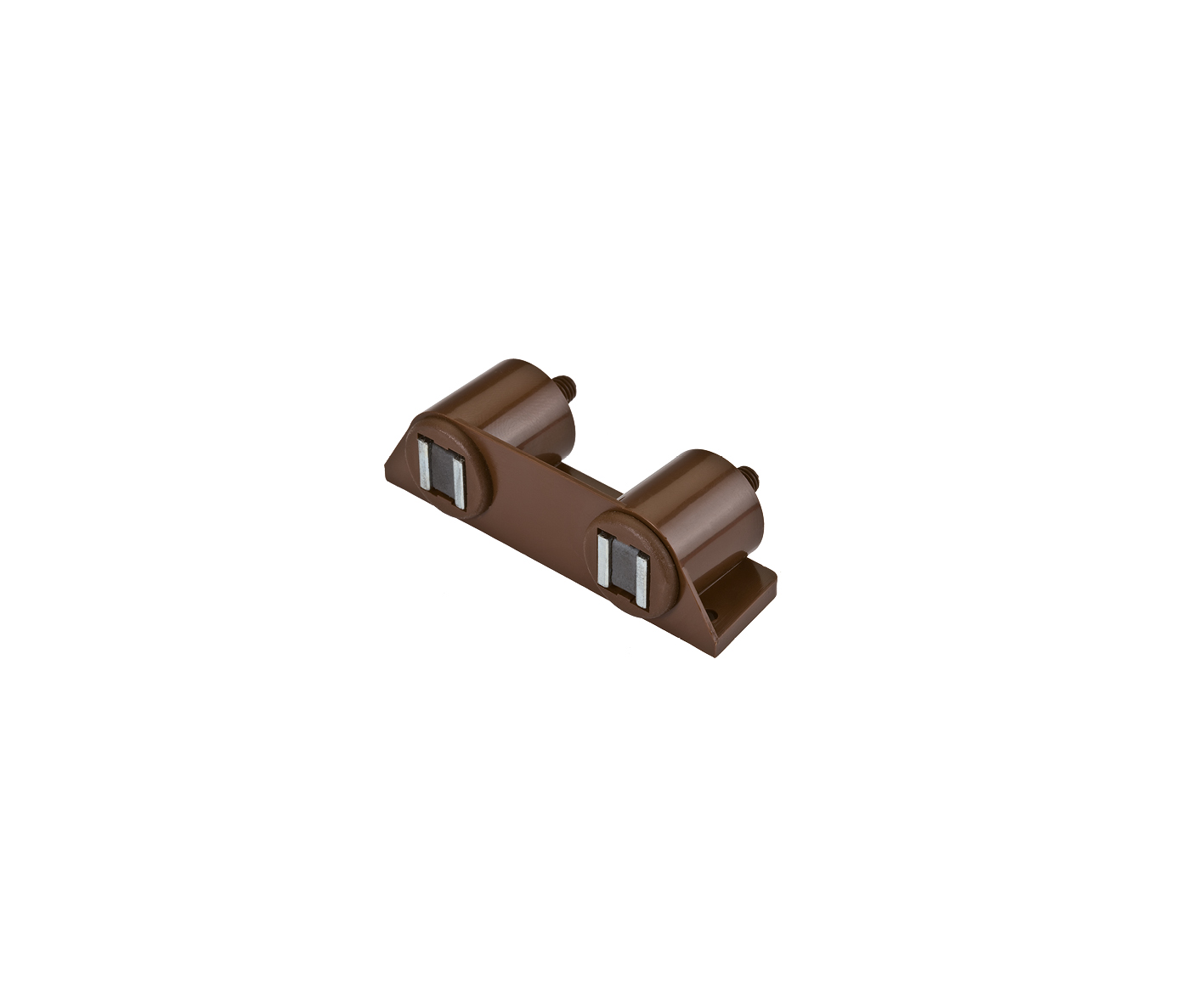
For heavy doors.
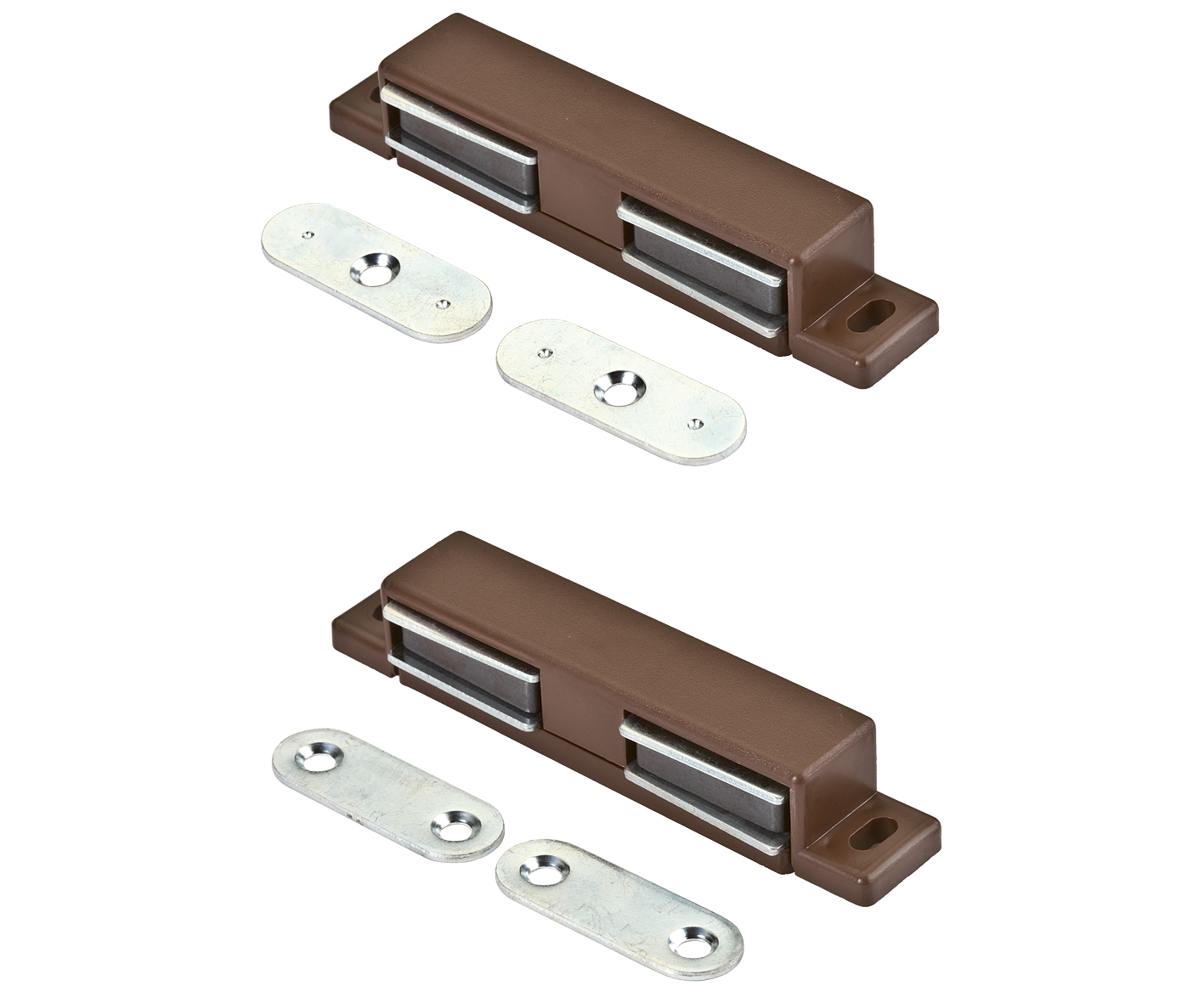
With two counterplates 1 hole or 2 holes.
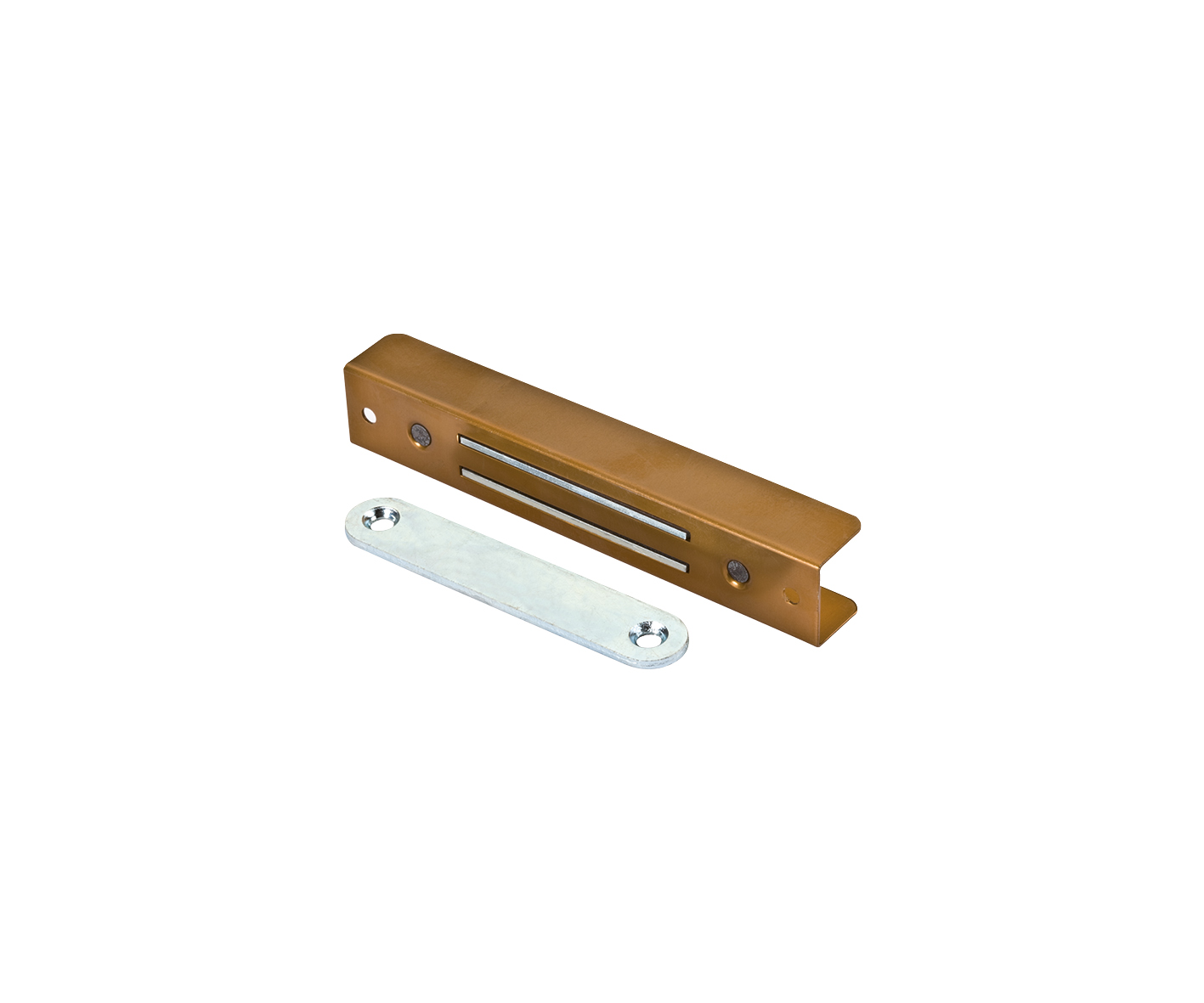
Aluminium, for sliding doors.
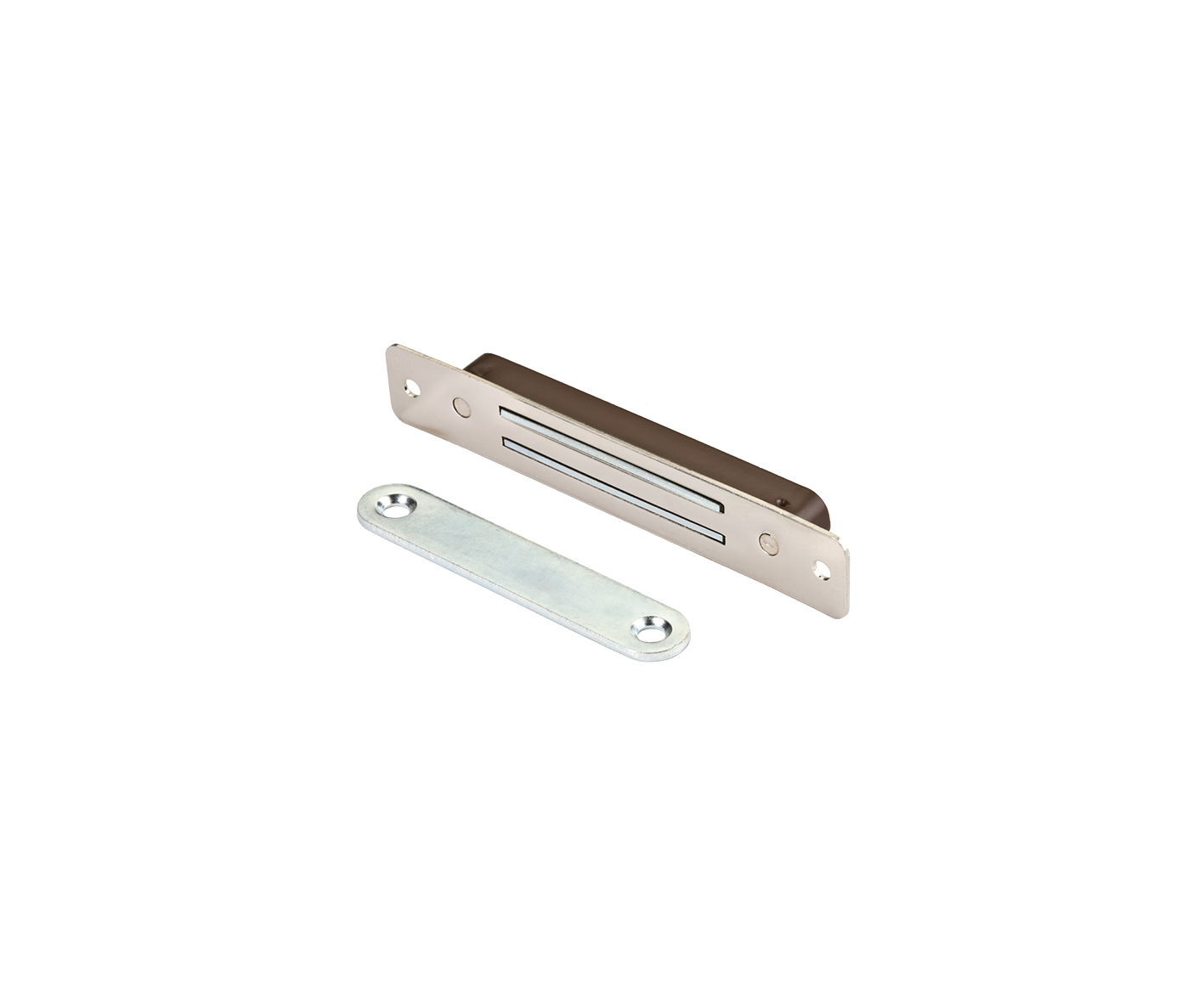
Brass, for sliding doors.
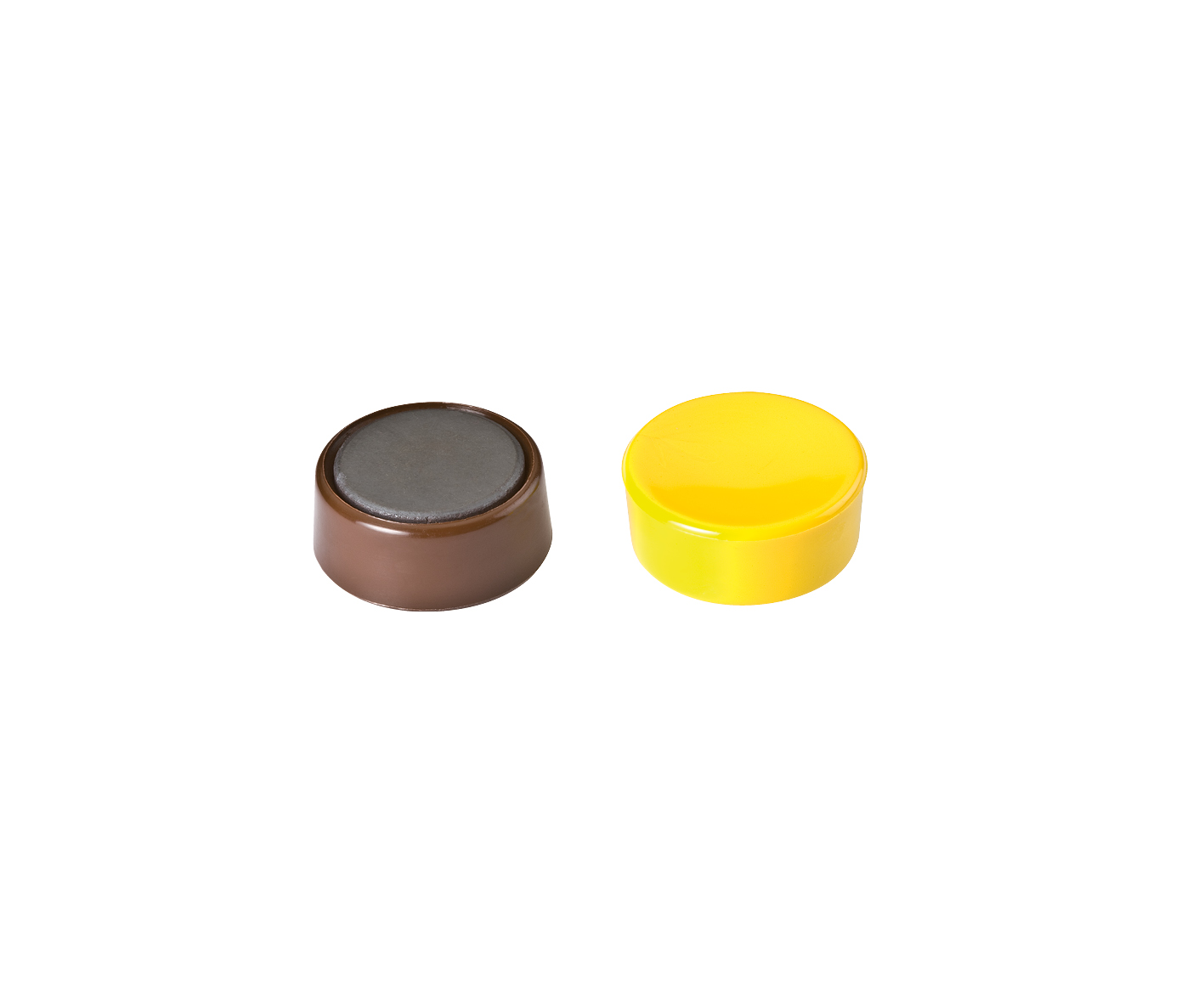
Ø mm. 25.
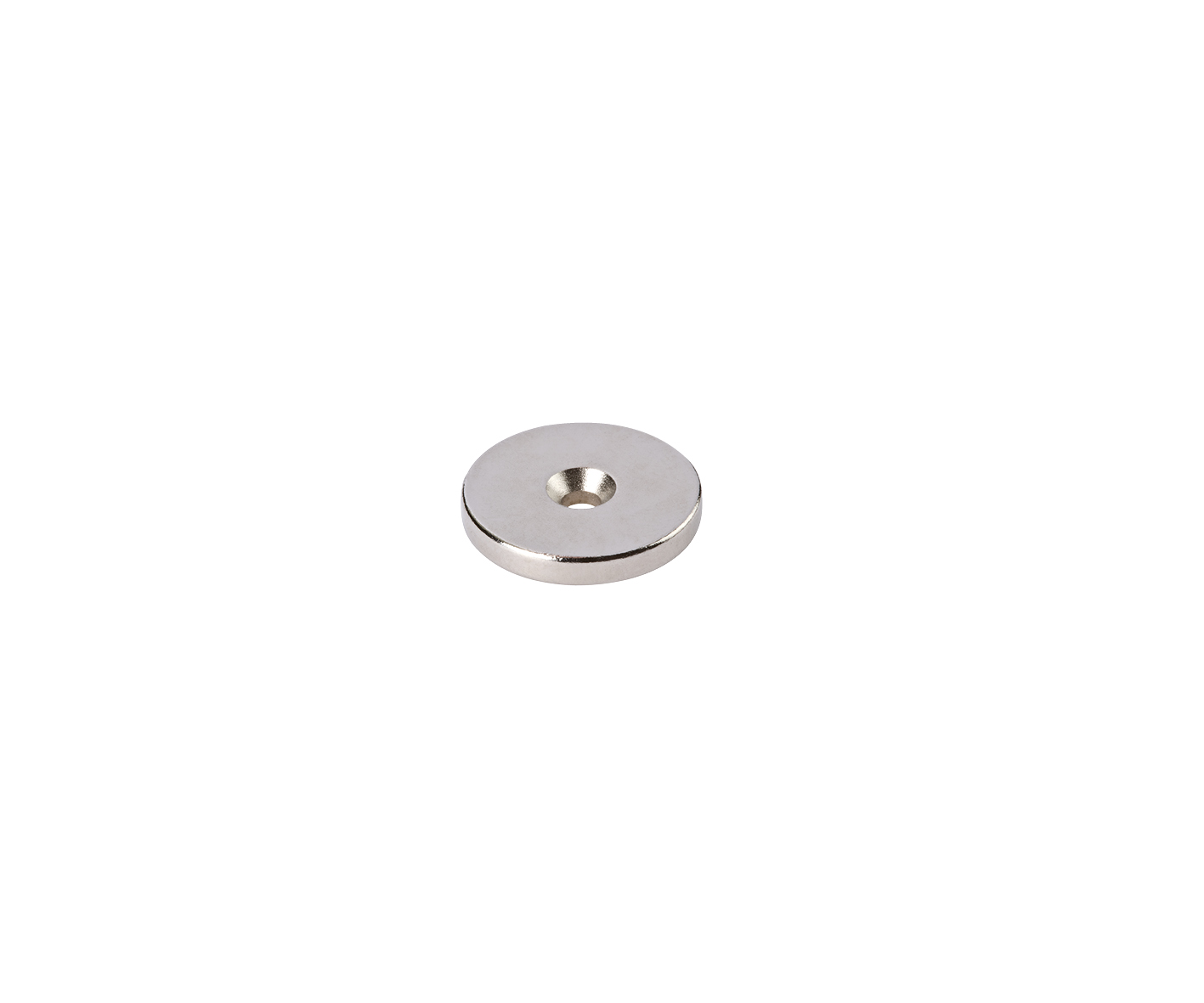
Hole 3.
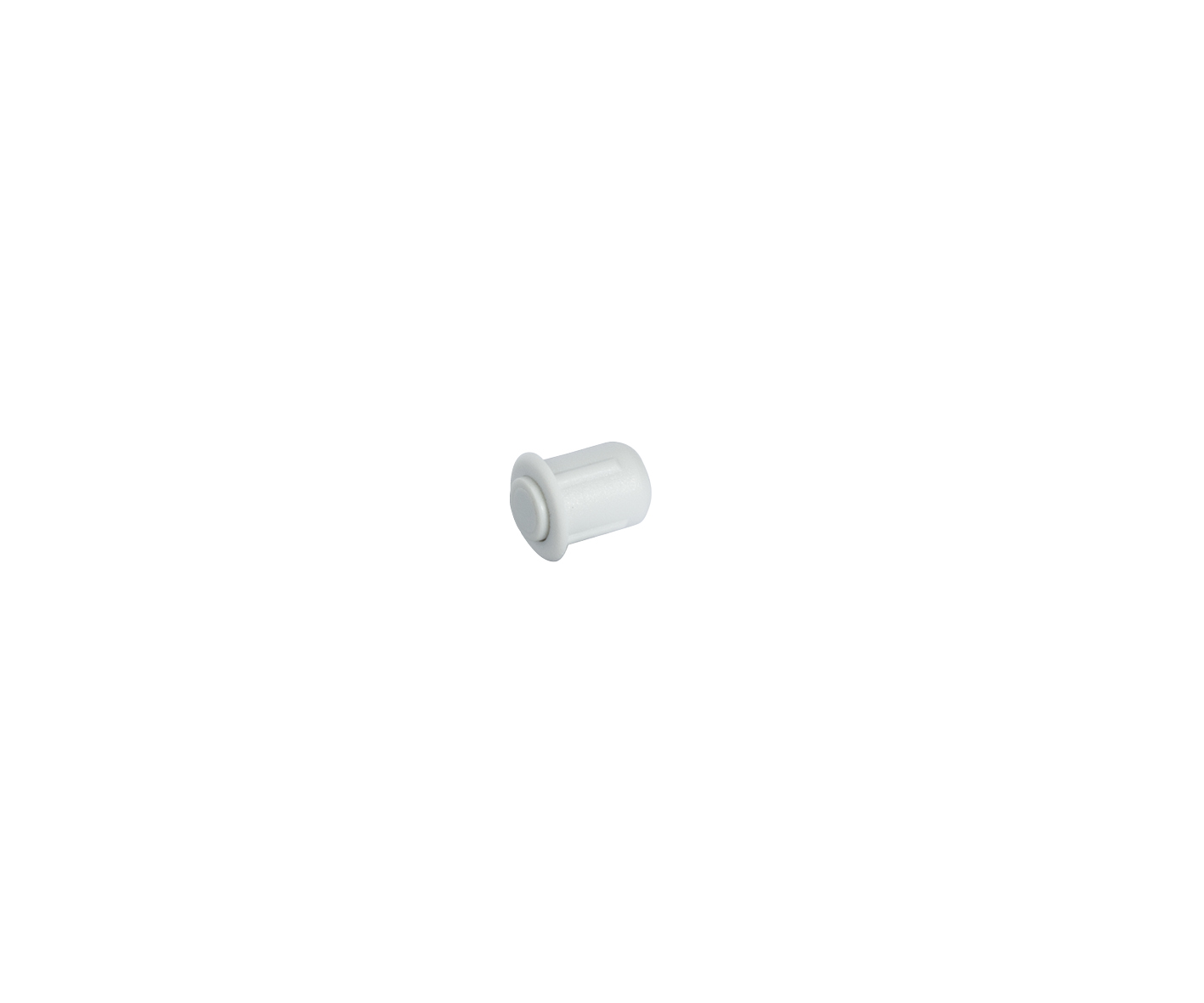
Ø mm. 8×9.
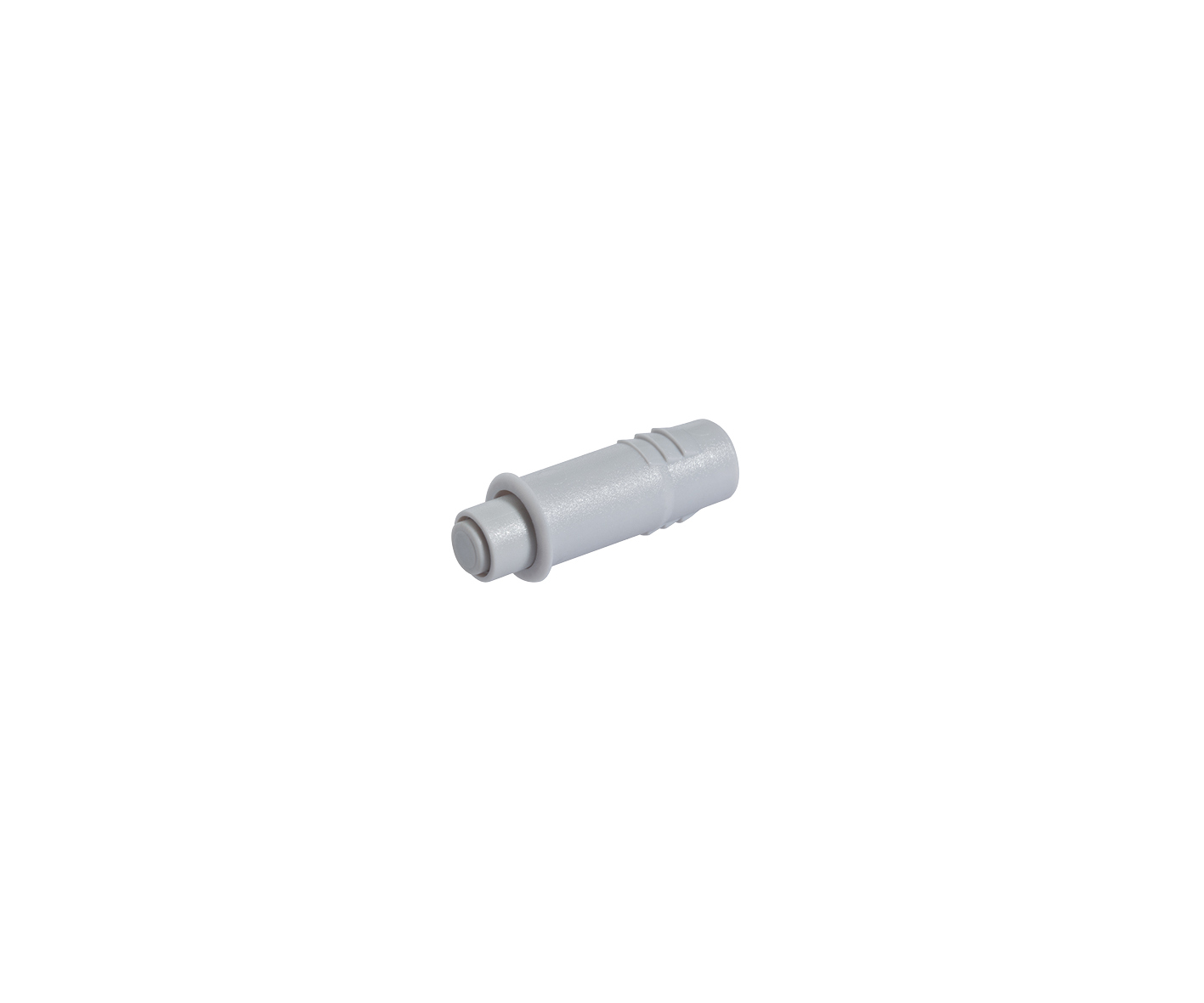
Ø mm. 10×26.
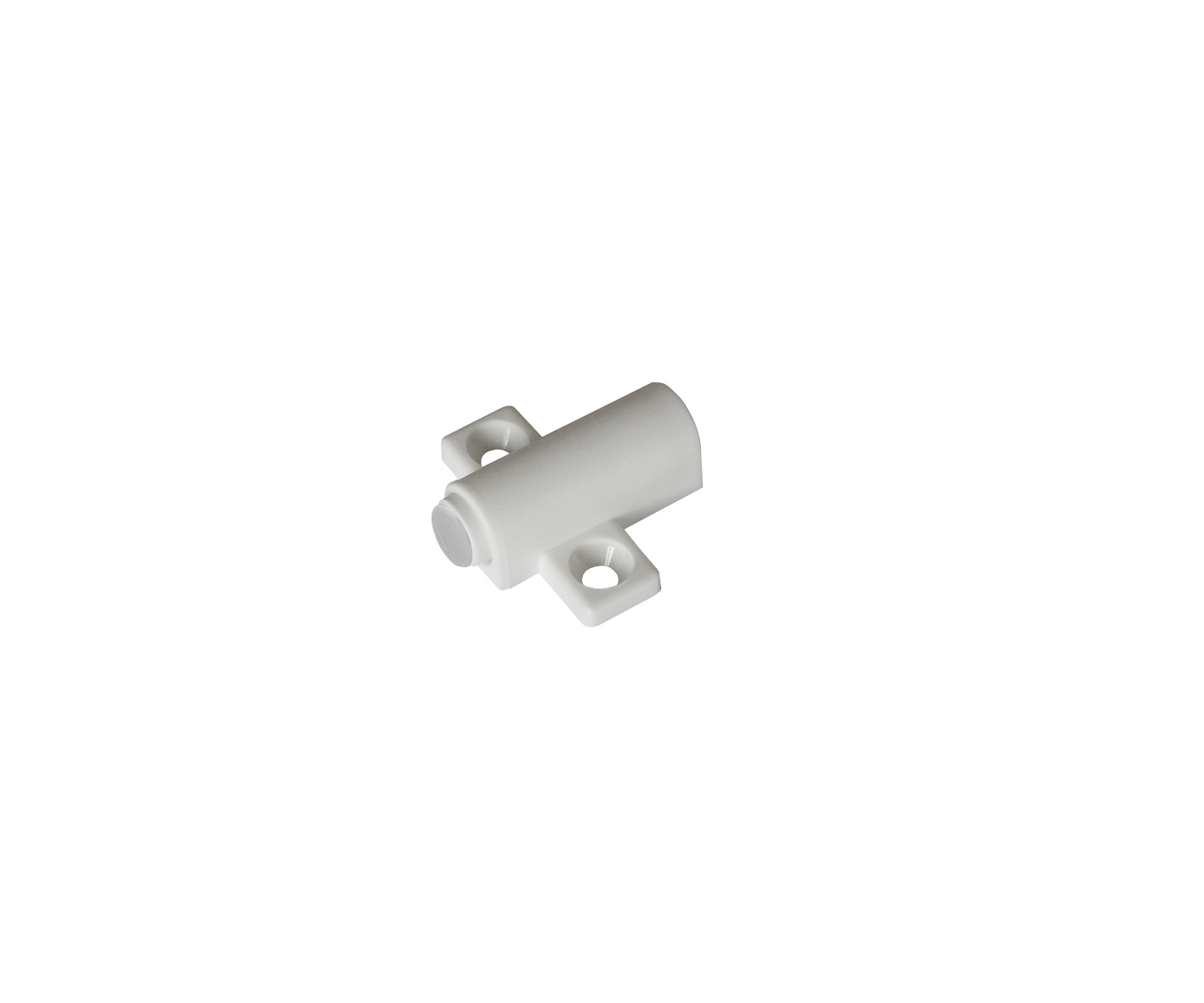
Screw-on.
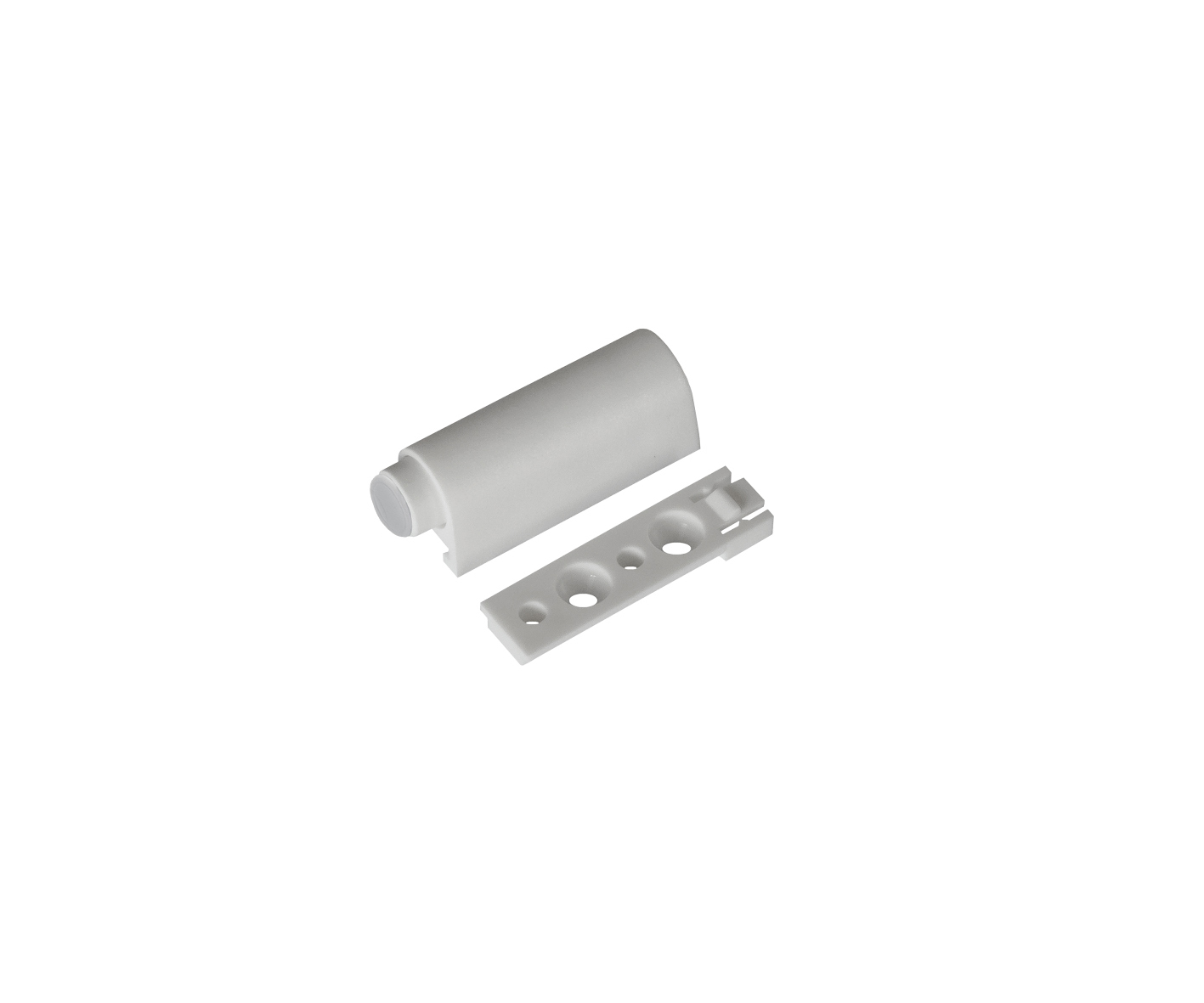
Screw-on, with concealed fixing plate.
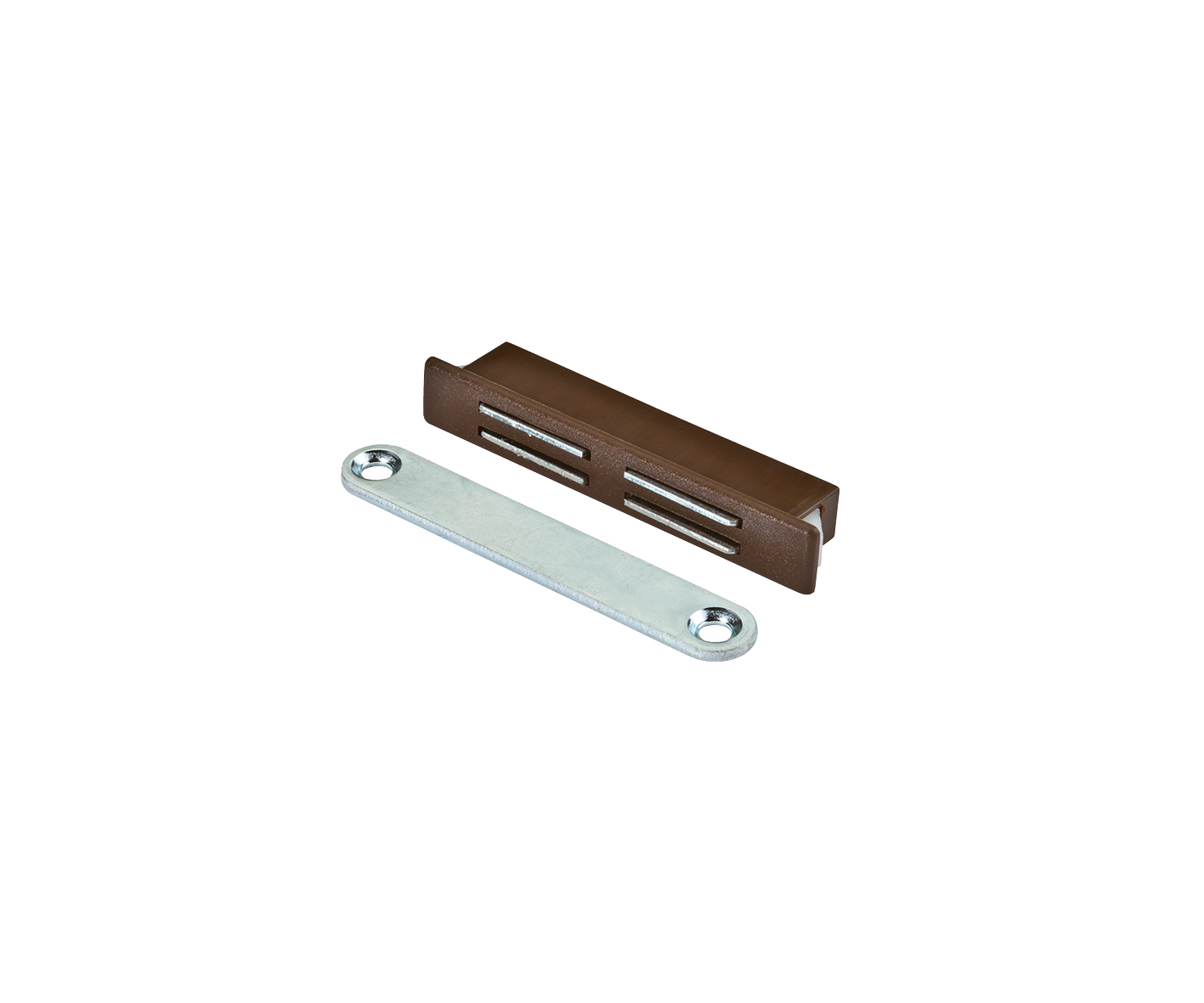
For sliding doors.
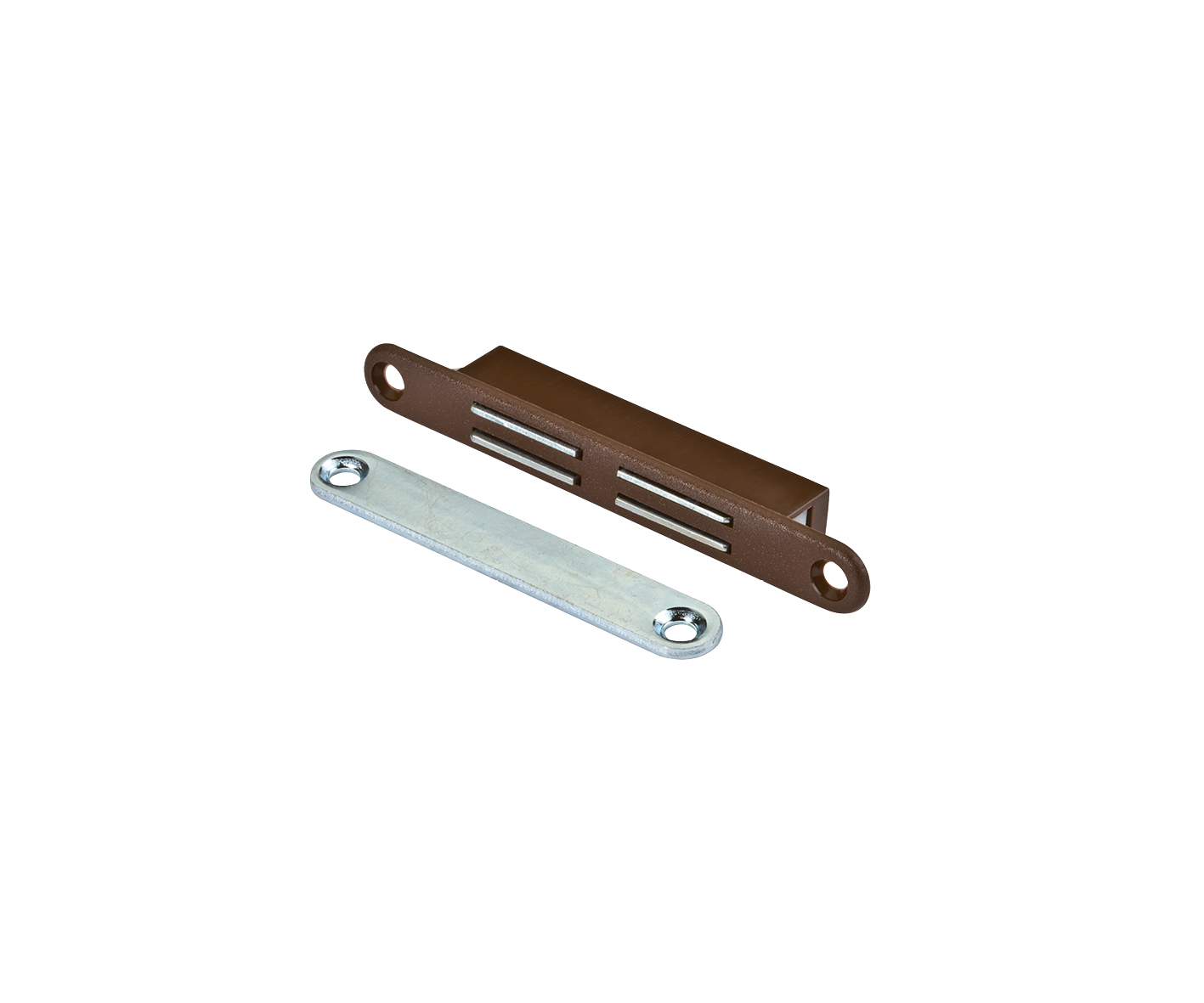
For sliding doors.
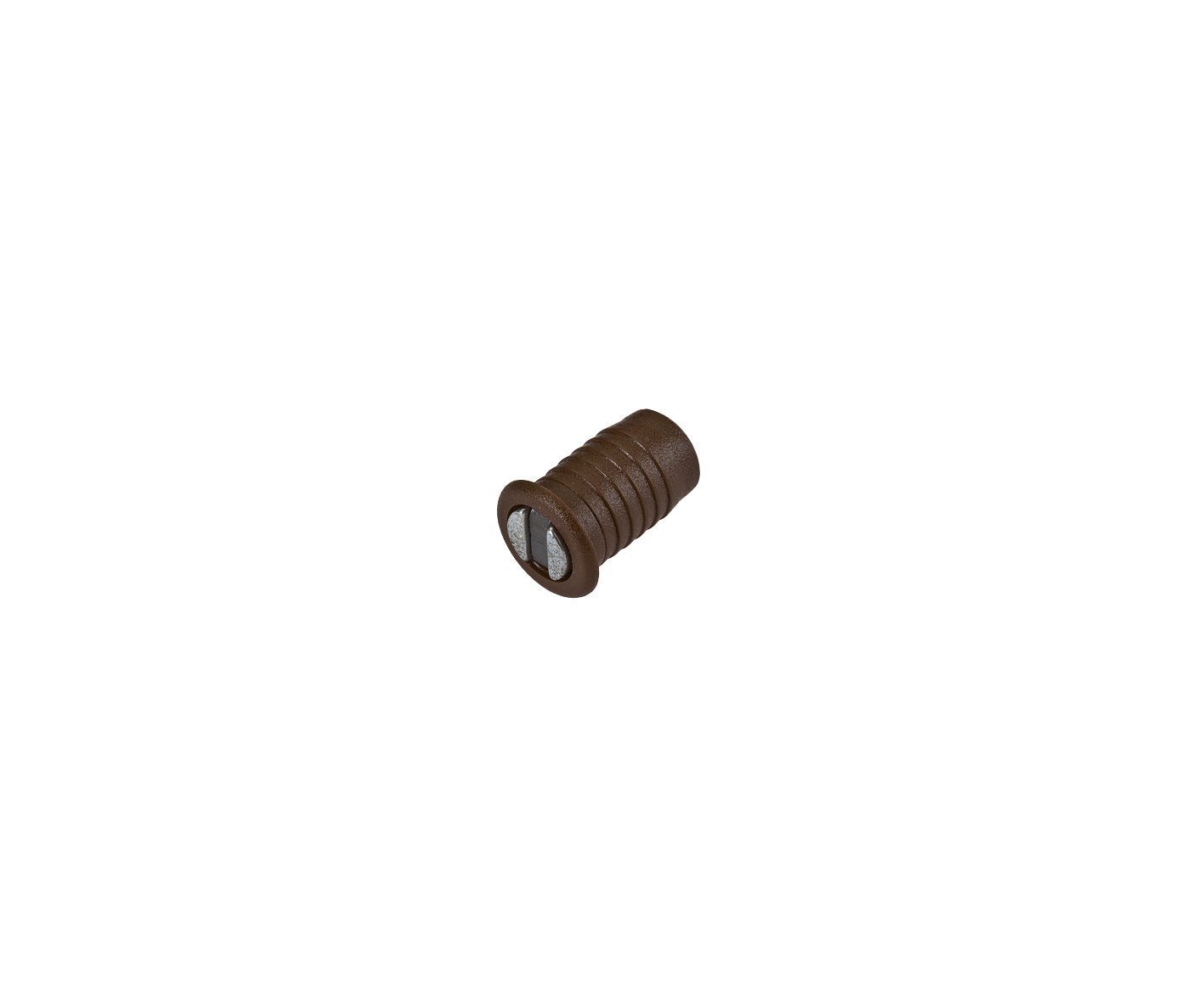
Ø mm. 8,5×14.
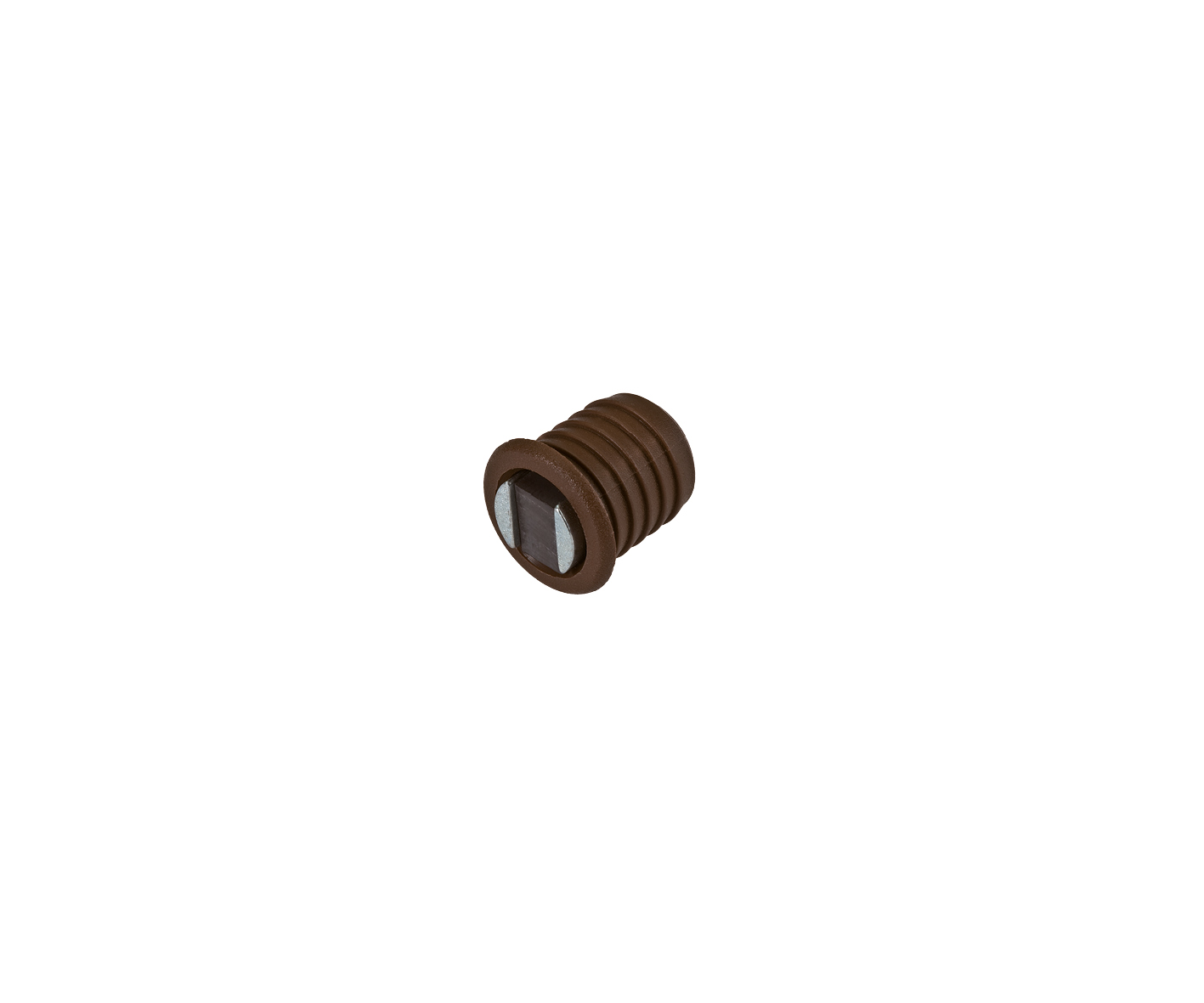
Ø mm. 12×13.
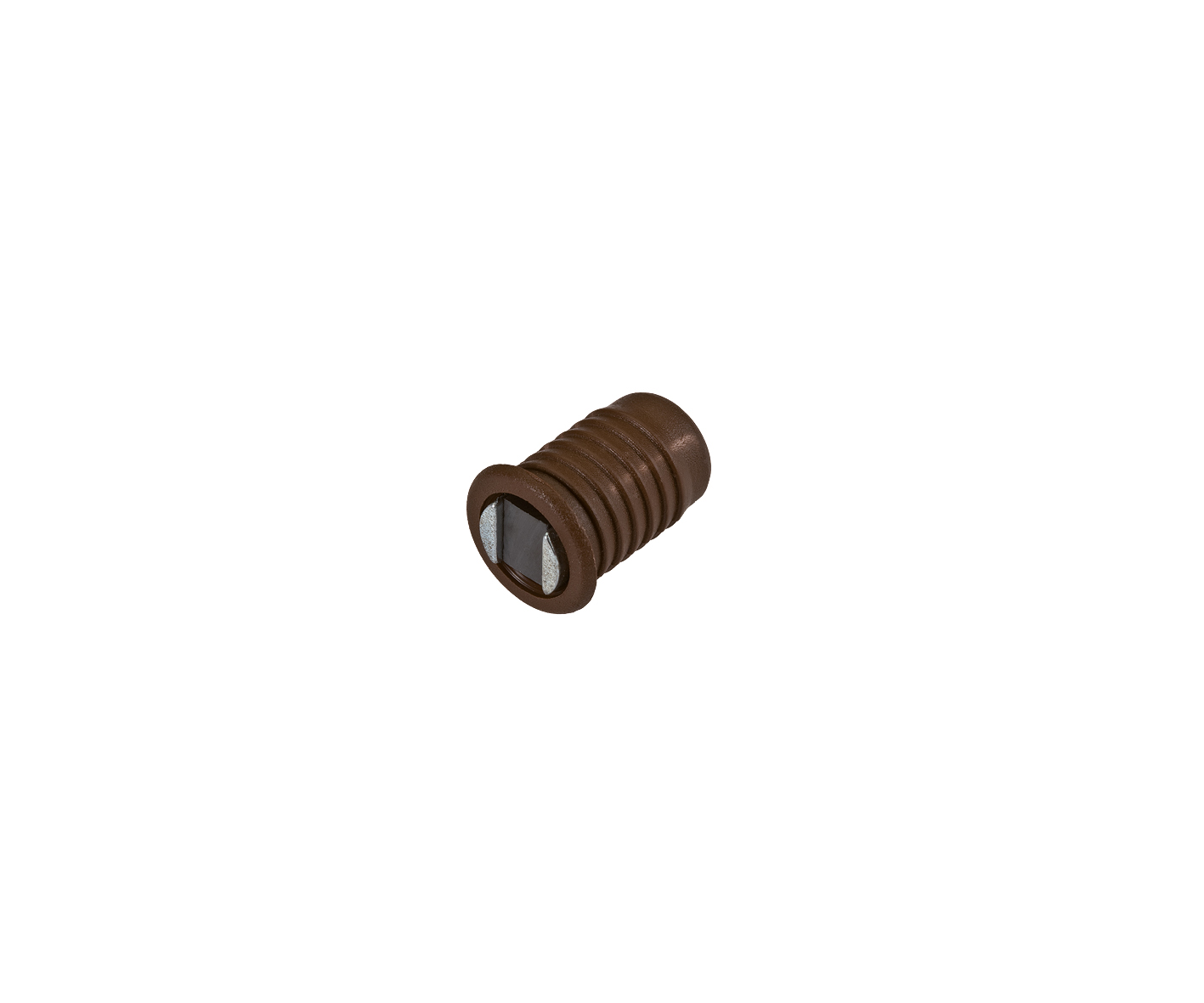
Ø mm. 12×17.
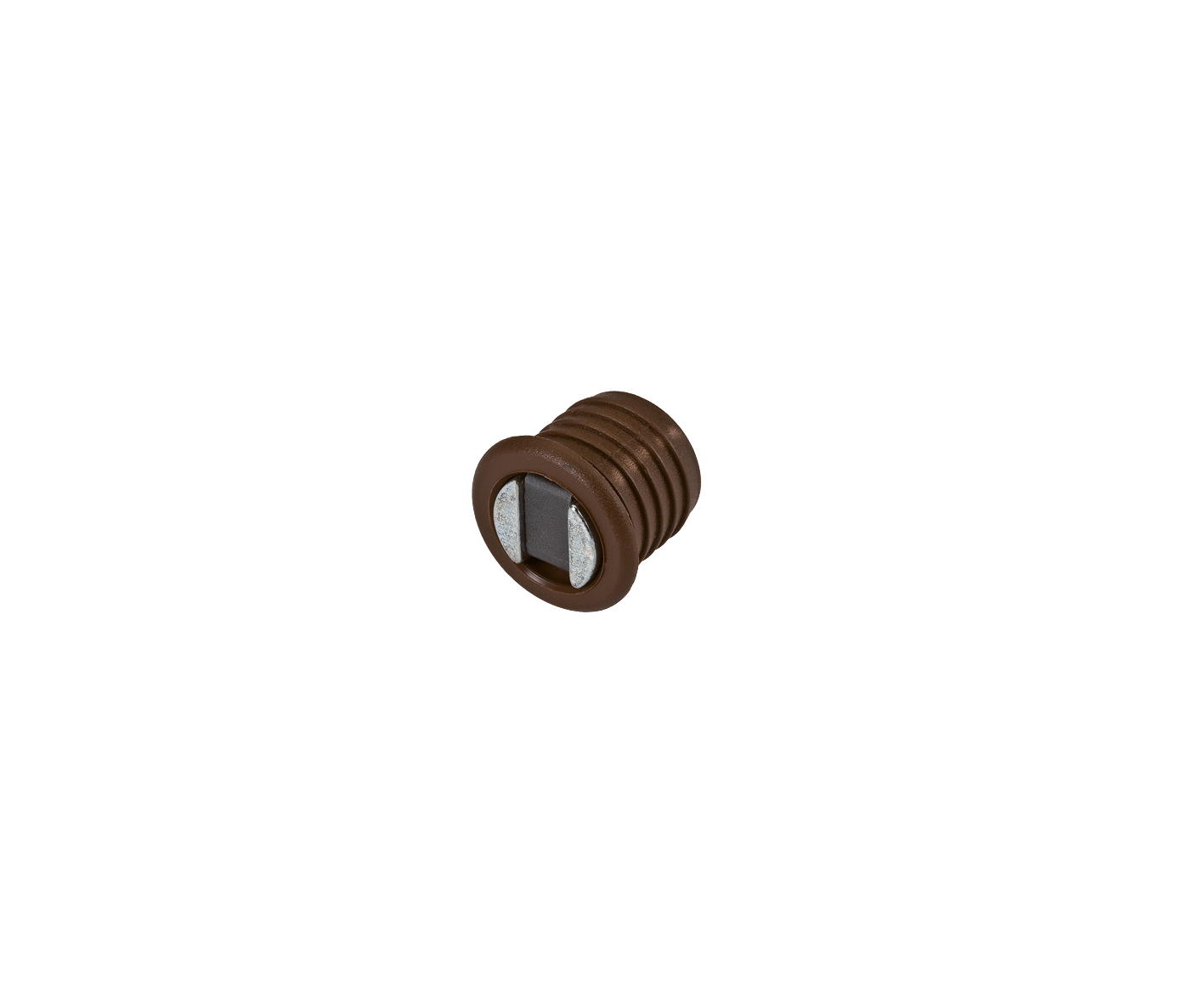
Ø mm. 14×13.
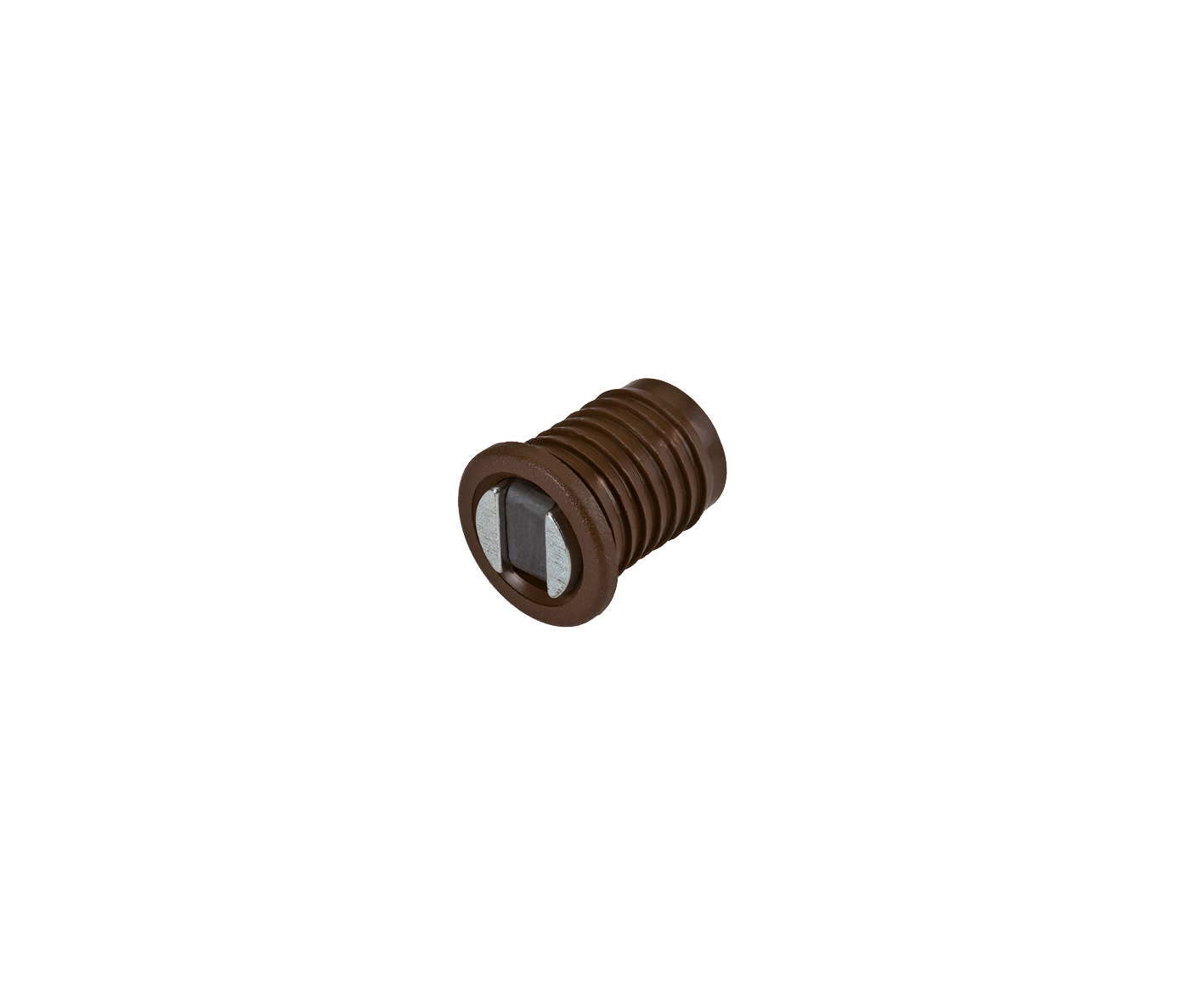
Ø mm. 14×17.
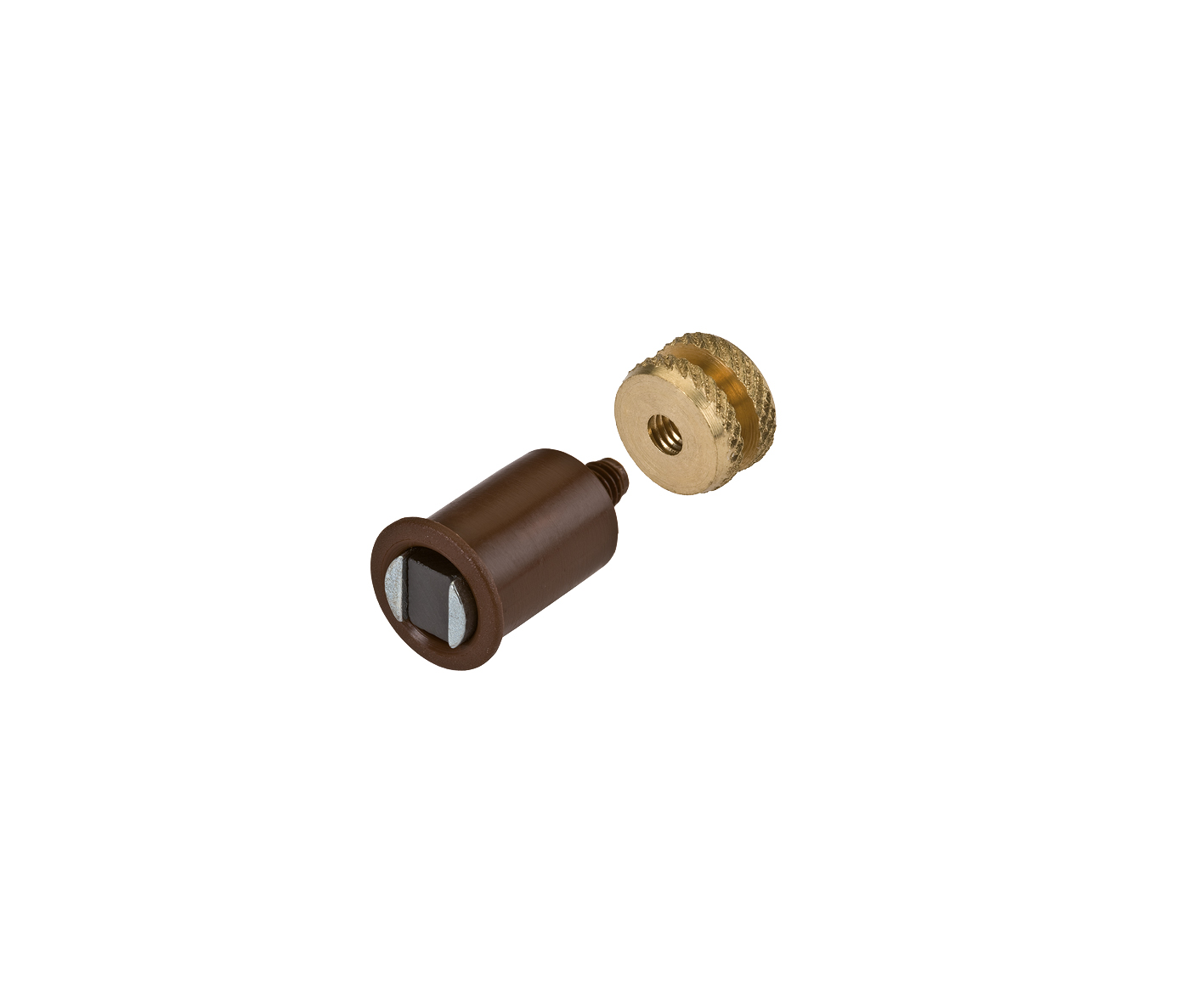
With brass washer Ø mm. 13×8.
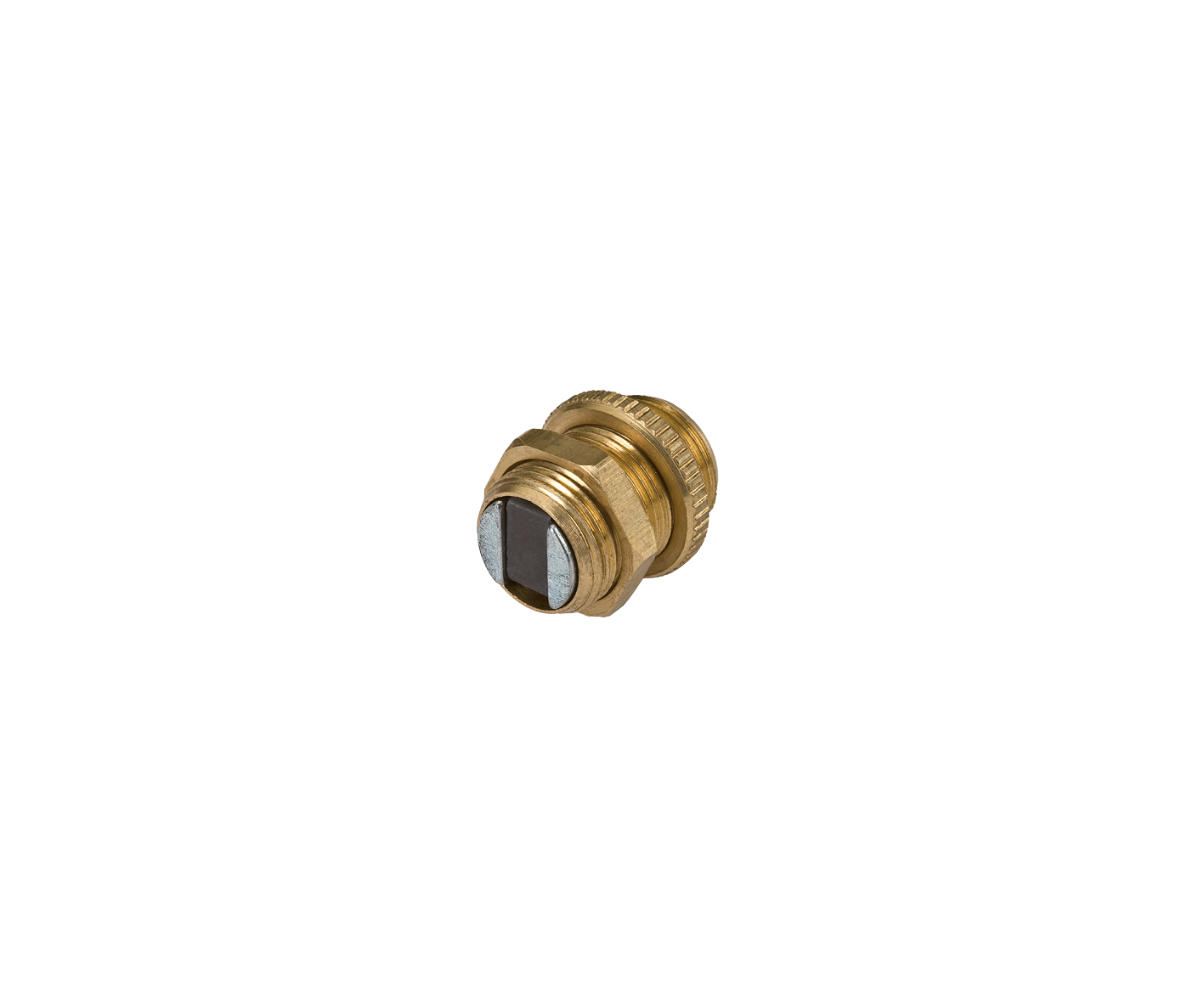
With two washers: hexagonal and knurled.
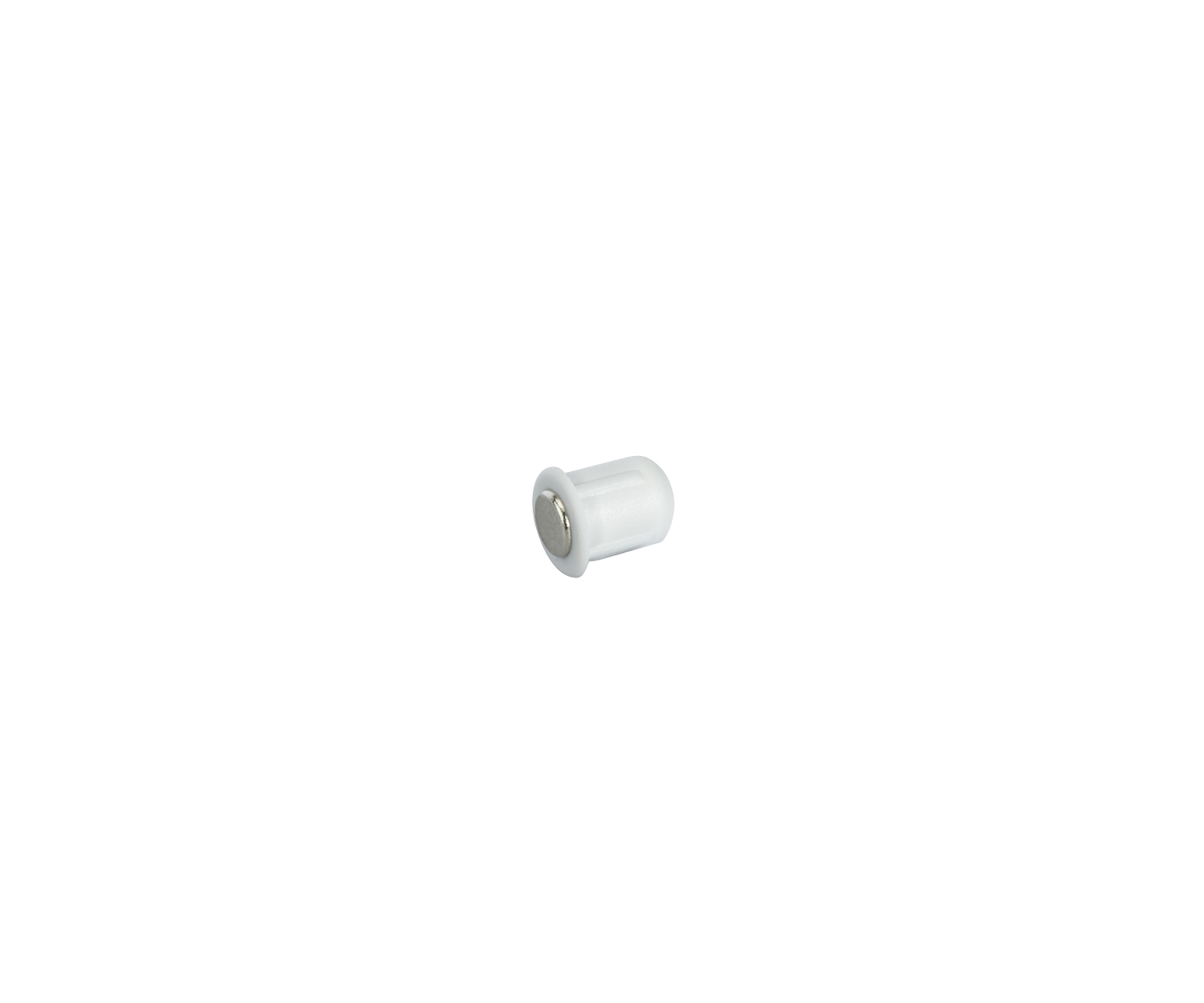
Ø mm. 8×9.
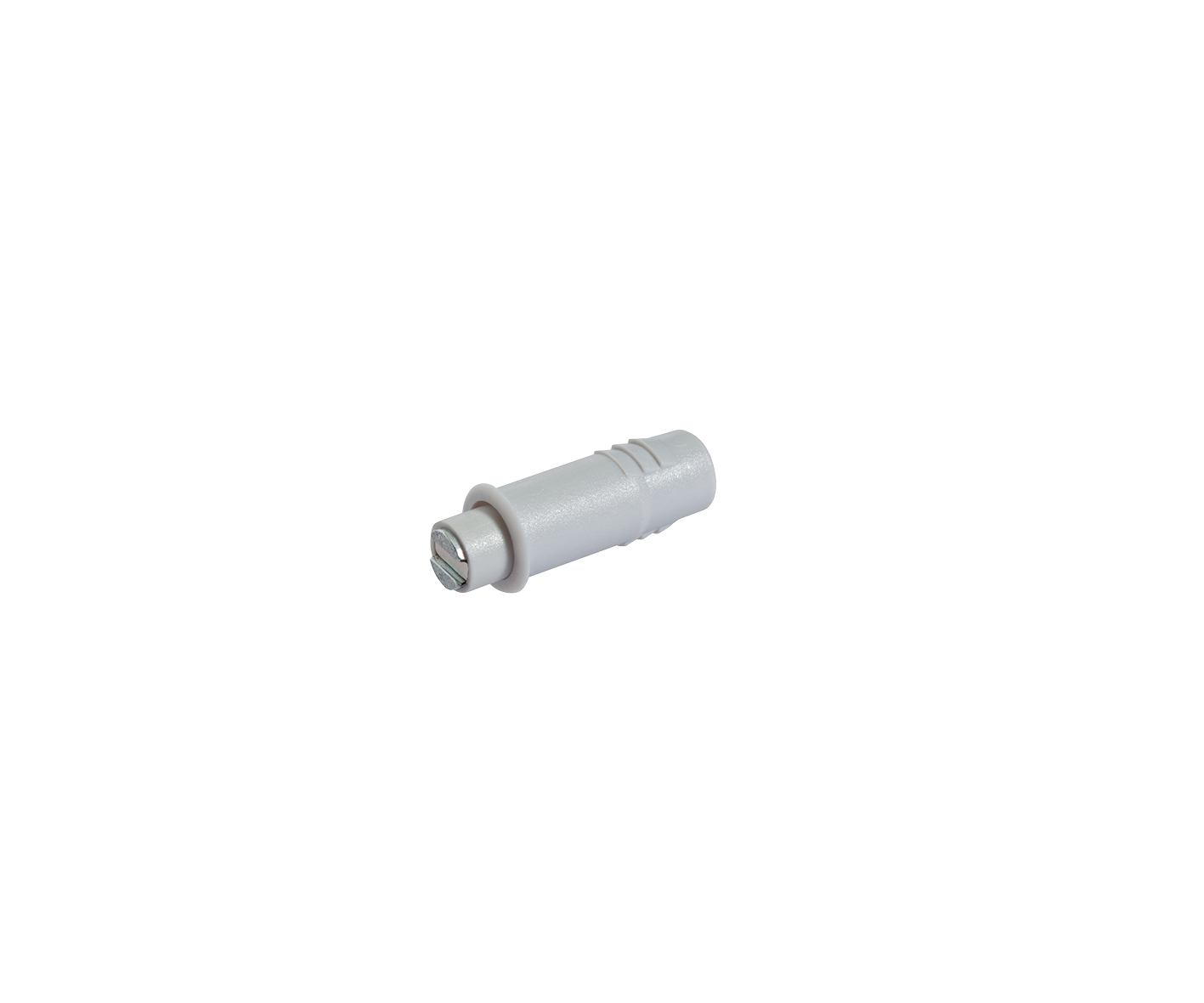
Ø mm. 10×26.
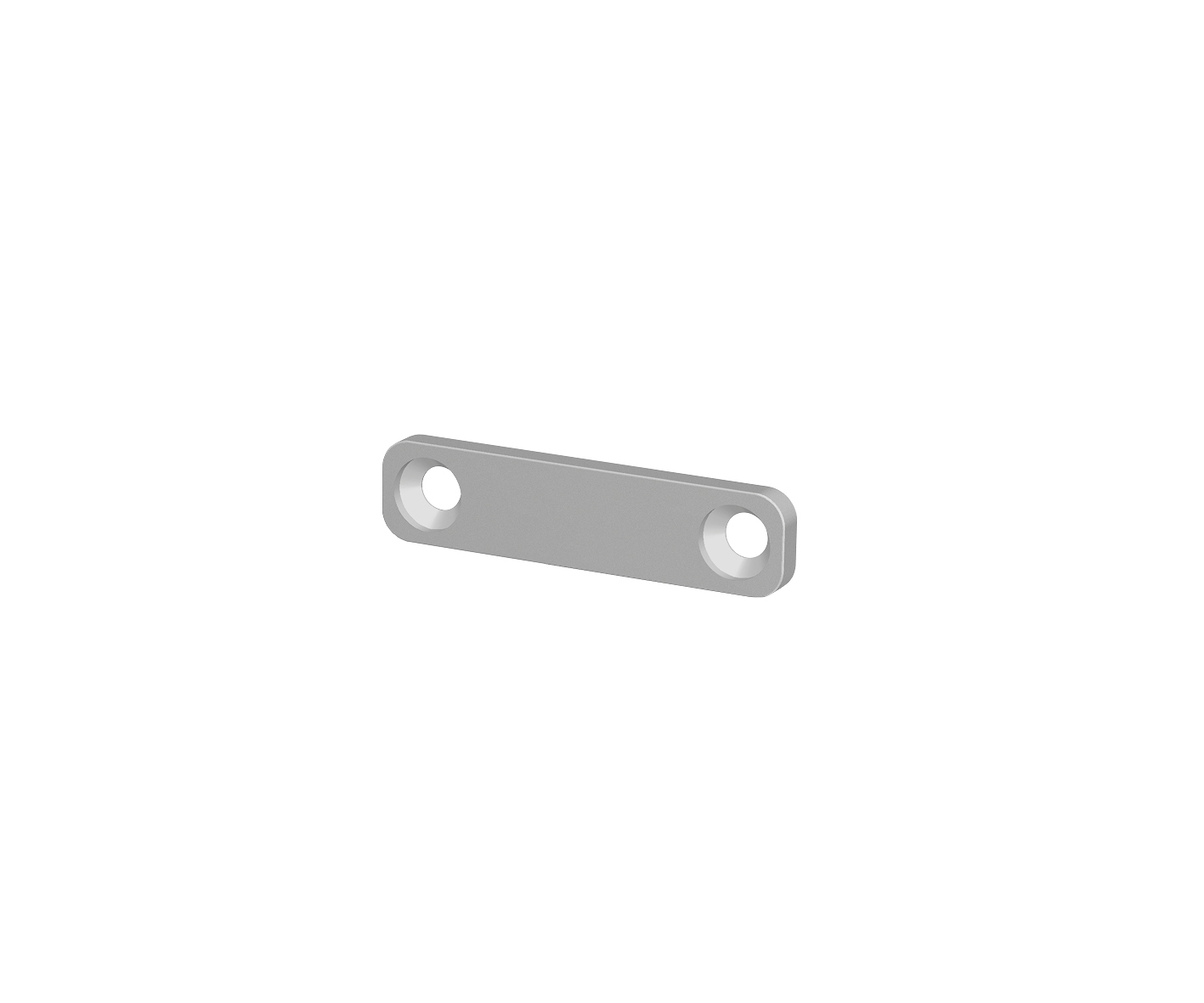
mm 42×12.
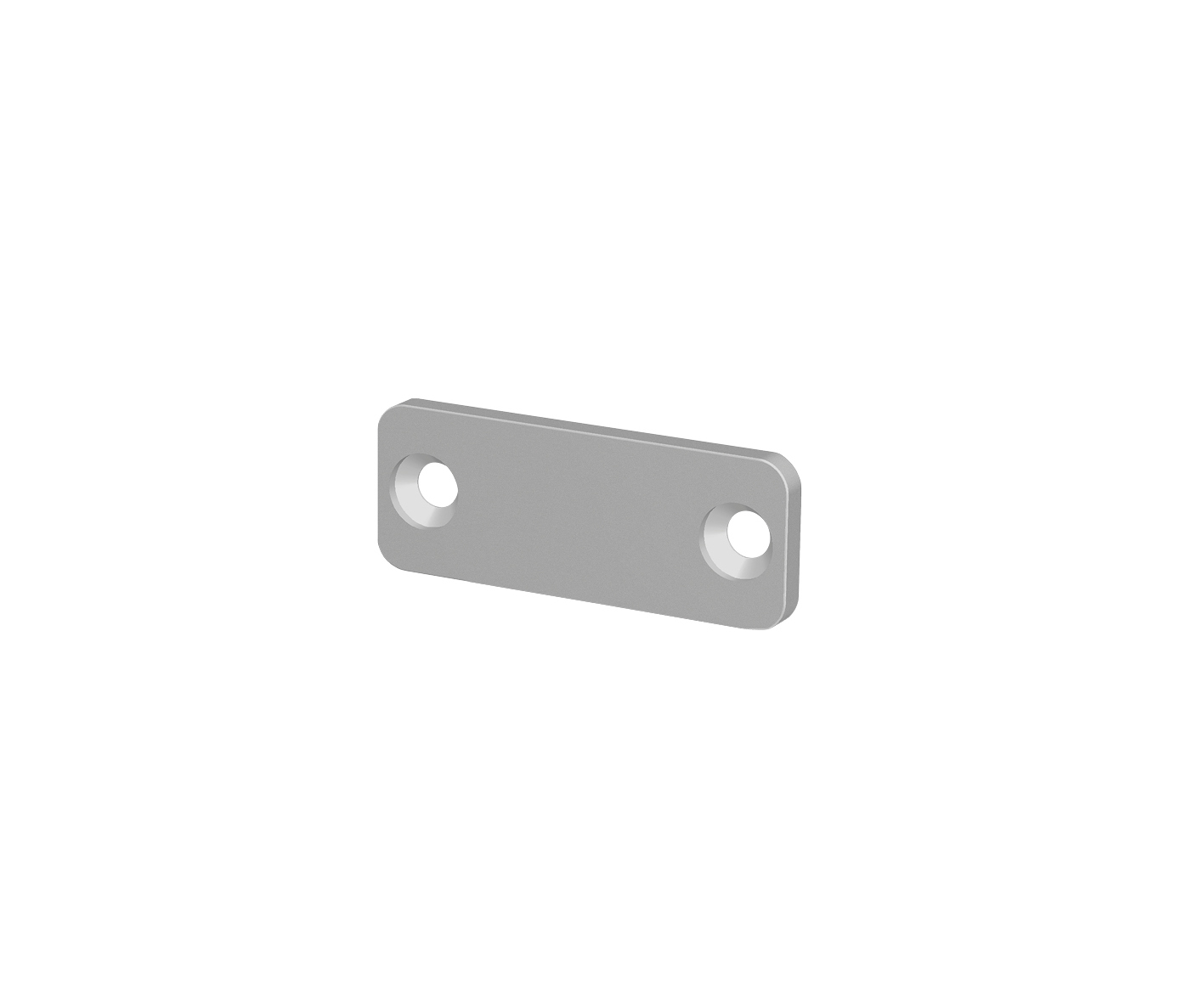
mm. 42×16.
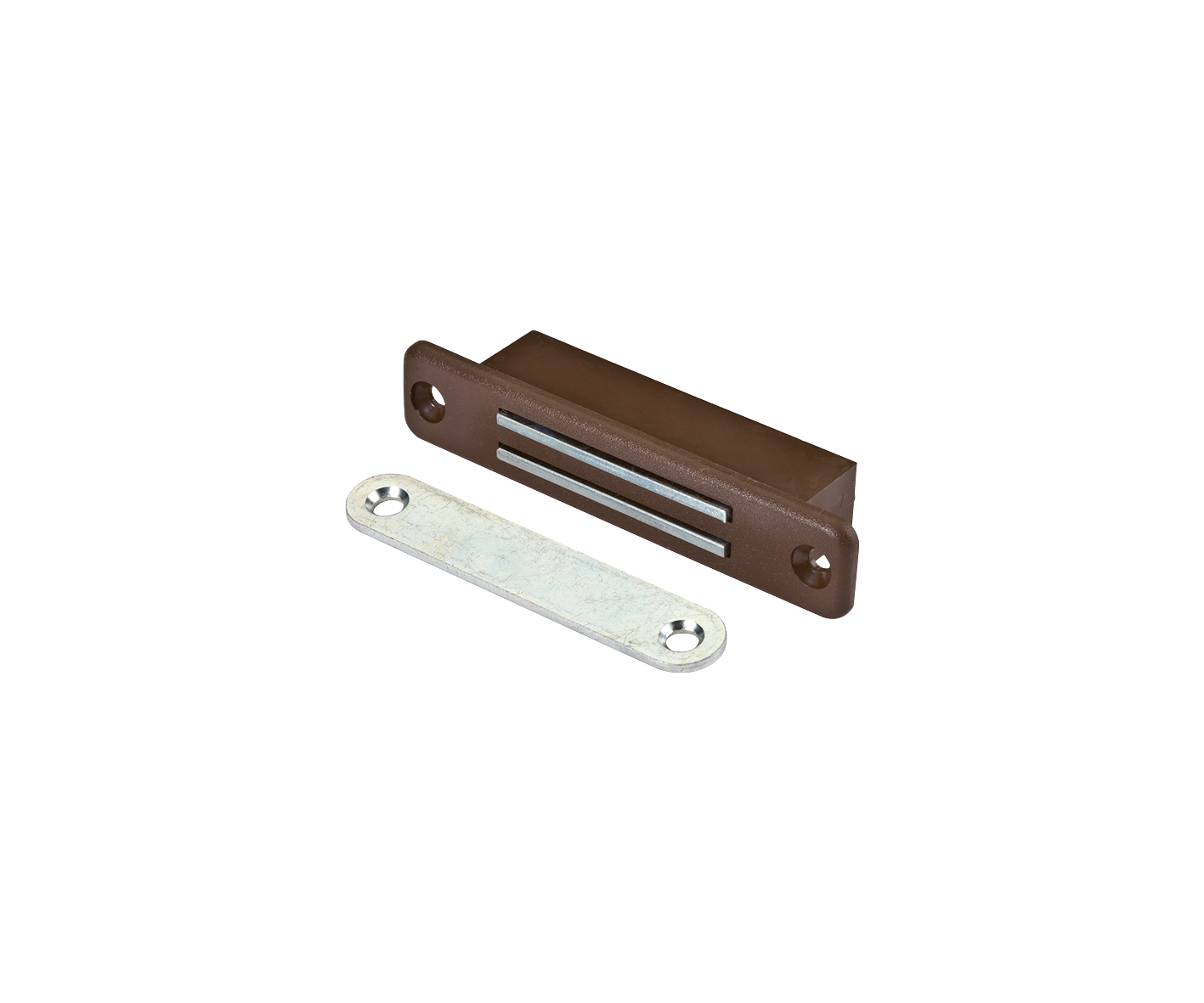
For heavy doors.
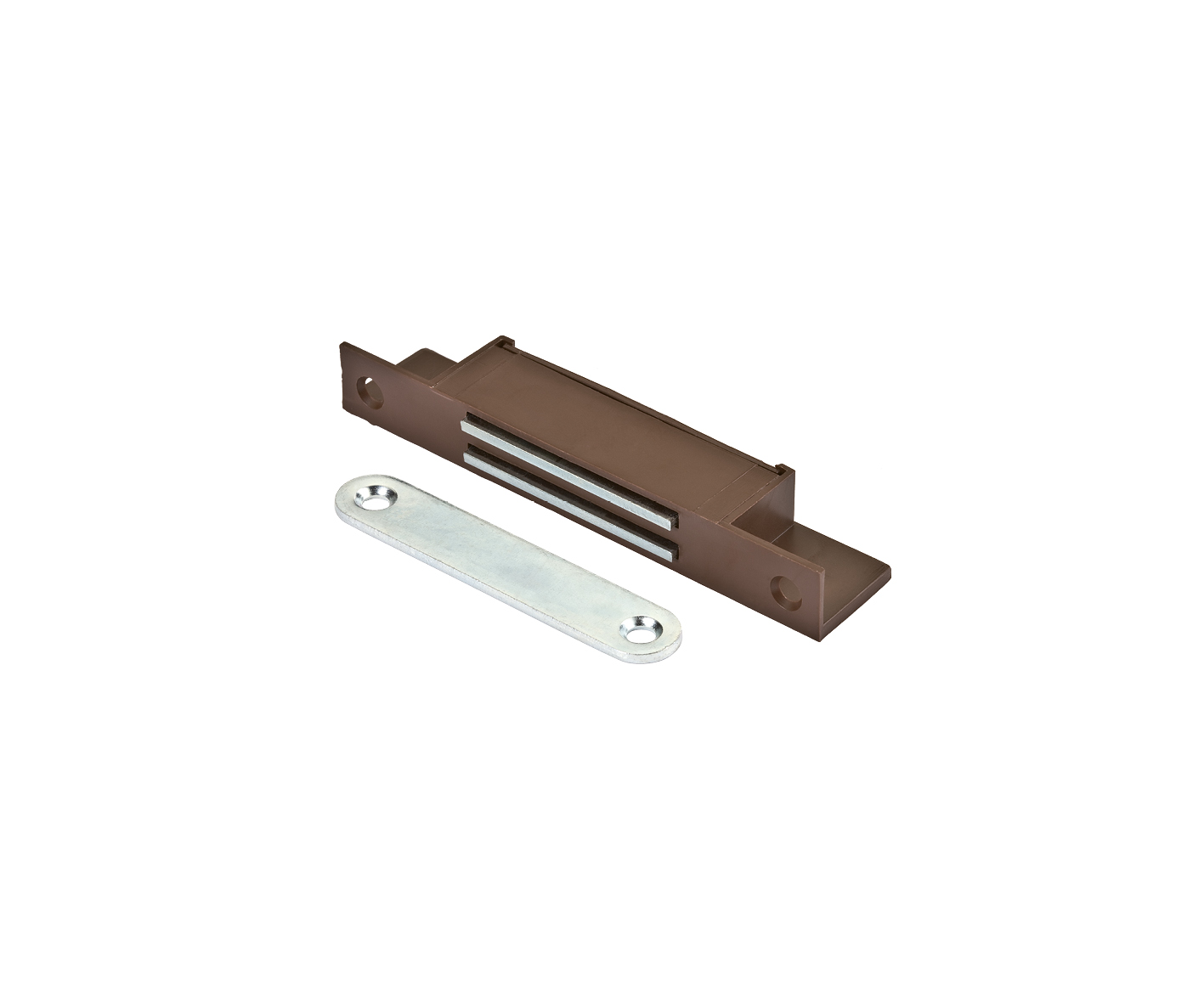
For heavy doors.
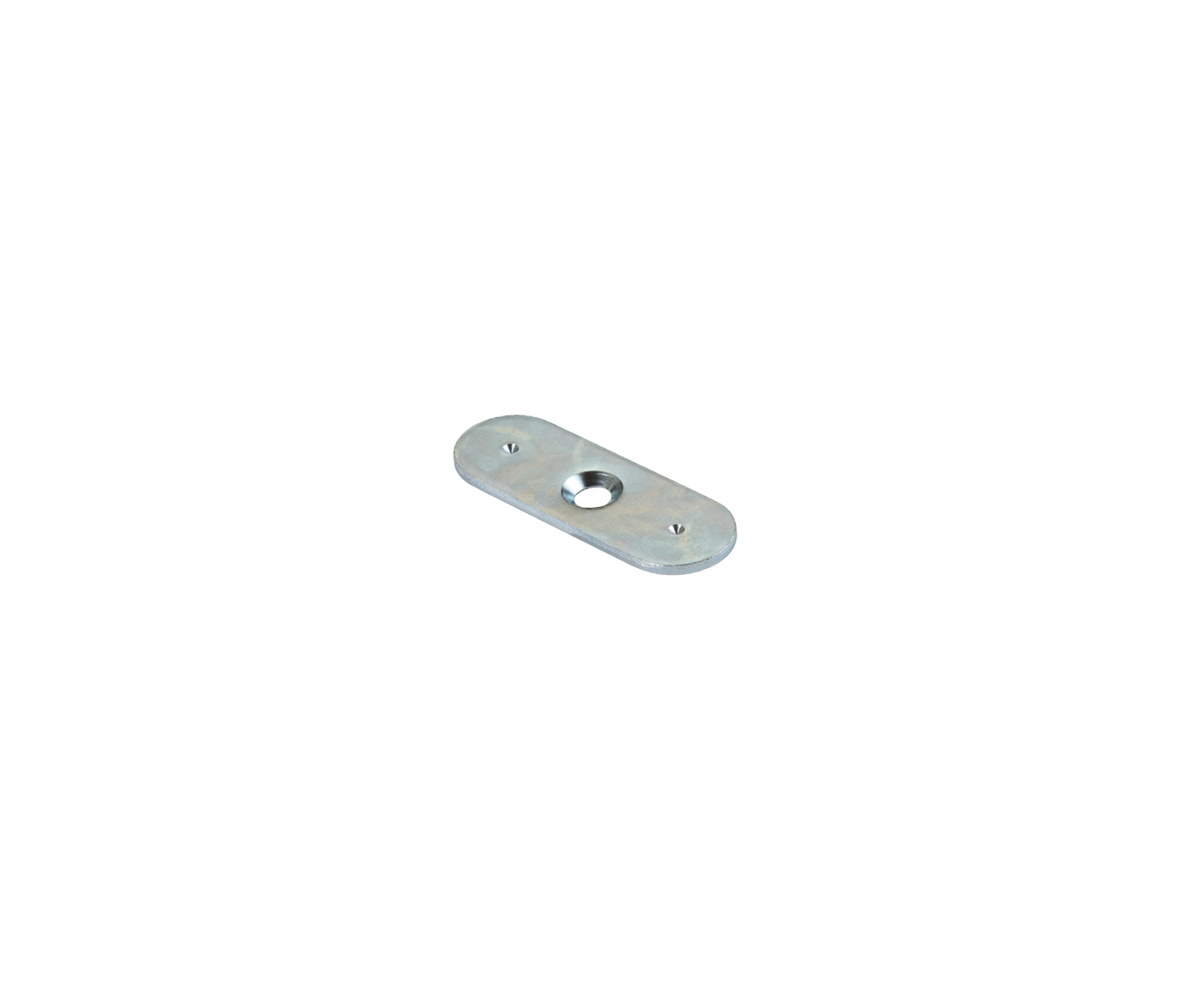
1 hole.
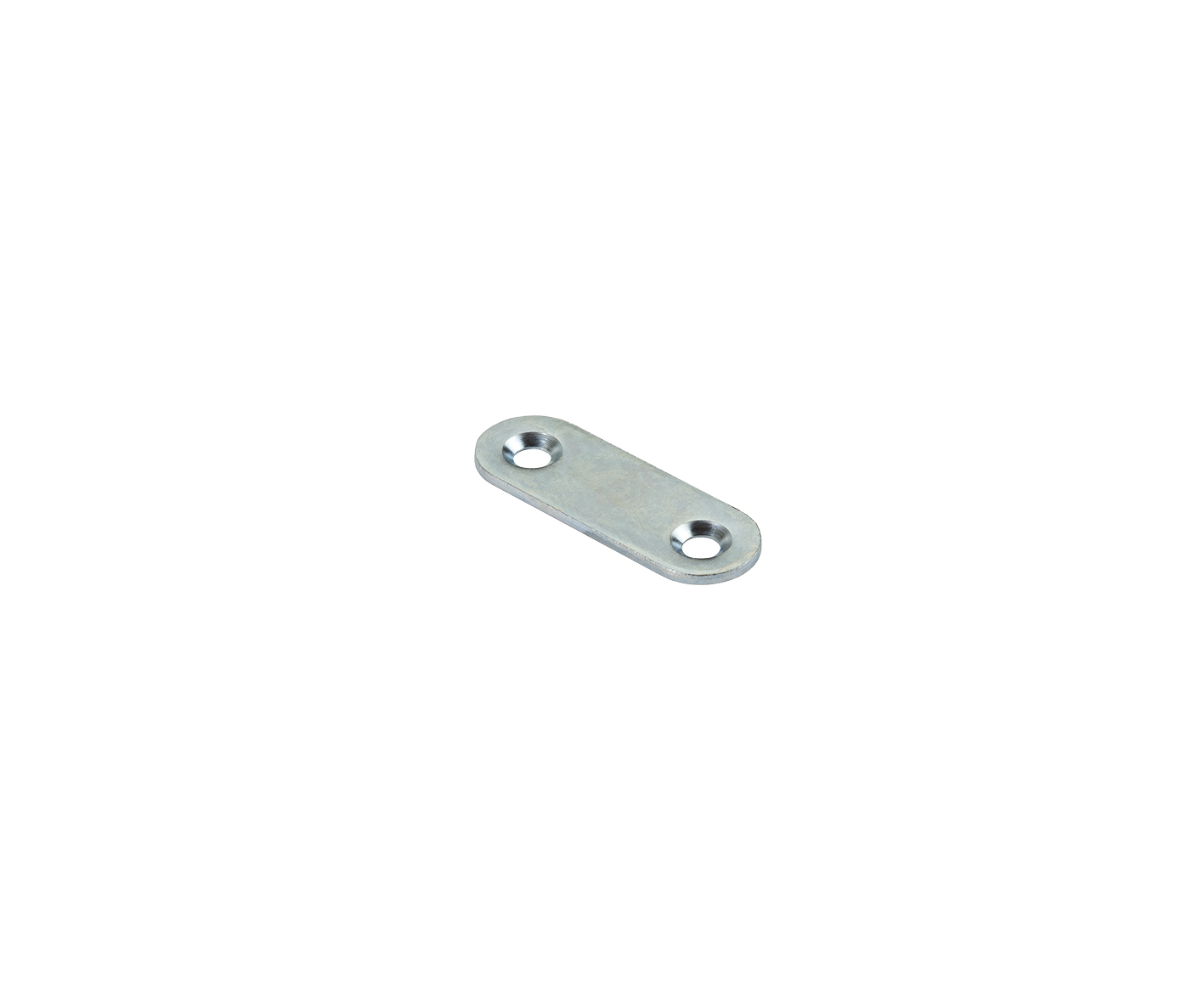
2 holes.
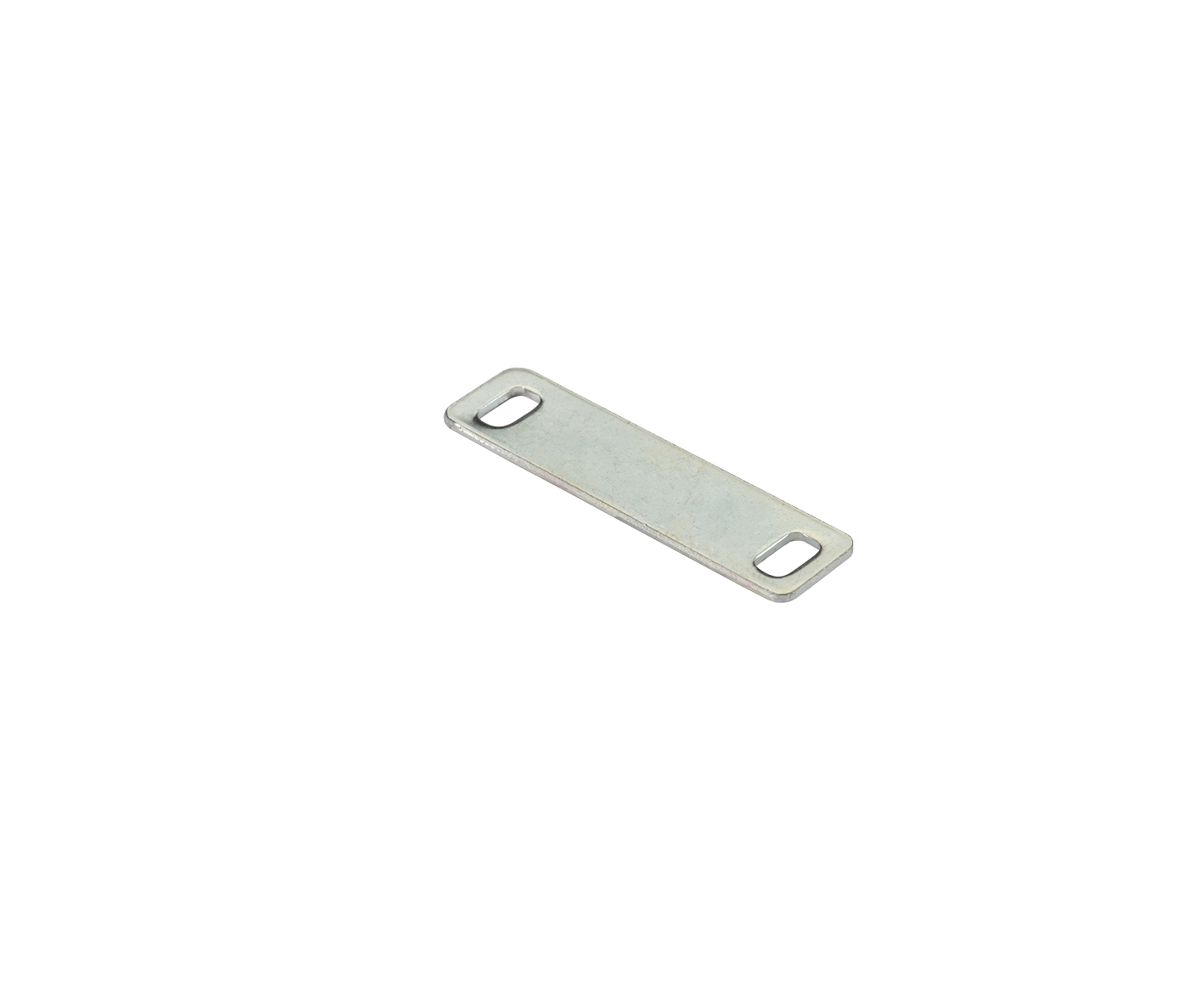
With rectangular holes.
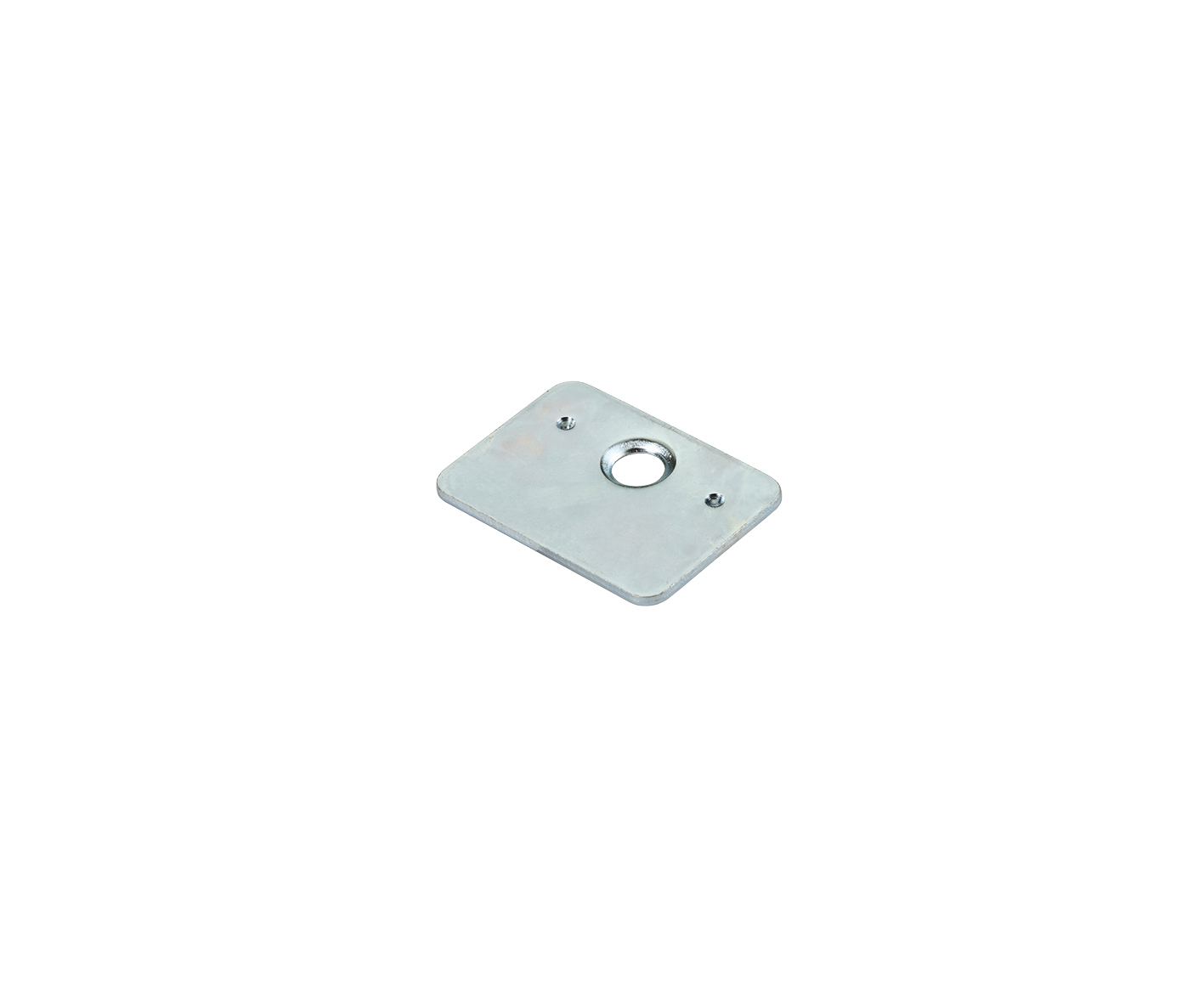
Rectangular.
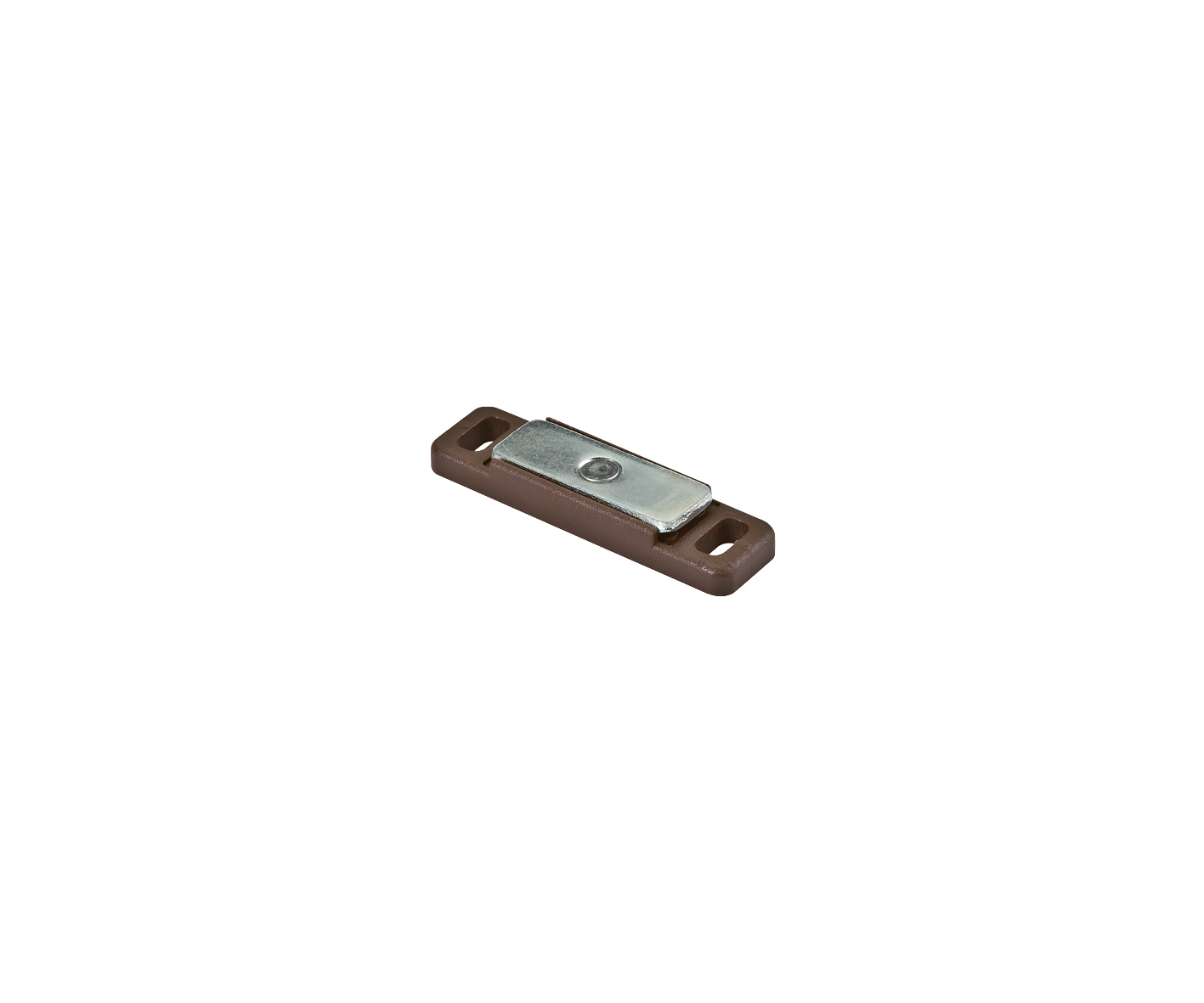
With iron floating plate.
Answers to frequently asked questions
Yes, magnetic catches are compatible with most furniture structures made of wood, MDF and metal.
Magnetic catches are mainly used with traditional hinges without spring, as these do not apply any closing force to the cabinet door. In this case, the door remains closed thanks to the magnetic catch.
They can also be combined with spring hinges, for example with drop-down doors or in applications where greater control of the cabinet door movement is required. In these cases, it is important to ensure that the holding force of the magnetic catch is suitable in order to avoid excessive resistance between the magnet and the spring.
The correct choice depends on the weight of the cabinet door and the type of furniture.
Virtually forever! A magnetic catch for furniture is mainly made of permanent magnets in ferrite or neodymium, which retain their magnetic properties for a virtually unlimited time. The only factor that can reduce their magnetic performance is exposure to very high temperatures. For this reason, it is not recommended to install a magnet near ovens, stoves, or other intense heat sources.
High humidity, impacts, and mechanical stress can affect the lifespan of the plastic or metal components of magnetic catches. However, under normal use, a magnetic catch for furniture can last as long as the furniture itself—and even longer!
No. Magnetic catches are designed to keep cabinet doors or panels closed, but they are not security devices. They do not prevent forced entry and cannot replace a lock when a secure closure is needed.
For applications requiring security, it is recommended to use locks or dedicated locking systems, which can be combined with magnetic catches to improve door alignment and stability.
A magnetic catch keeps cabinet doors or panels securely closed using the attraction between a magnet and a counterplate, ensuring stable and reliable closure. Perfect for furniture where you want doors to stay firmly shut.
A push-latch works differently: it’s a pressure-activated mechanism that lets you open cabinet doors simply by pressing them—no handles required. Ideal for sleek, handle-free furniture designs.
No! Ferrite and neodymium magnets used in furniture magnetic catches are permanent and keep their holding power for virtually forever.
The only thing that can weaken them is prolonged exposure to very high heat—think ovens, stoves, or intense heat sources—not regular summer warmth or sunlight. In extreme cases, heat can permanently reduce the magnet’s performance, but under normal home conditions, your magnetic catches will stay strong for life.
Installing a magnetic catch is quick and easy. Simply recess or screw the magnet body inside your cabinet, then attach the metal counterplate to the door—screw it, recess it, or use double-sided tape, depending on the model.
Make sure the magnet and counterplate plate are properly aligned to ensure a strong and stable closure. Some magnetic catches are adjustable, allowing fine-tuning after installation for perfect performance.
For heavier doors, double-check that the catch is compatible with your existing hinges to guarantee smooth and reliable operation.
Choosing the right magnetic strength is key to a smooth and secure closure. It mainly depends on the weight and size of your cabinet door.
Light doors: a magnetic catch with a holding force of 2–3 kg works perfectly.
Heavier or larger doors: go for 5–10 kg or more to ensure a stable and reliable hold.
Picking the right strength is essential: too weak, and the door won’t stay closed; too strong, and opening it may feel less effortless. With the right magnetic catch, your doors will close securely and open smoothly every time.
Magnetic catches for cabinets and furniture can be customized to meet the specific requirements of a project. The magnetic holding force, size, materials, and finishes can be adapted to ensure perfect integration with the furniture and the required performance.
This flexibility allows manufacturers to develop tailor-made magnetic catch solutions for both large-scale industrial production and special furniture projects.
No. Cabinet magnetic catches are generally not noisy. The sound produced when closing a door is similar to that of a normal cabinet door and usually does not depend on the magnet itself, but on how firmly the door or panel is closed.
For those looking for an even quieter solution, MACO also offers recessed magnetic catches with a plastic cover, designed to significantly reduce closing noise.
Choosing the right magnetic catch for cabinets or furniture mainly depends on the weight of the door, the type of hinges installed, and the required holding force.
Aesthetic factors also matter. Selecting the right colour and finish helps ensure that the magnetic catch integrates perfectly with the furniture, providing both reliable performance and a clean visual result.